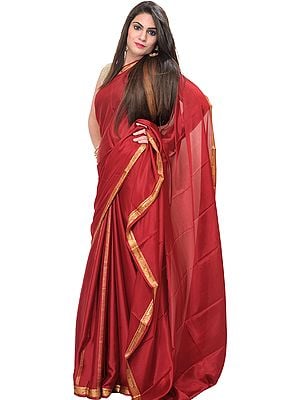
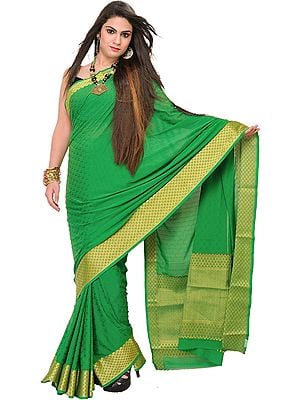
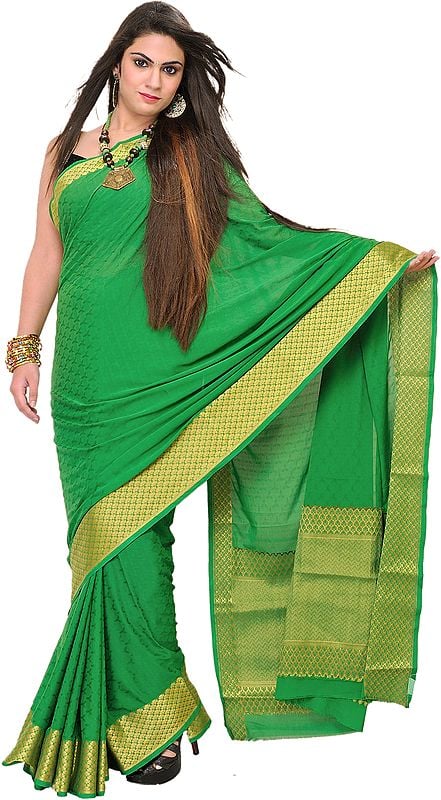
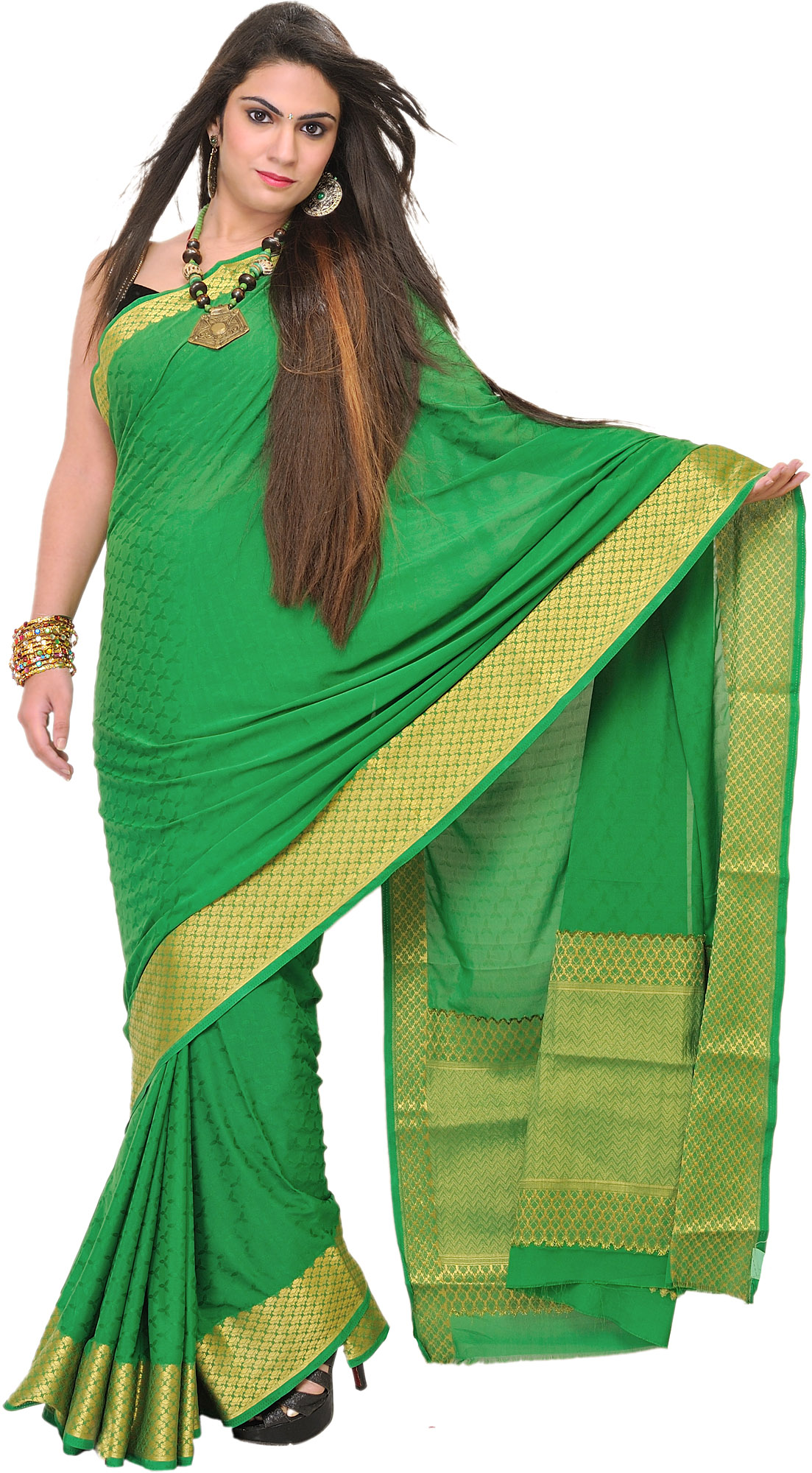
The Fern-Green Handloom Sari from Bangalore
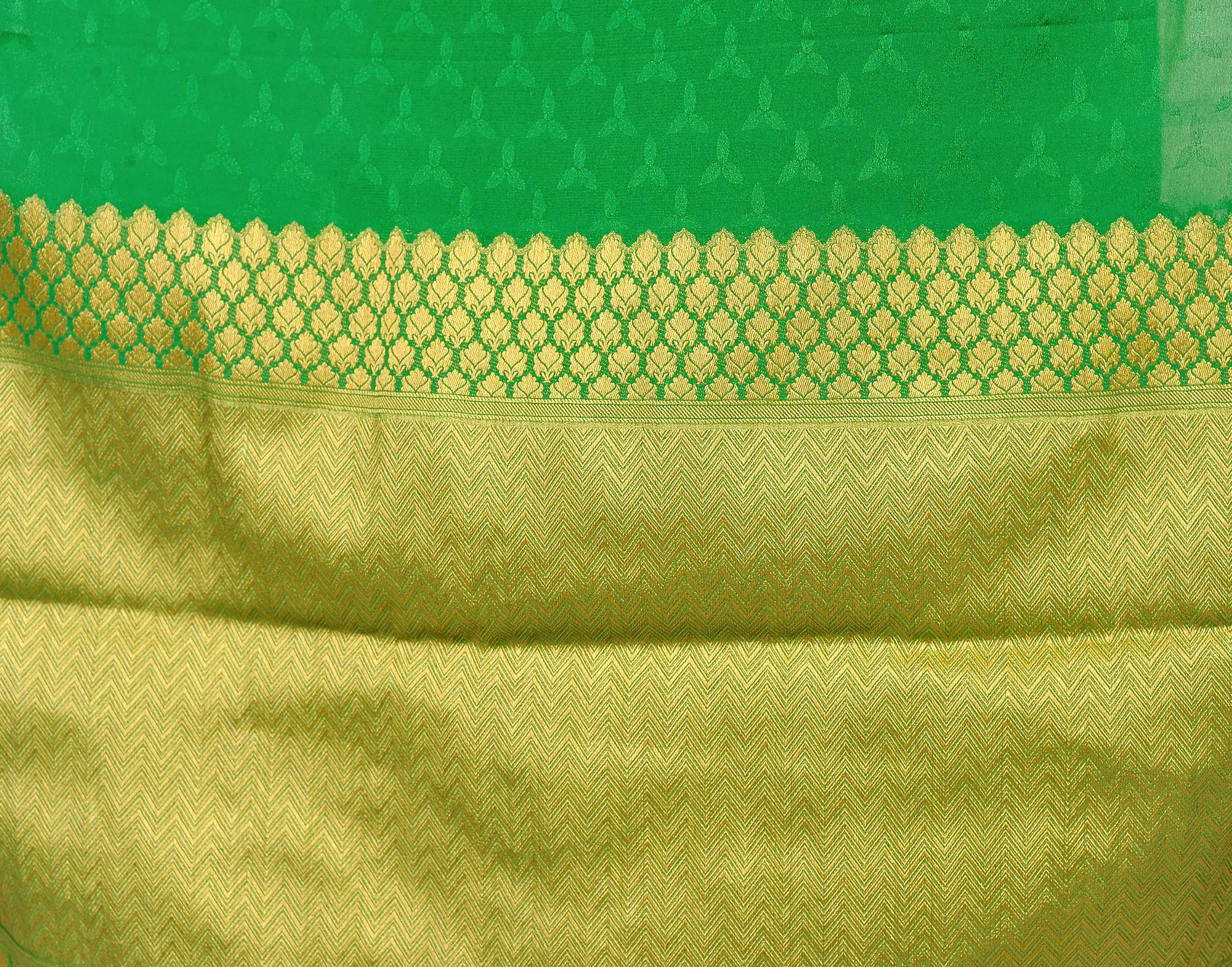
is a symbol of auspiciousness with its bright green hue. Adorned with lovely
hints of golden on the border and pallu, it radiates an air of elegance and
sophistication. Crafted from crepe silk, this saree strikes the perfect balance
between richness and affordability, catering to modern buyers seeking both
quality and style. With its self-weave and exquisite detailing, it's not just a
drape but a piece of art that captures the essence of tradition and contemporary
grace.
Timeless Elegance in Fern Green
Immerse yourself in the captivating beauty of this handloom sari, a testament to the rich textile heritage of Bangalore. Crafted from the finest pure crepe, this sari drapes with an unparalleled grace, offering a luxurious feel against the skin. The vibrant fern-green hue evokes the freshness of nature and carries an inherent sense of sophistication, making it a perfect choice for a variety of occasions, from festive gatherings to elegant evening affairs.
Intricate Self-Weave Detailing
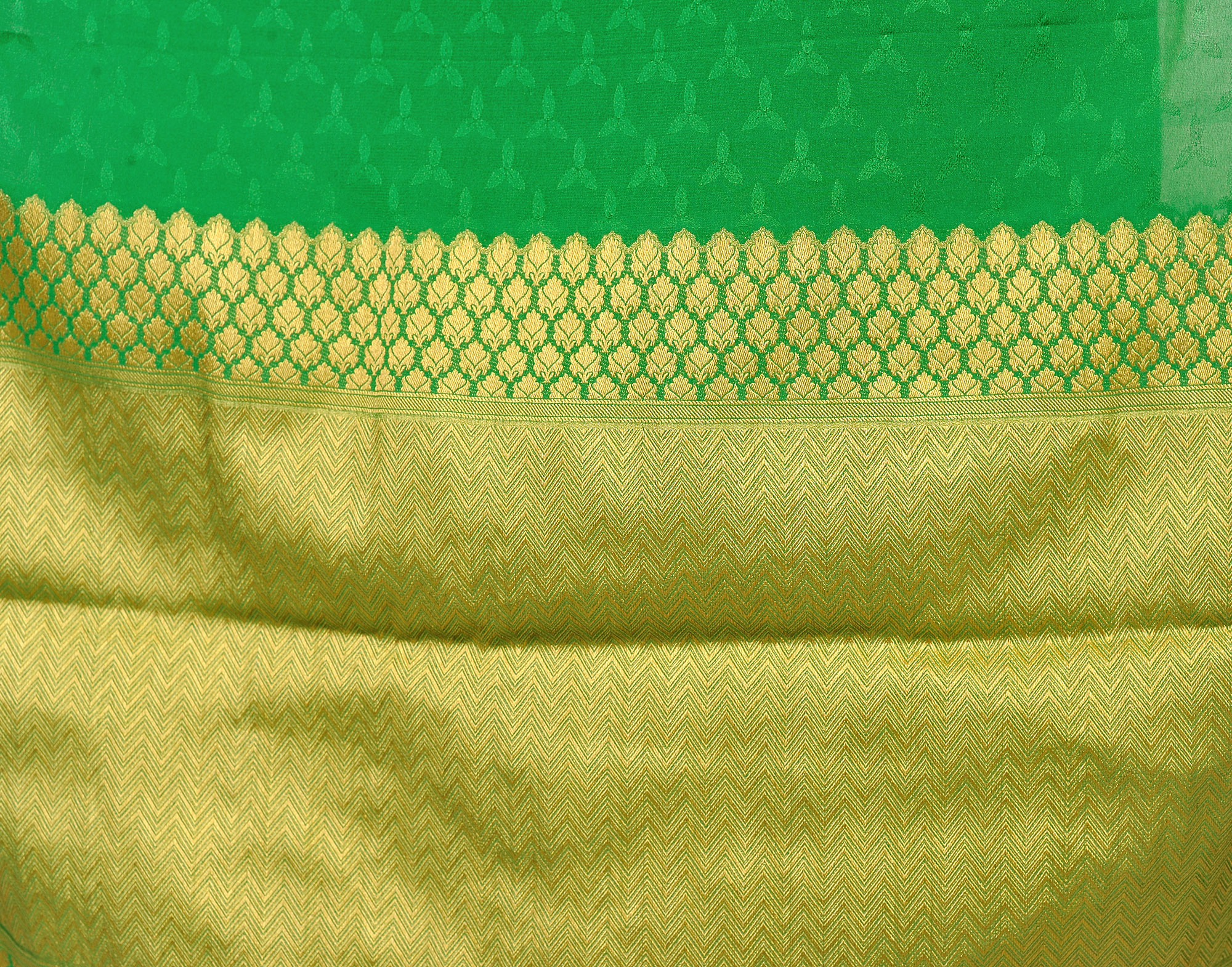
The magic of this sari lies in its subtle yet striking self-weave pattern. Expert artisans have meticulously woven a delicate, all-over design into the fabric, creating a textured visual interest that is both understated and luxurious. This intricate detailing elevates the sari beyond a simple garment, transforming it into a wearable piece of art. The pattern catches the light beautifully, adding a dynamic element to the drape and movement of the fabric.
A Glimmer of Golden Splendor
Complementing the lush green of the crepe is a resplendent golden border. This ornate border, woven with precision, frames the sari with a touch of opulence. The intricate golden motifs are a classic choice, adding a regal and traditional flair that is instantly recognizable. The contrast between the soft, matte finish of the crepe and the shimmering brilliance of the gold creates a visually arresting ensemble that is sure to turn heads. The golden border is repeated along the pallu and the lower hem, ensuring a harmonious and complete aesthetic.Versatility and Customization
Designed to be a complete ensemble, this sari comes with a matching blouse piece, allowing for personalized tailoring. The pure crepe fabric is renowned for its breathability and comfort, ensuring you feel as good as you look. Whether you prefer a classic silhouette or a contemporary design for your blouse, the fabric offers excellent drape and can be skillfully shaped to your preference. This sari is not merely an outfit; it's an experience, a celebration of tradition, and a statement of refined style. Embrace the artistry and allure of this exquisite handloom creation and let its charm enhance your natural beauty.
Handwoven Elegance: The Journey of a Kanjivaram Saree
Kanjivaram sarees are one of the most sought-after sarees among
Indian women. They have not only gained popularity in India but
across the globe in recent years/decades and are thus in high
demand even in the international fashion world. Made of the finest
quality silk, bearing intricate designs, and having vibrant
colors, Kanjivaram sarees have undoubtedly made their way to the
hearts of most women. The origin of these sarees is believed to
date back to the 7th century during the reign of the Chola
dynasty. Kanjivaram silk sarees originate from the city of
Kanchipuram, Tamil Nadu. These sarees stand out among other sarees
because of the use of vivid colors and the natural glossy shine of
pure silk. Women prefer to drape a Kanjivaram, especially on
special occasions such as weddings and festivals to look flawless
and elegant. The most common motifs found on these sarees are
peacocks, leaves, flowers, paisleys, Kalash, etc. The
characteristic feature of Kanjivaram silk sarees is the rich Zari
work on fine silk fabric. This makes them a popular choice among
women of all age groups.
Let us look at the steps involved in the making of a Kanjivaram
silk saree:
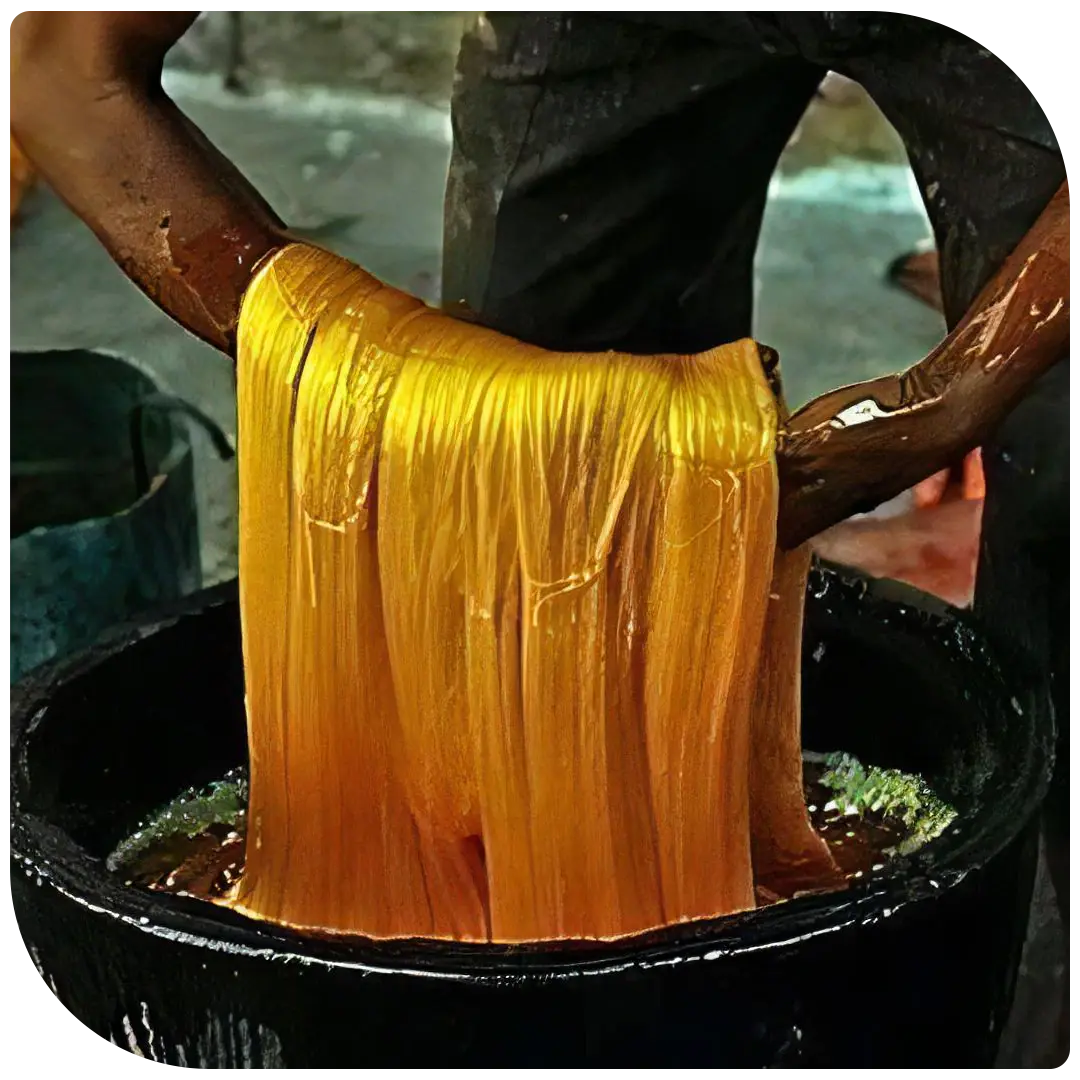
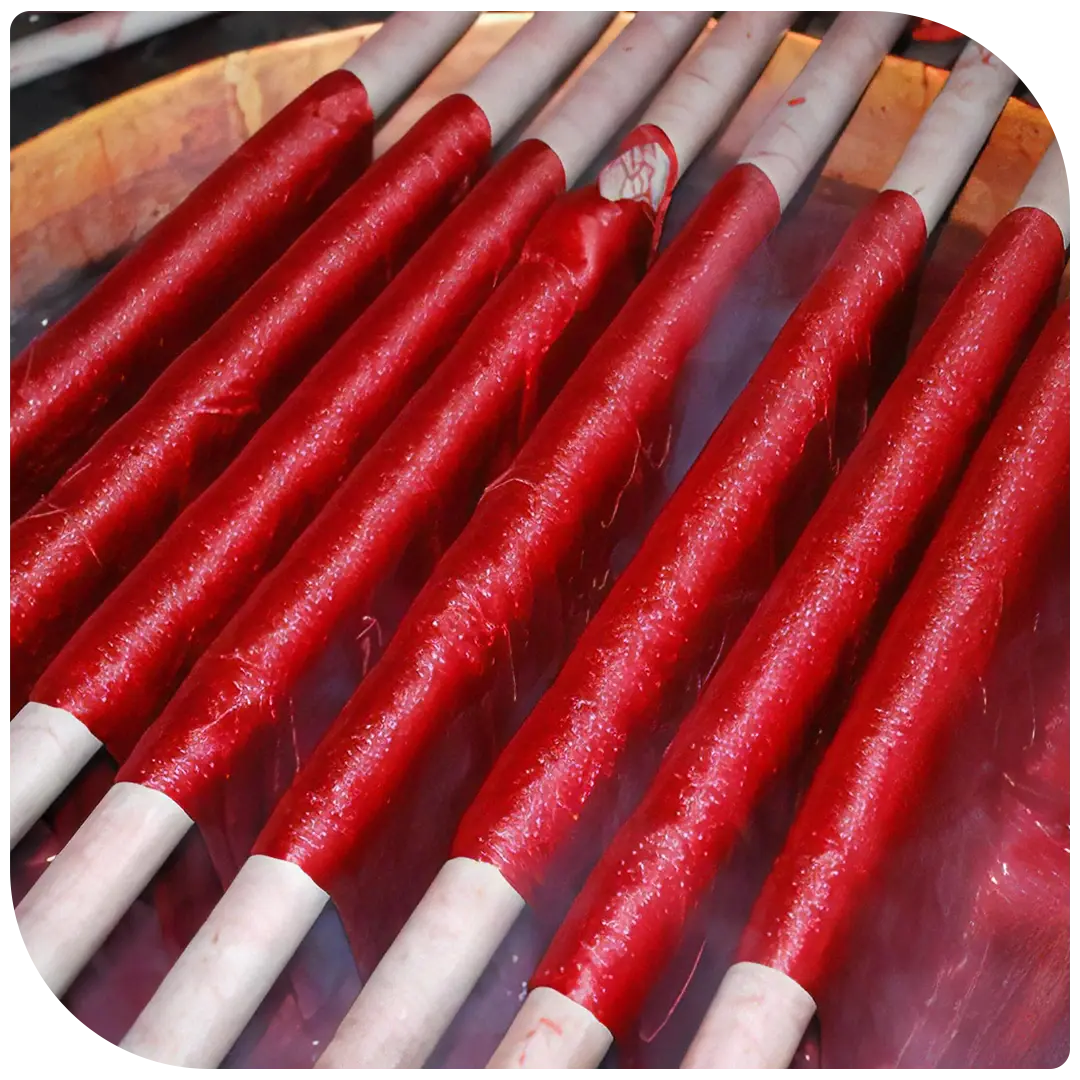
1. Finest quality silk yarn is processed and dyed
Each Kanjivaram saree is made purely with high-quality silk and
thus the first step in the making process of the saree is to
find the best silk and process it. The silk yarn is first washed
and soaked in rice water and then dried in the sun. This step is
necessary to make the yarn strong and stiff to maintain the
durability of the fabric. It is then dyed in rich hues by hand
and again sun-dried.
2. Silk yarn is woven with the Zari
Now the colored threads are intertwined with silver thread and
these resultant threads are interlocked with golden thread. The
Zari threads (gold and silver) are produced from real silver and
gold and are sourced from Gujarat.
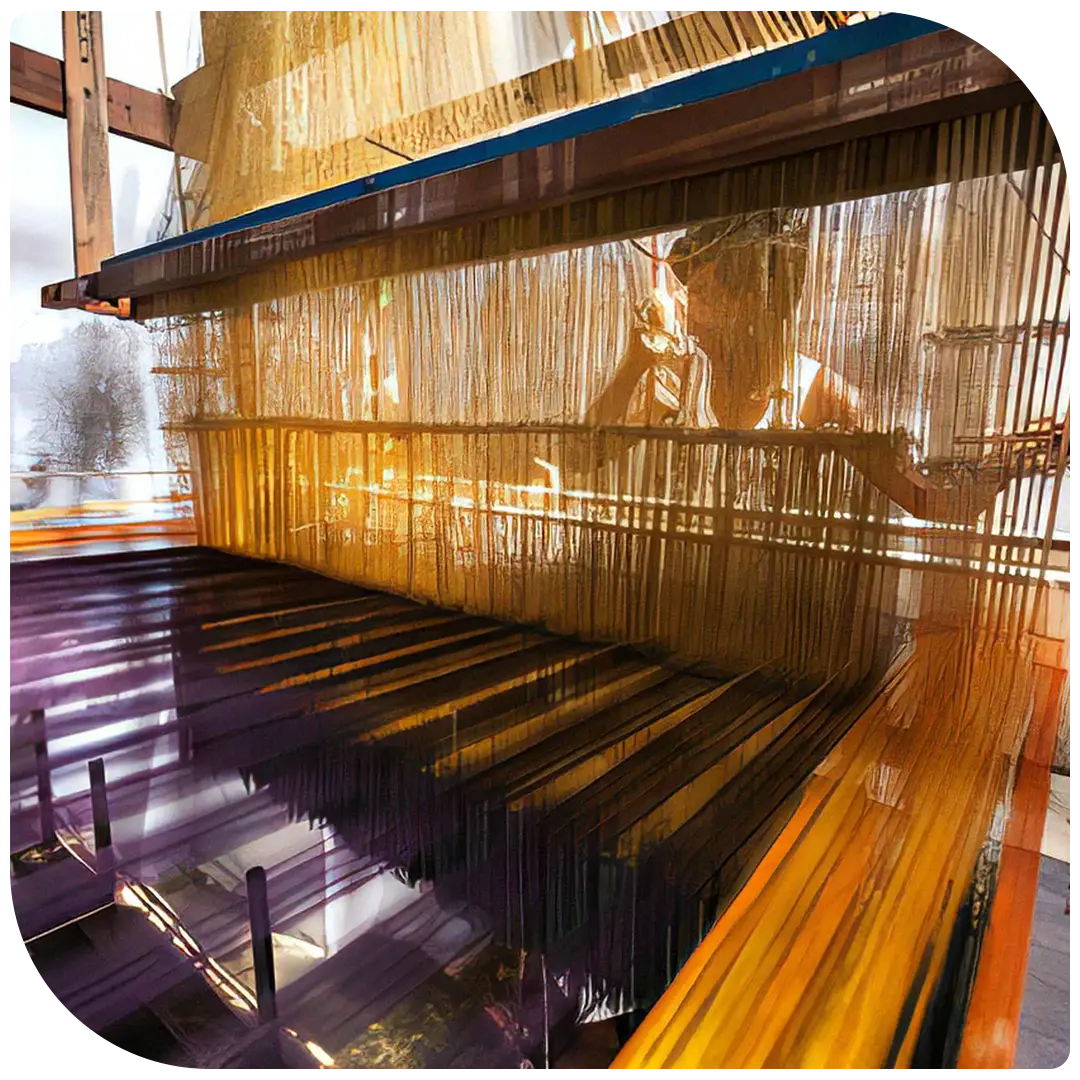
3. The process of weaving begins
Before weaving, the Zari threads and colored threads are sorted
to avoid any tangles and individual strands are put to the
weaving loom from one end to the other. Now the warp ends are
drawn and joined to the previous warp on the loom. The desired
design is fabricated or woven onto the fabric manually. This
technique has been passed down from one generation of skilled
weavers to the next.
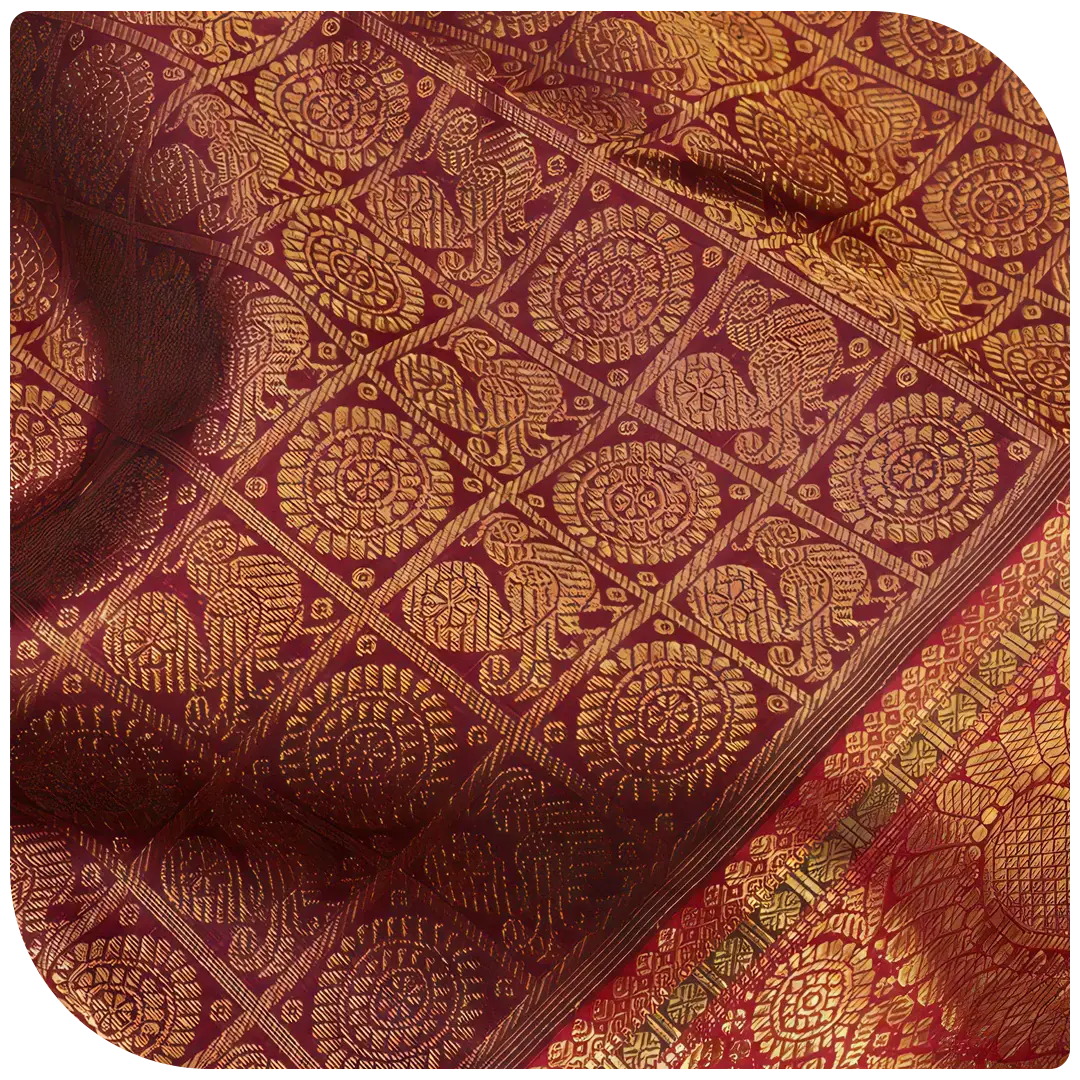
4. The saree is given a finishing
Now that the saree has been woven and the desired design has
been obtained, it is sent for giving it a finished look. Any
extra threads are cut and removed to make the saree ready to be
sent to retail shops and markets for sale purposes.
The whole process of crafting a Kanjivaram silk saree may sound
or appear easy, but the amount of time and effort that it
requires is unimaginable. Depending on the intricacy of the
design, it may take several weeks or months to complete one
Kanjivaram. Although the cost of the saree is expensive (due to
the use of real gold and silver) and not many people can afford
to buy it, it has managed to be a part of beautiful family
treasures that are passed down through generations as a token of
love and affection.