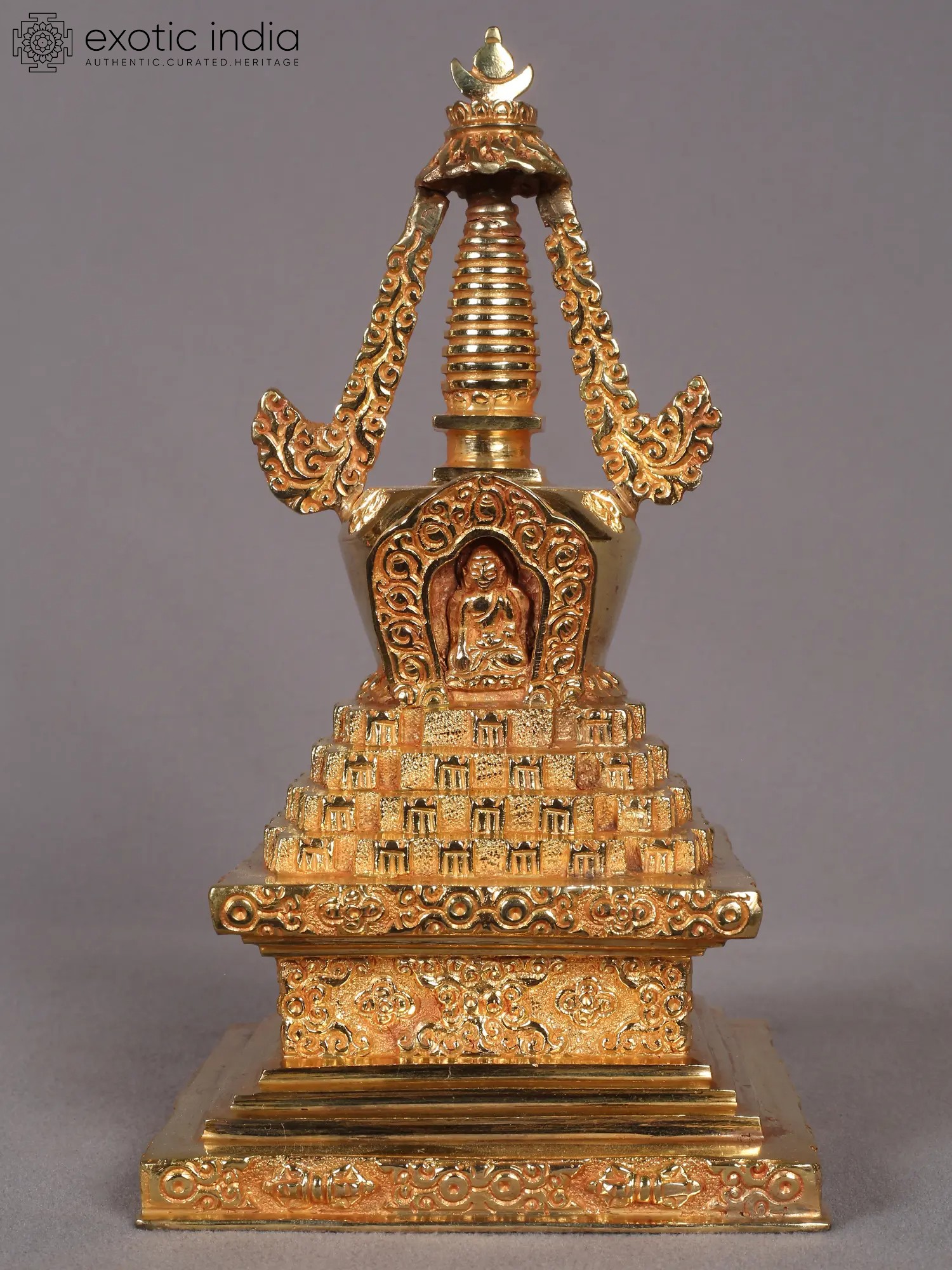
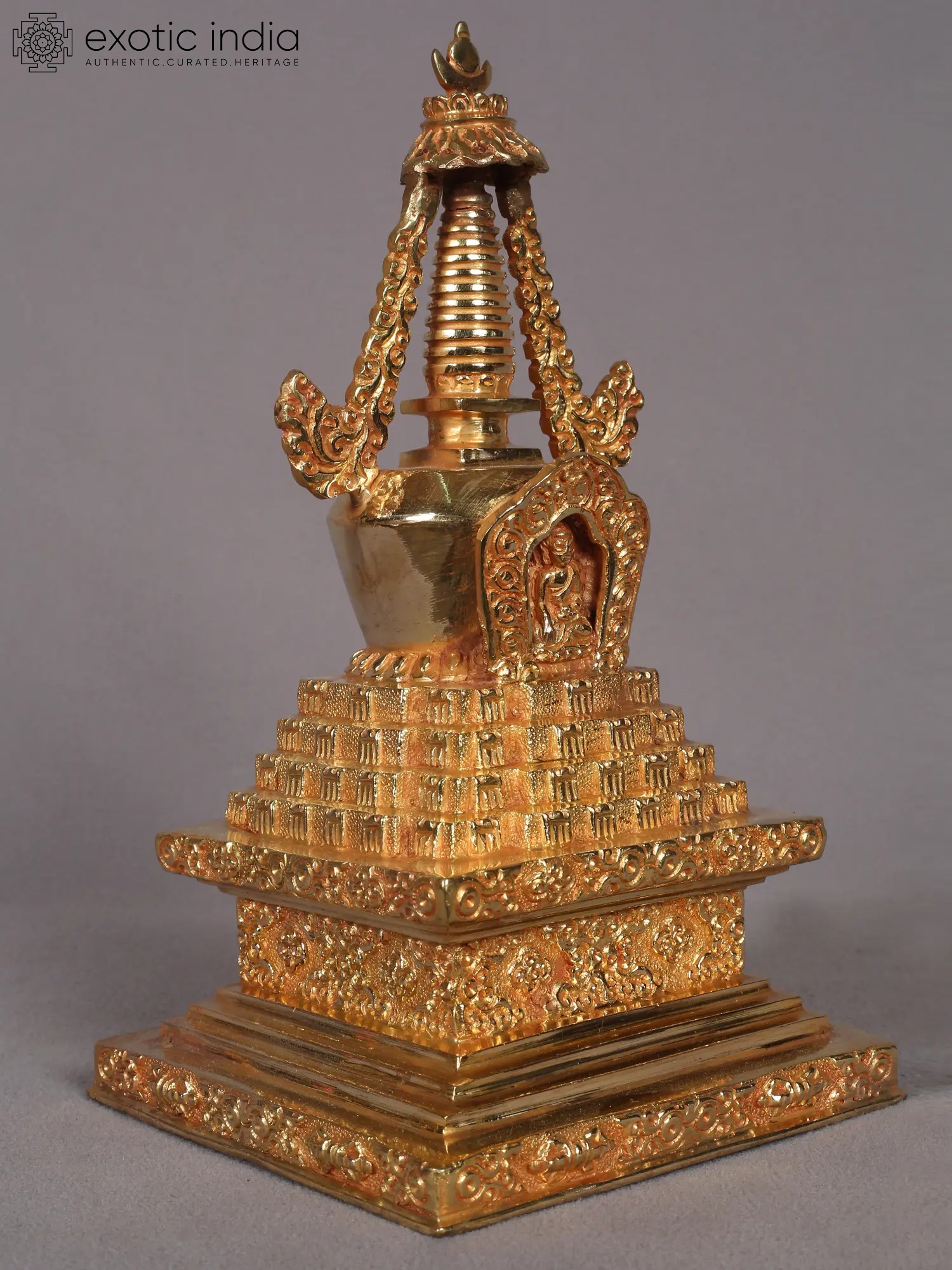
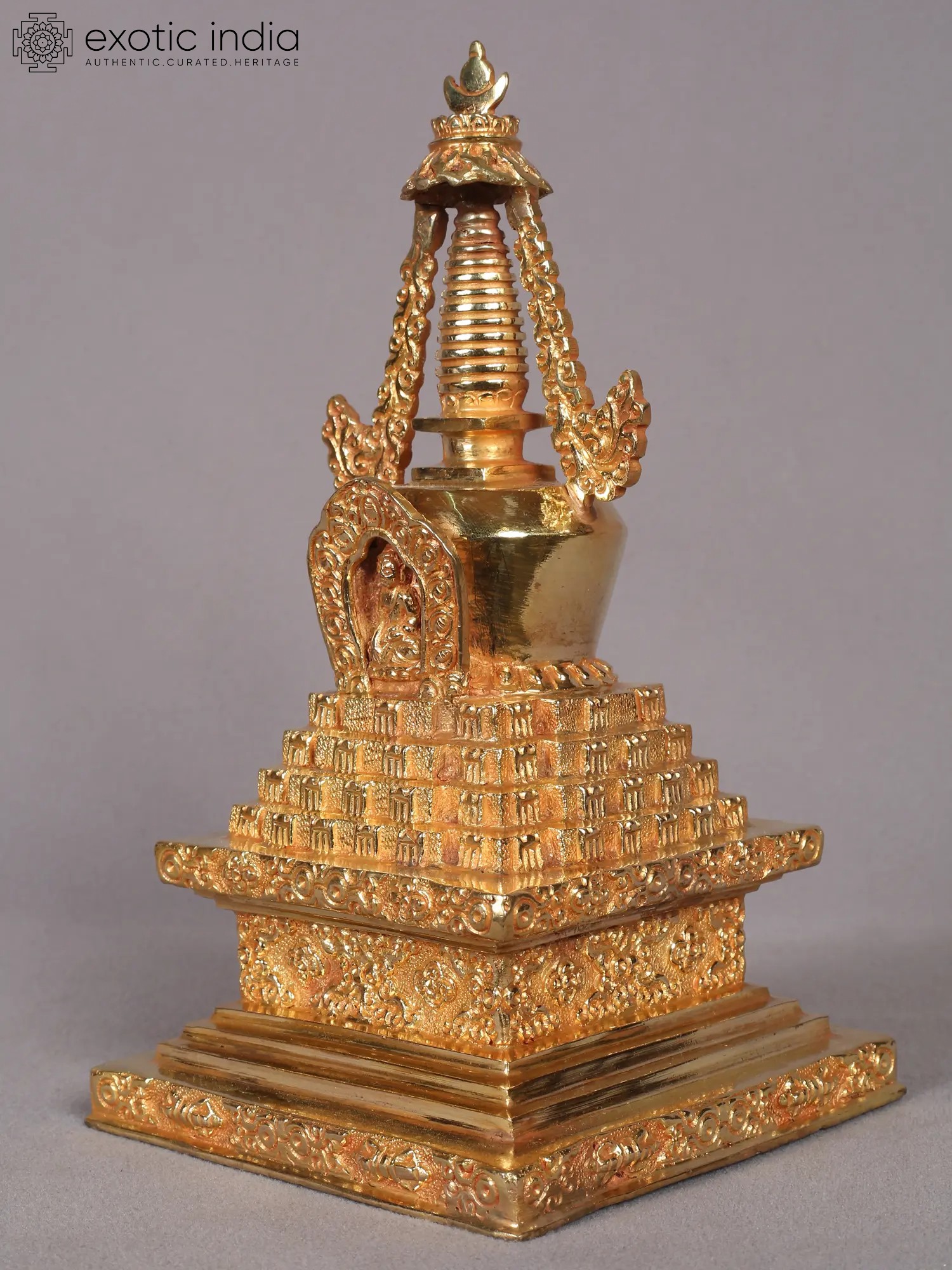
Stupas, symbolic
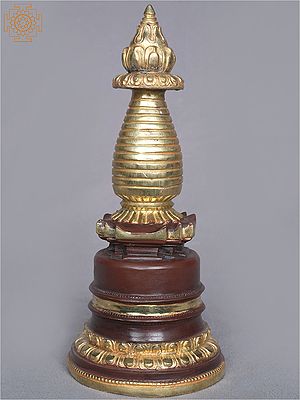
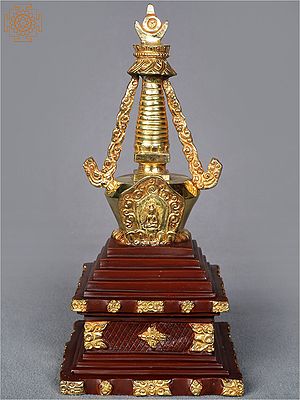
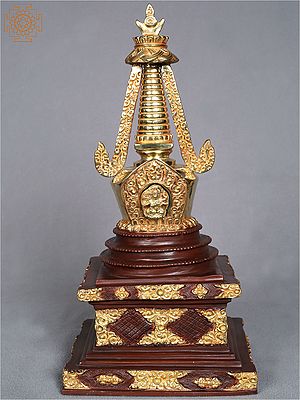
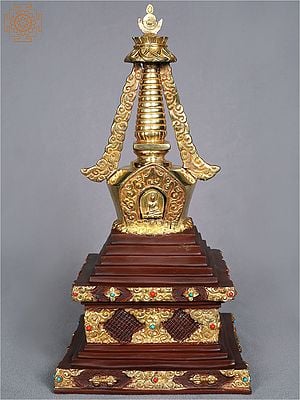
mound-like structures, serve as sanctuaries for Buddhist relics. Rising tall,
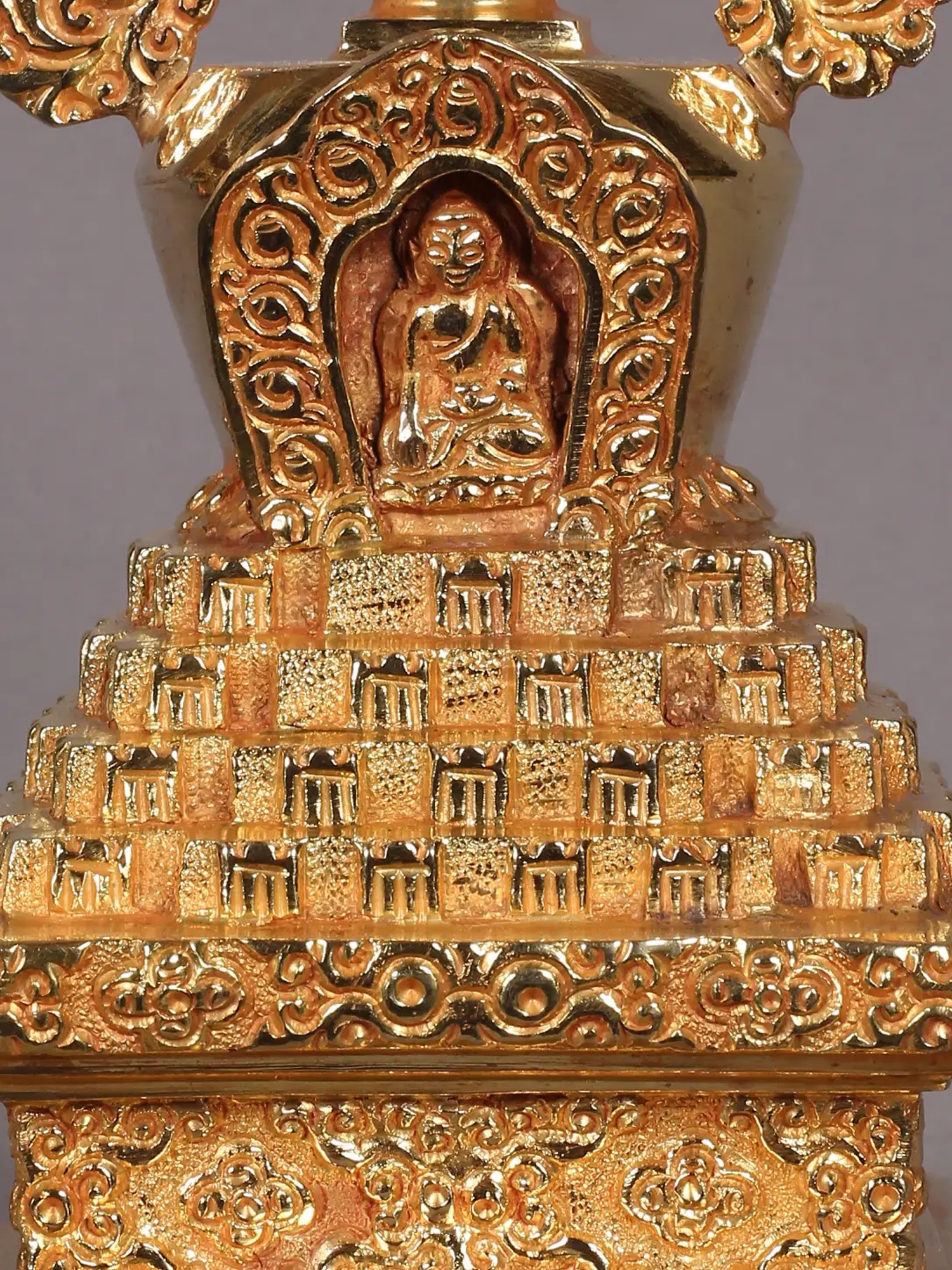
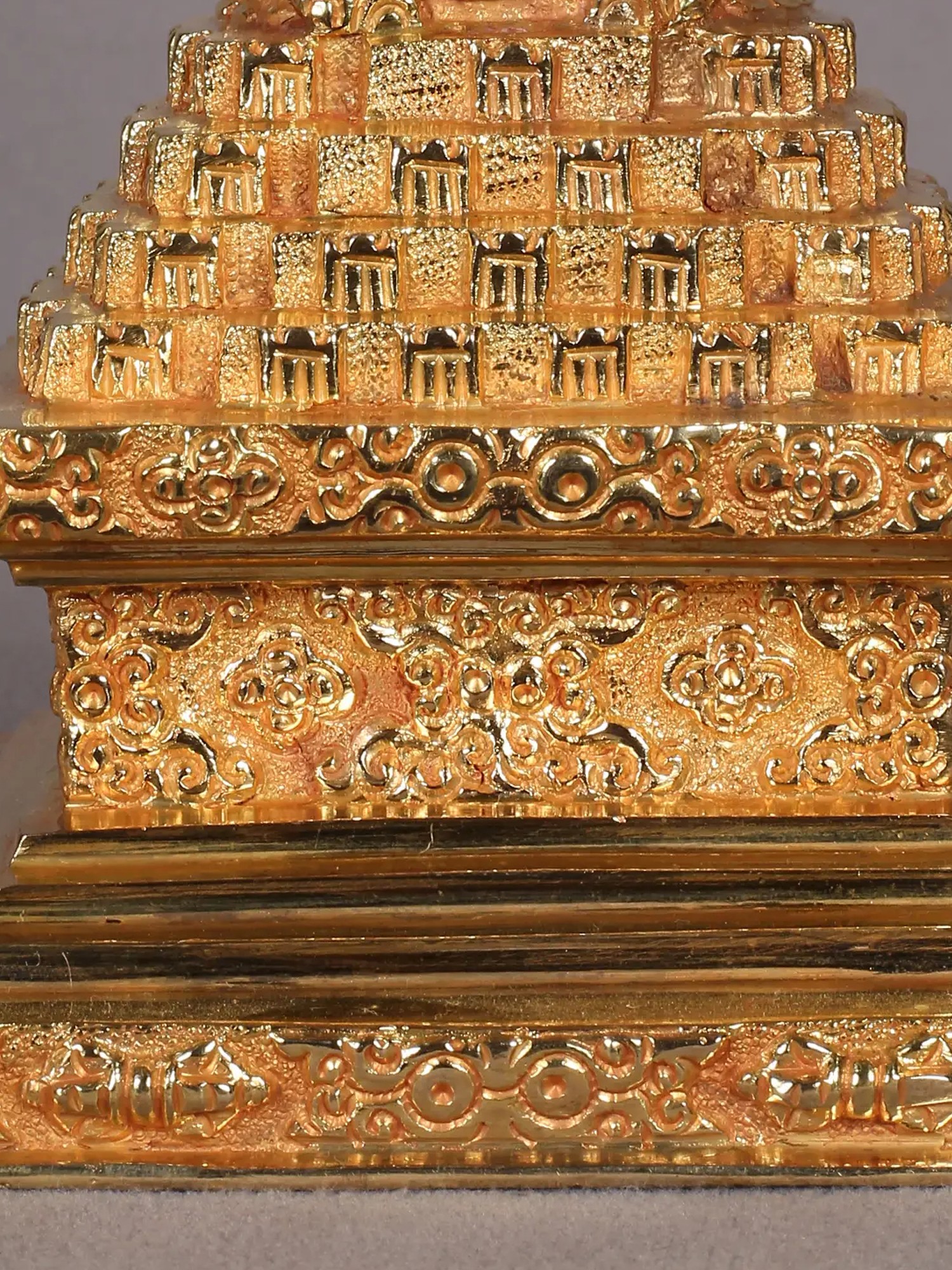
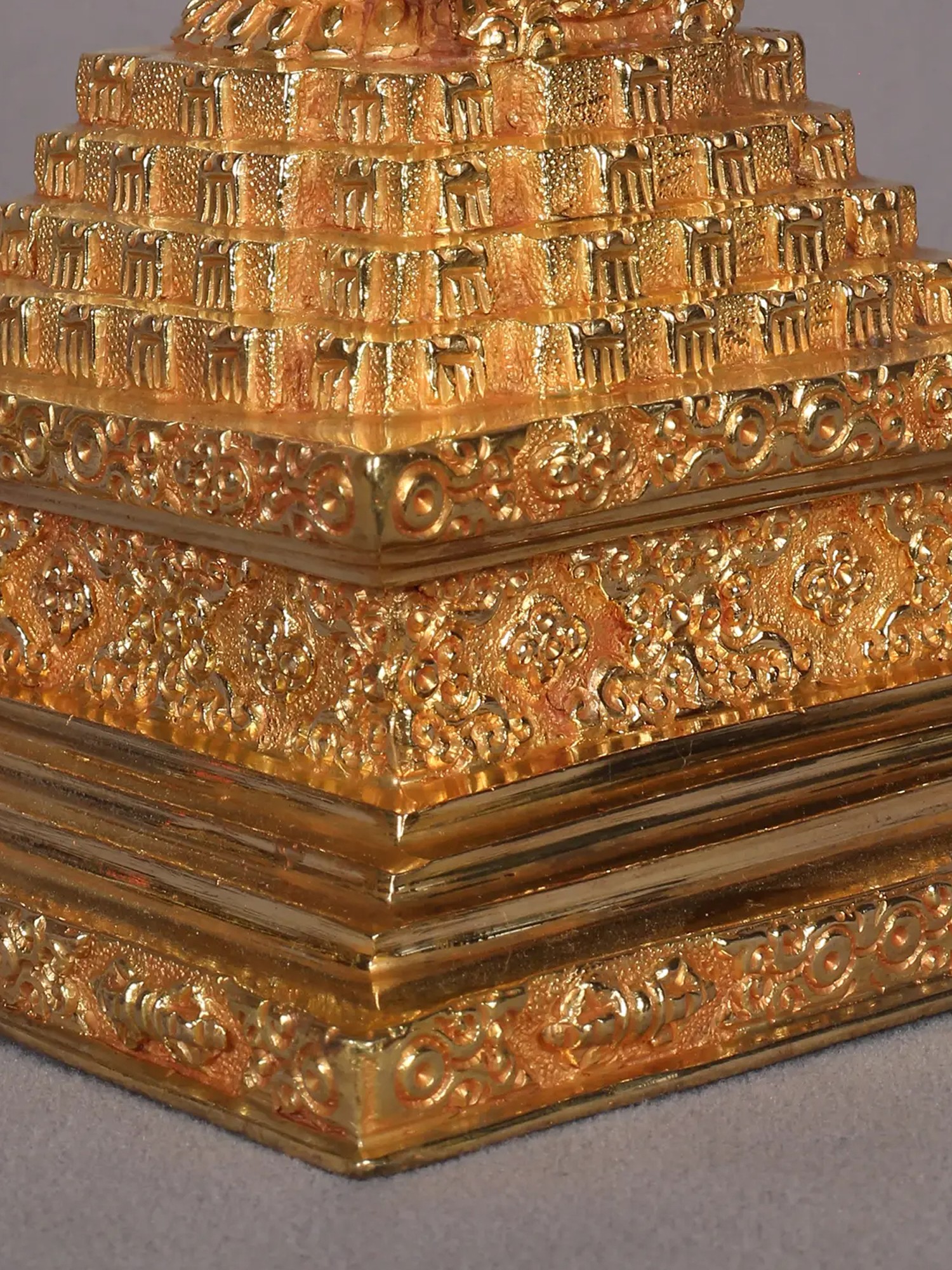
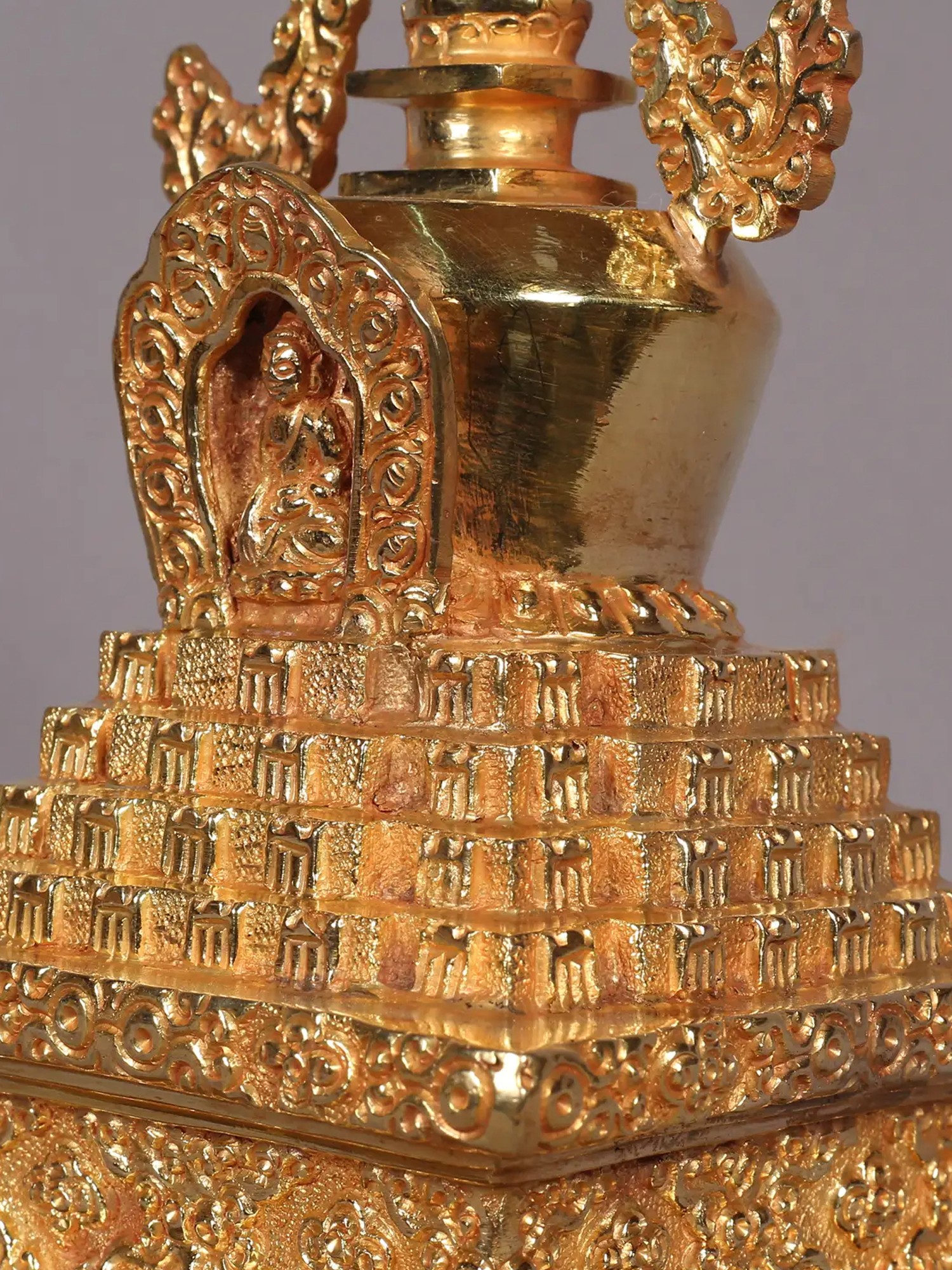
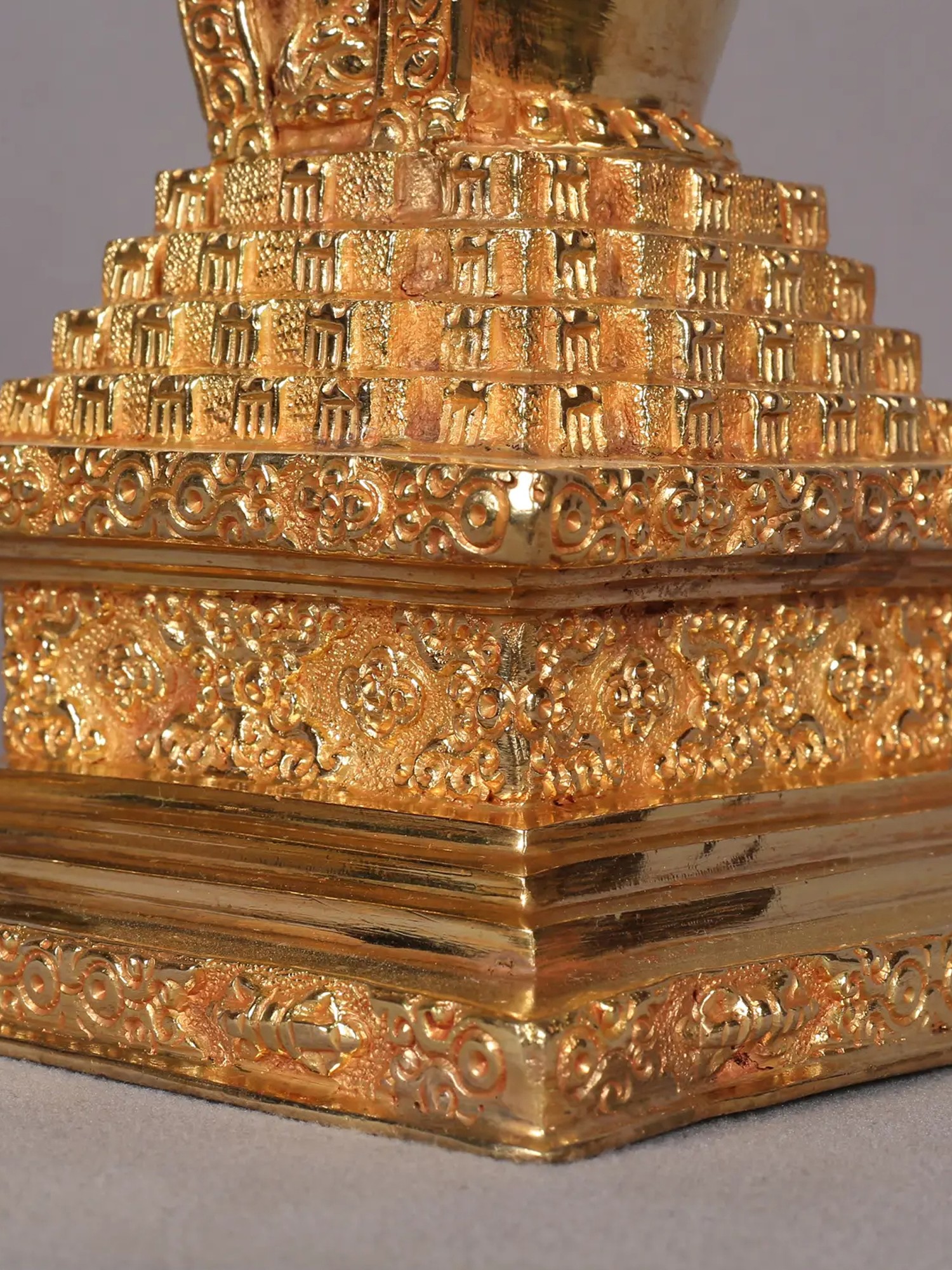
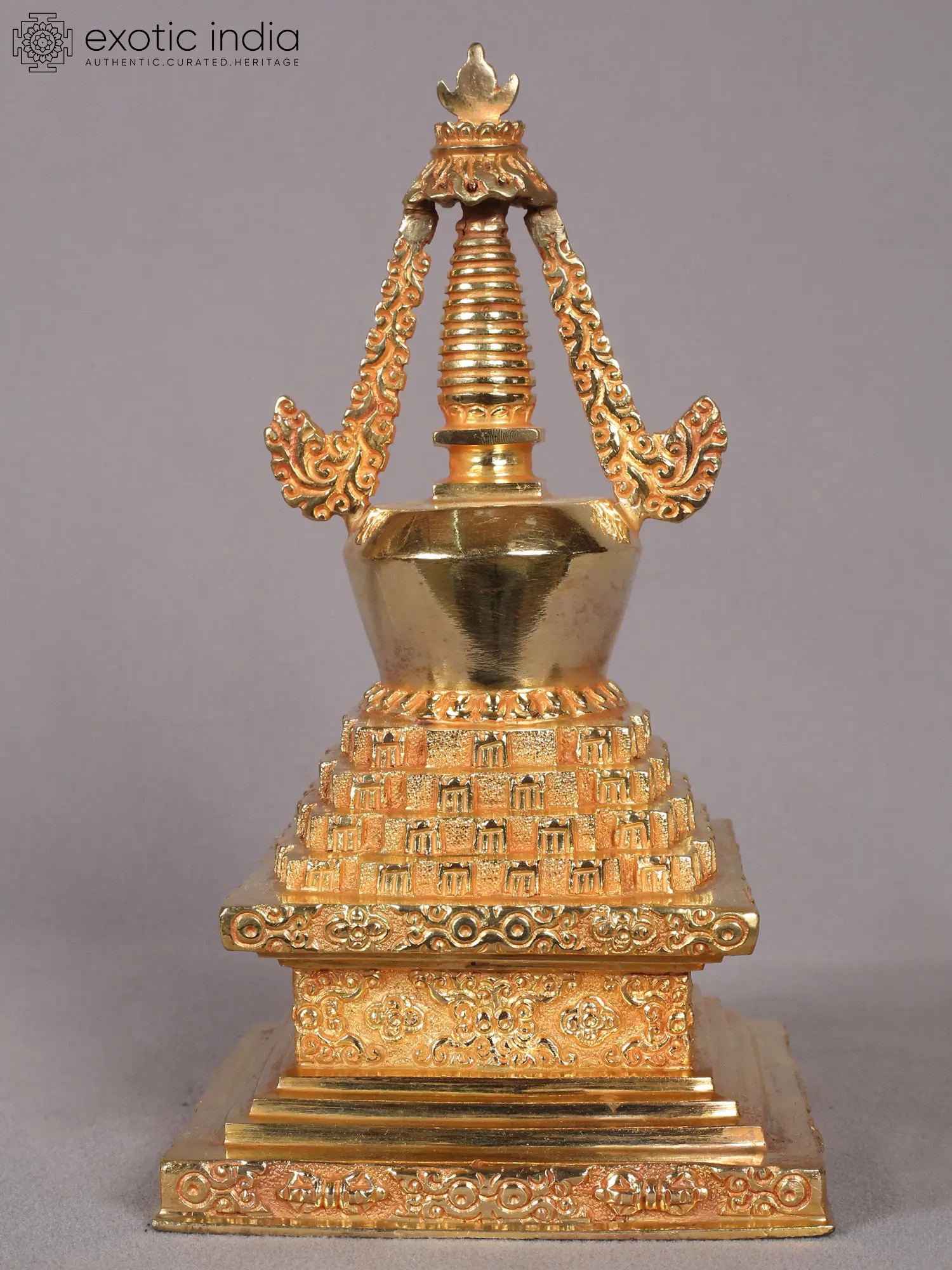
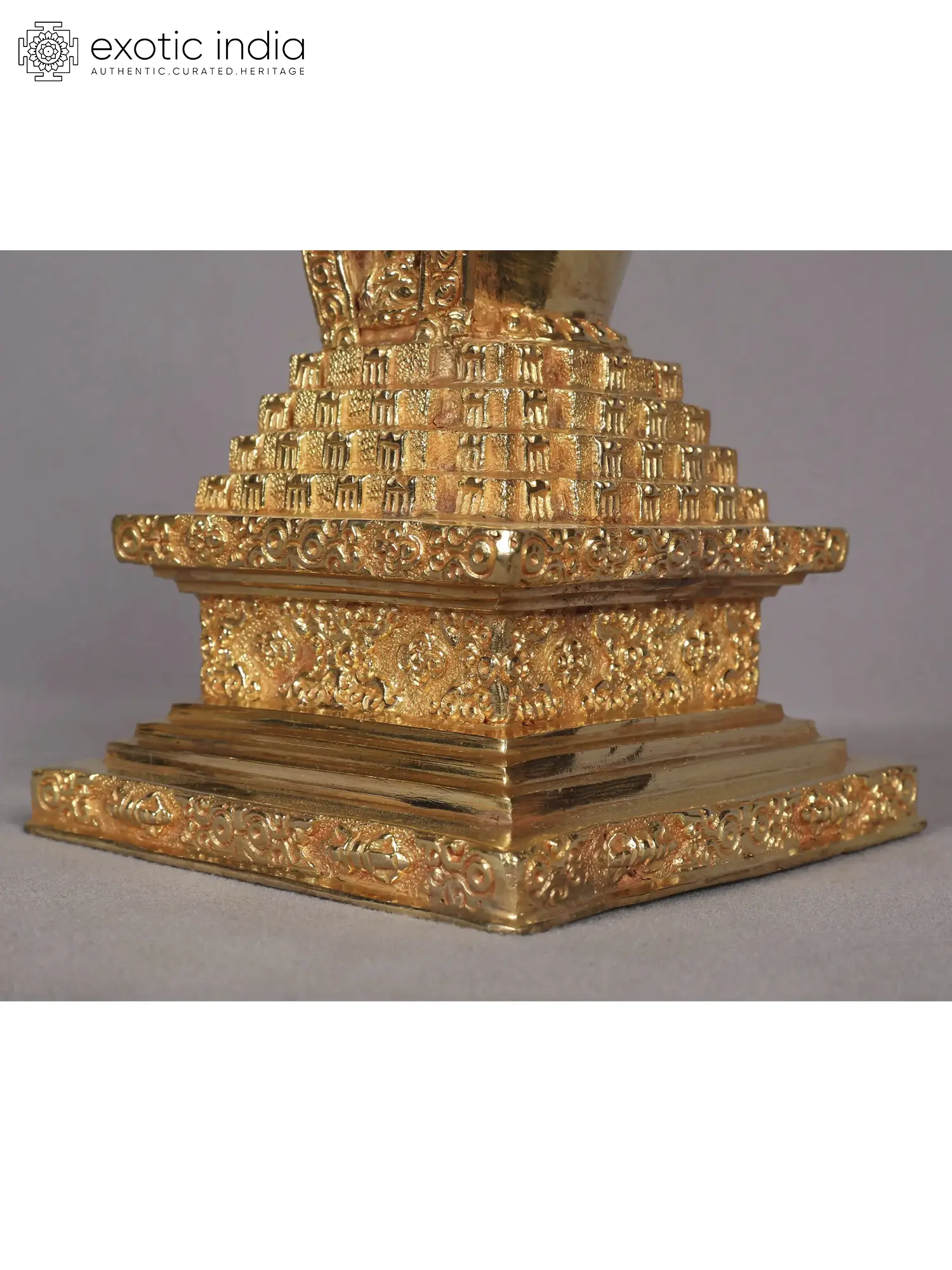
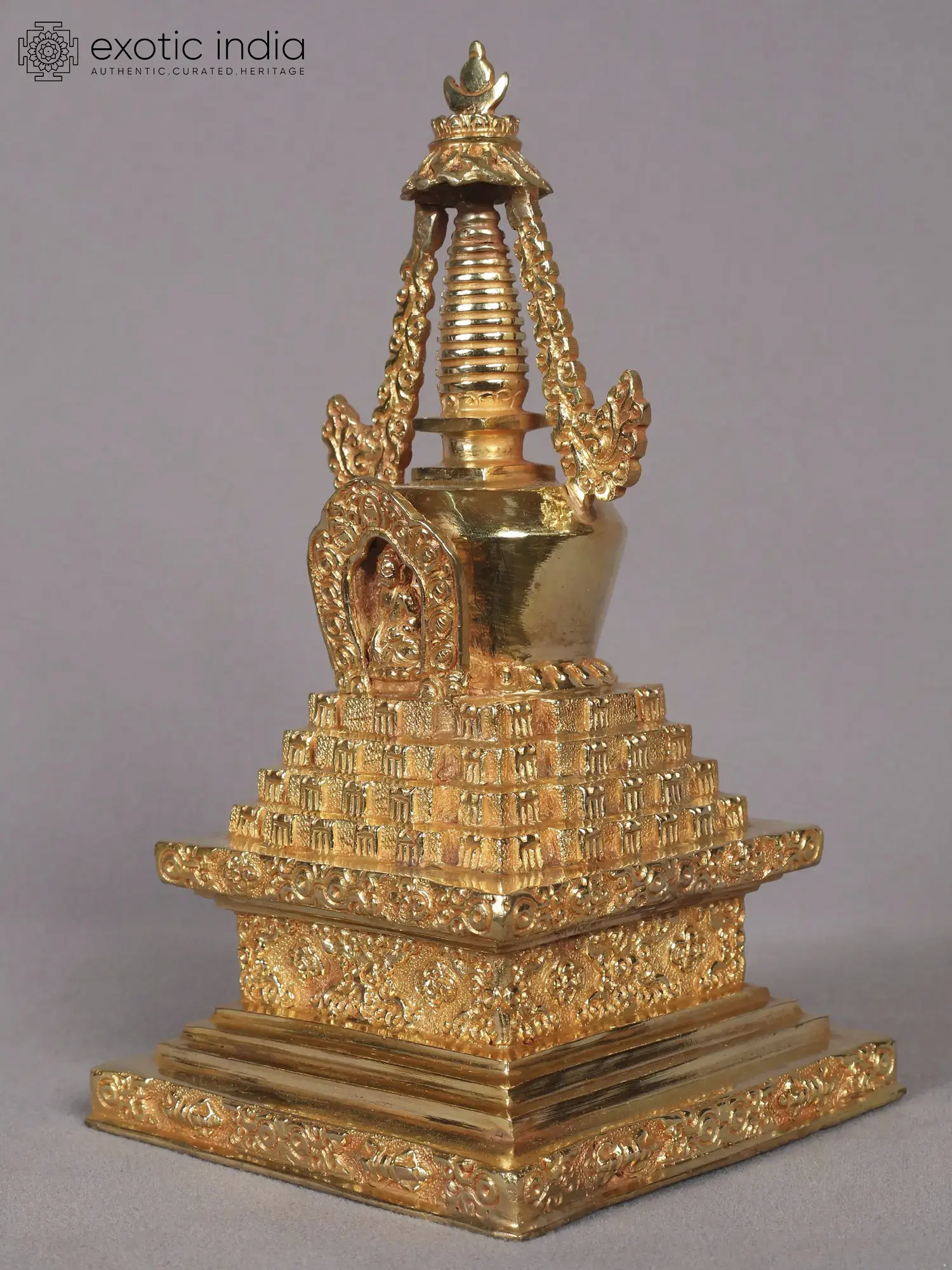
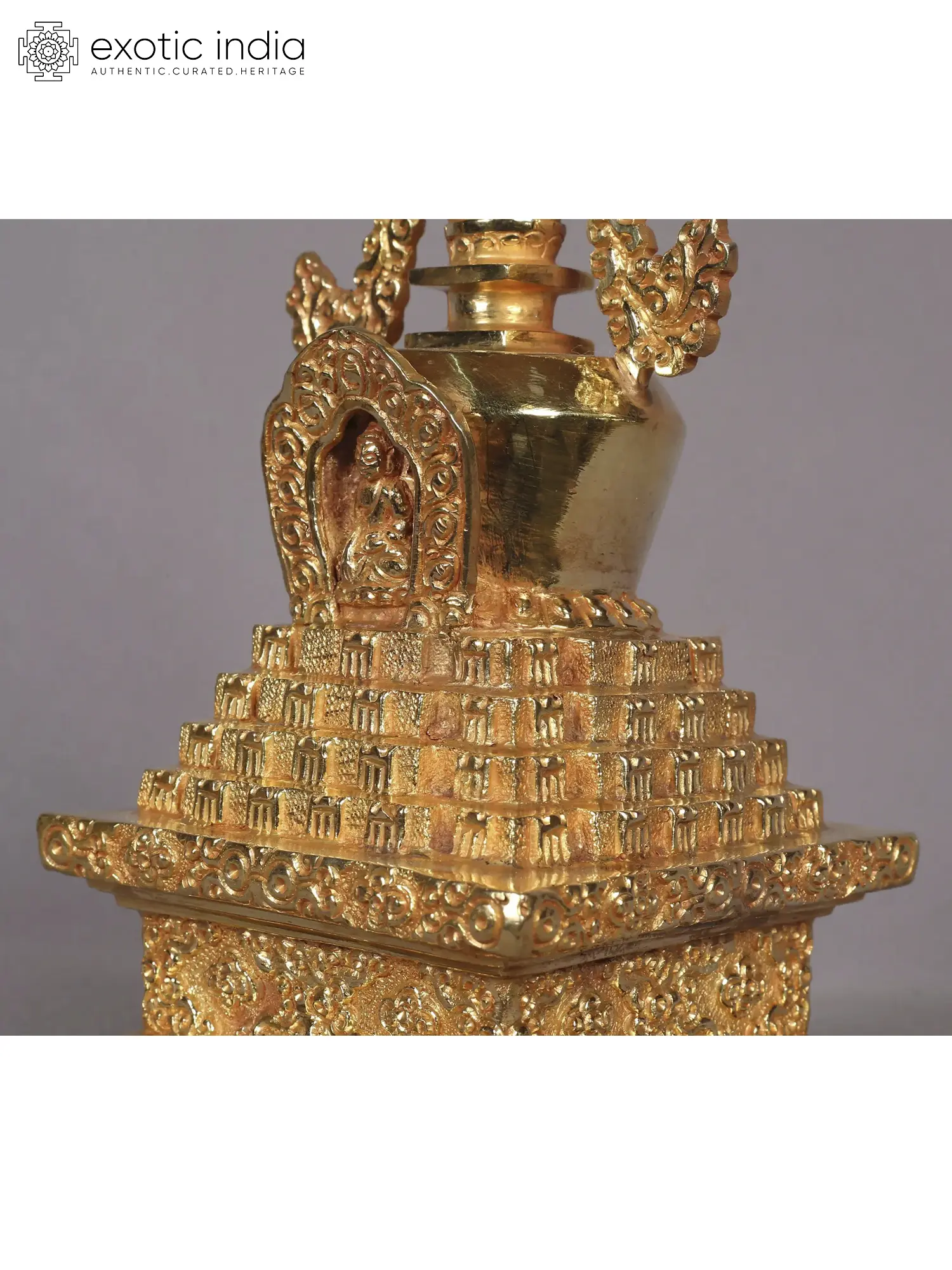
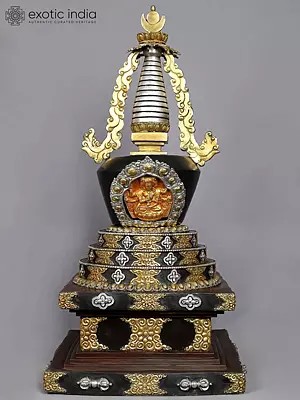
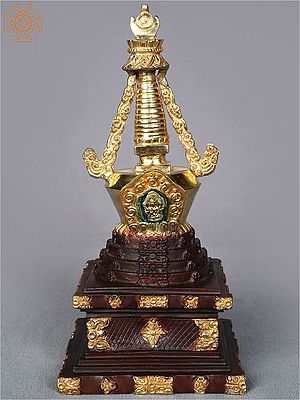
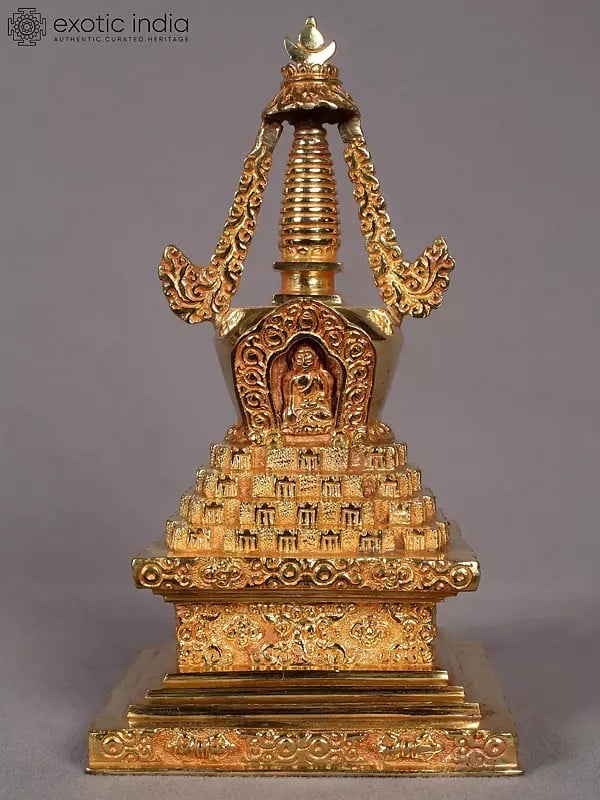
this stupa stands adorned with four intricately designed steps, each a
testament to Buddhist artistry. Beyond its aesthetic allure, the stupa holds
profound spiritual significance for Buddhism followers.
The stupa's elevated
base embodies the meditative form of Buddha, signifying transcendence and
spiritual elevation. Meditating and offering prayers near a Buddhist Stupa is
believed to generate positive energy, dispelling negative influences and
fostering inner peace. This sacred monument invites individuals on a spiritual
journey and serves as a focal point for tranquility within the confines of a
peaceful home environment, enveloping one in a sense of serenity and spiritual
connection.
A Sacred Beacon of Enlightenment
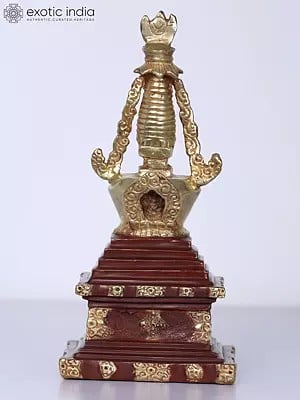
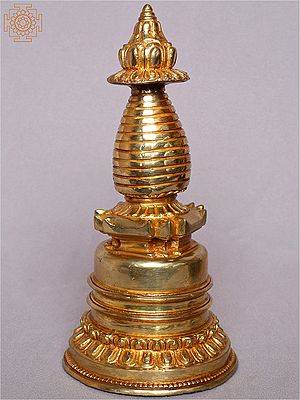
This exquisite stupa statue, meticulously crafted in Nepal, is a testament to the enduring spiritual traditions of the region. Rendered in gleaming copper and adorned with a lustrous gold plating, it captures the profound symbolism and intricate artistry inherent in Buddhist iconography. Standing at nine inches tall, it possesses a commanding presence, suitable for contemplation, ritual, or as a magnificent centerpiece in any sacred space.Symbolism and Significance
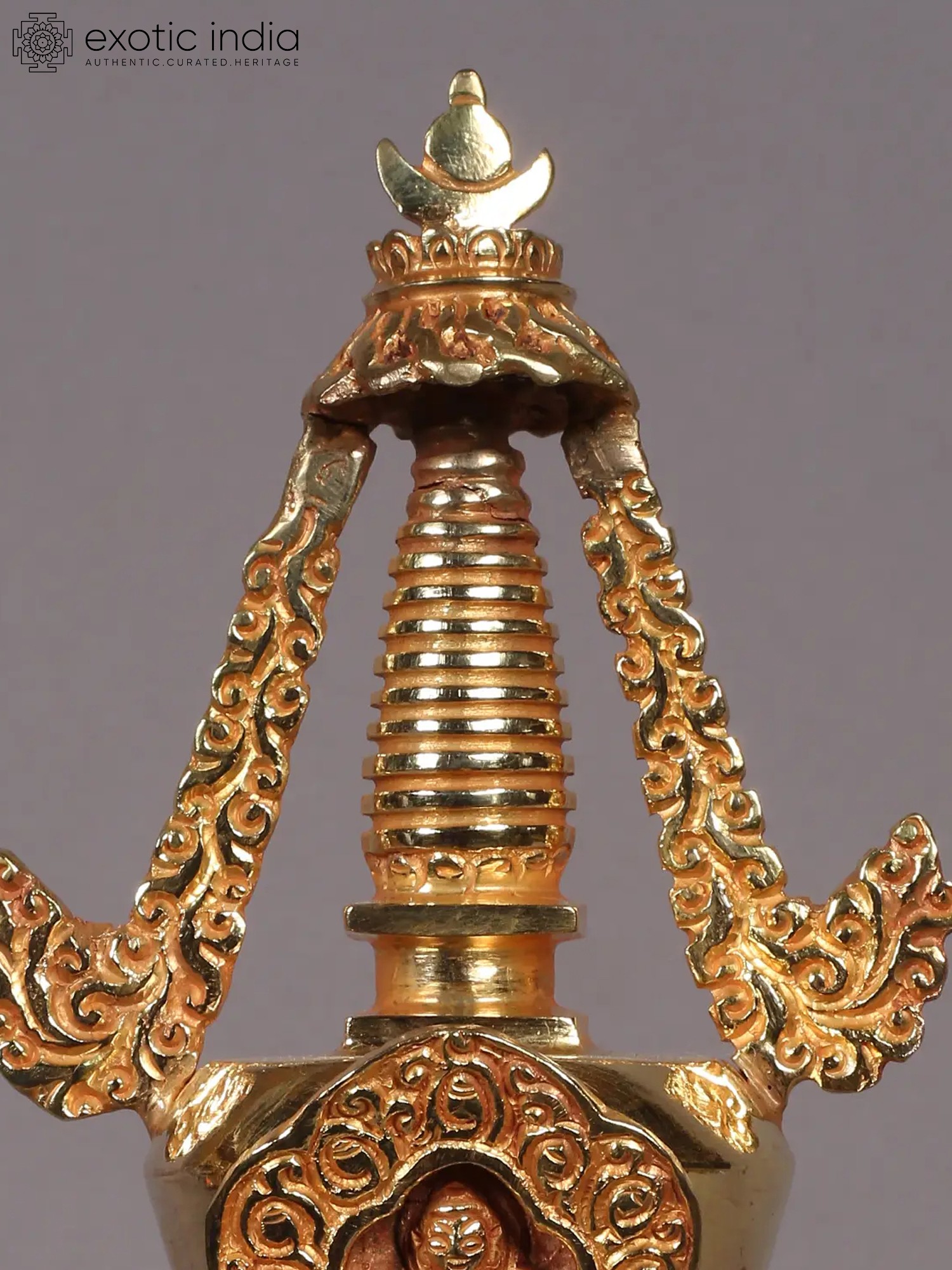
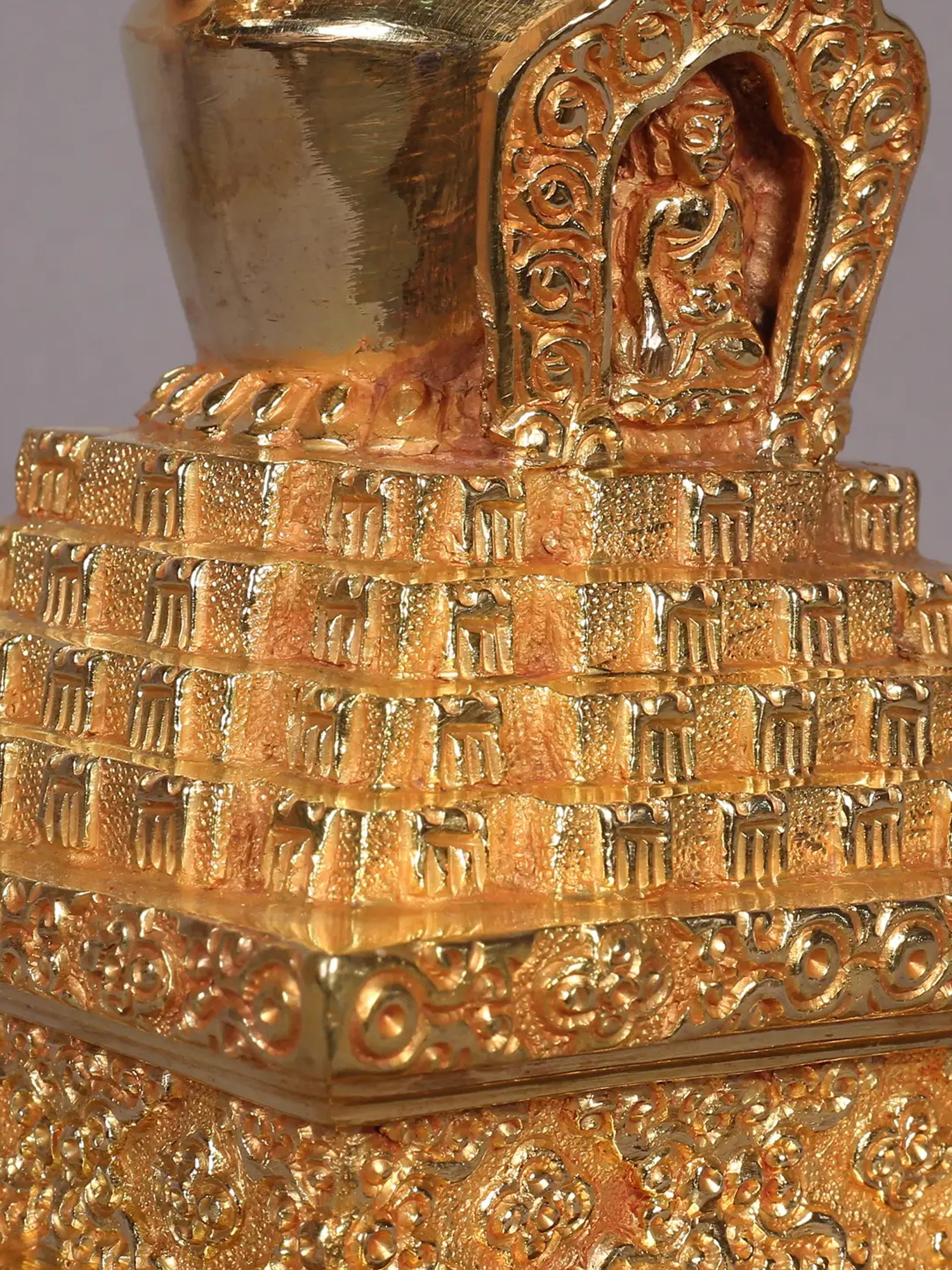
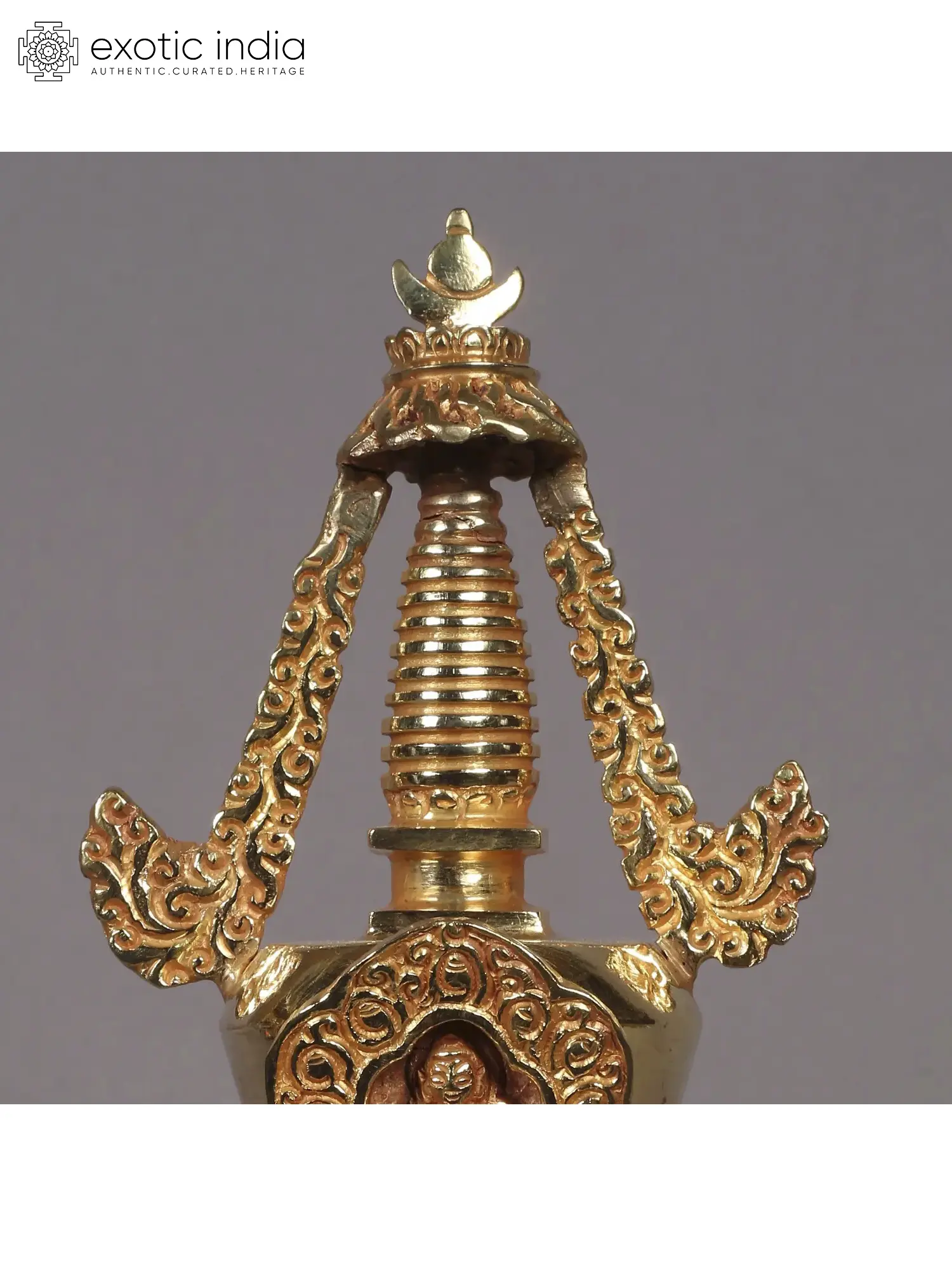
The stupa, in Buddhist cosmology, is more than just a structure; it is a representation of the Buddha's enlightened mind and the path to Nirvana. Each element of the stupa carries deep meaning. The base often symbolizes the earth, providing a stable foundation for spiritual growth. The tiered levels ascending upwards can represent the stages of the path to enlightenment, or the heavens. The dome or the main body of the stupa, often called the "anda" or egg, signifies the mind of the Buddha, or the womb of potential enlightenment. The spire at the apex represents the path to liberation, culminating in a celestial union. The small niche prominently displayed on this particular stupa features a seated Buddha, a direct evocation of the awakened one, the source of all teachings and the ultimate goal of the spiritual journey. The intricate ornamentation that adorns the structure, from the delicate scrolling motifs to the finely rendered architectural details, speaks to the devotion and skill of the artisans, who imbue each piece with spiritual energy and aesthetic beauty.Craftsmanship from the Himalayas
Originating from Nepal, a land deeply steeped in Buddhist heritage and renowned for its skilled metalworkers, this stupa embodies centuries of artistic tradition. The copper forms a sturdy and resonant core, while the gold plating imbues it with a radiant, divine aura. The meticulous attention to detail, from the precise layering of the base to the delicate curves of the spire, showcases the mastery of Nepalese artisans. Such sacred objects are often created in workshops where generations have passed down their knowledge, ensuring that each piece is not merely an object of art but a vessel of spiritual transmission. The creation process itself is often seen as a meditative practice, a form of devotional offering.A Gateway to Serenity
This stupa serves as a powerful focal point for meditation, prayer, and the cultivation of inner peace. Its presence can transform a room into a sanctuary, inviting contemplation on the impermanence of life, the nature of suffering, and the possibility of ultimate liberation. By invoking the spirit of the Buddha and the profound teachings of Buddhism, this statue can inspire mindfulness, compassion, and a deeper connection to the spiritual path. It is a tangible reminder of the journey towards enlightenment, a beacon of hope and a source of serene beauty.How are Nepalese copper statues made?
Nepalese statues and sculptures are best known for their unique
small religious figures and ritual paraphernalia for over two
thousand years. These are mainly cast in copper alloy. Nepal draws
influences from the artistic styles of Buddhism and Hinduism, and
therefore the sculptors of the country specialize in making the
icons of both these religions. Over the years, Nepalese sculptures
evolved into their own distinctive iconography. Some
characteristic features of these sculptures that differ from other
pieces are exaggerated physical postures, youthful and sensual
features, languid eyes, wider faces having serene expressions, and
ornate flourishes. The Buddhist deity icons of Nepal have
tremendous demand in countries such as China and Tibet for ritual
purposes in their temples and monasteries.
Nepalese statues and sculptures have a high copper content and
therefore develop a slightly reddish patina on the surface as they
age. However, the most unique feature of Nepalese copper statues
is their decorative detailing. The pieces are heavily gilded and
sometimes inlaid with semi-precious stones. This embellishment
protects them from getting tarnished. The traditional lost-wax
method for casting Nepalese copper statues remains the most
practiced technique in Nepal for many centuries. This process
involves many steps and requires skilled artists.
The first step in lost-wax sculpting is to make a wax replica of
the desired Buddhist deity to be cast in copper. This replica is
created by hand and therefore needs excellent artistic skills
otherwise fine features will be lacking.
Once the wax replica is made, it is then coated with a special
mixture of clay with a brush. This layer of clay is hardened when
left to dry. A small hole is made on the base of the wax mould so
that the wax flows away when it is heated.
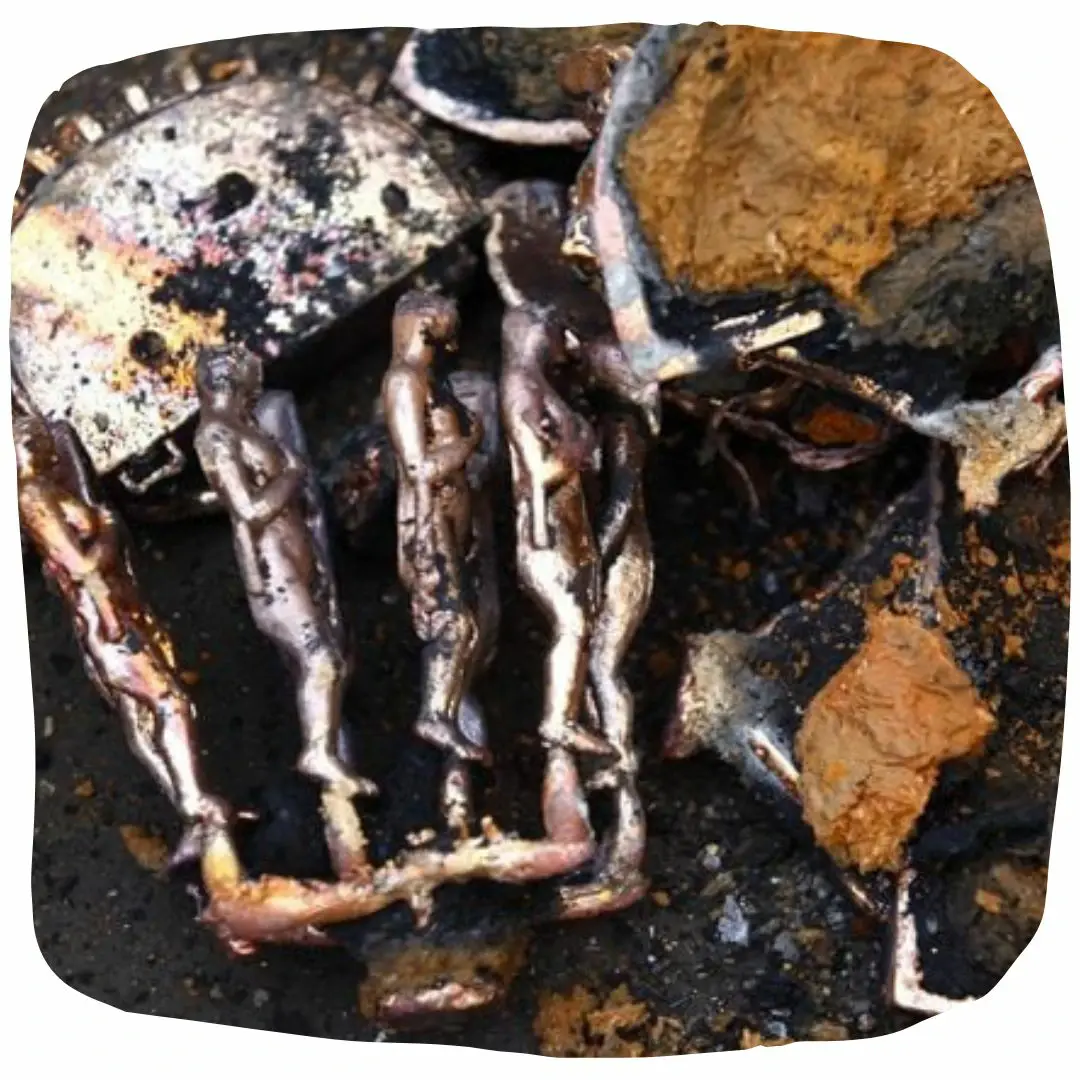
At this stage, a hollow mould in the shape of the deity is
obtained.
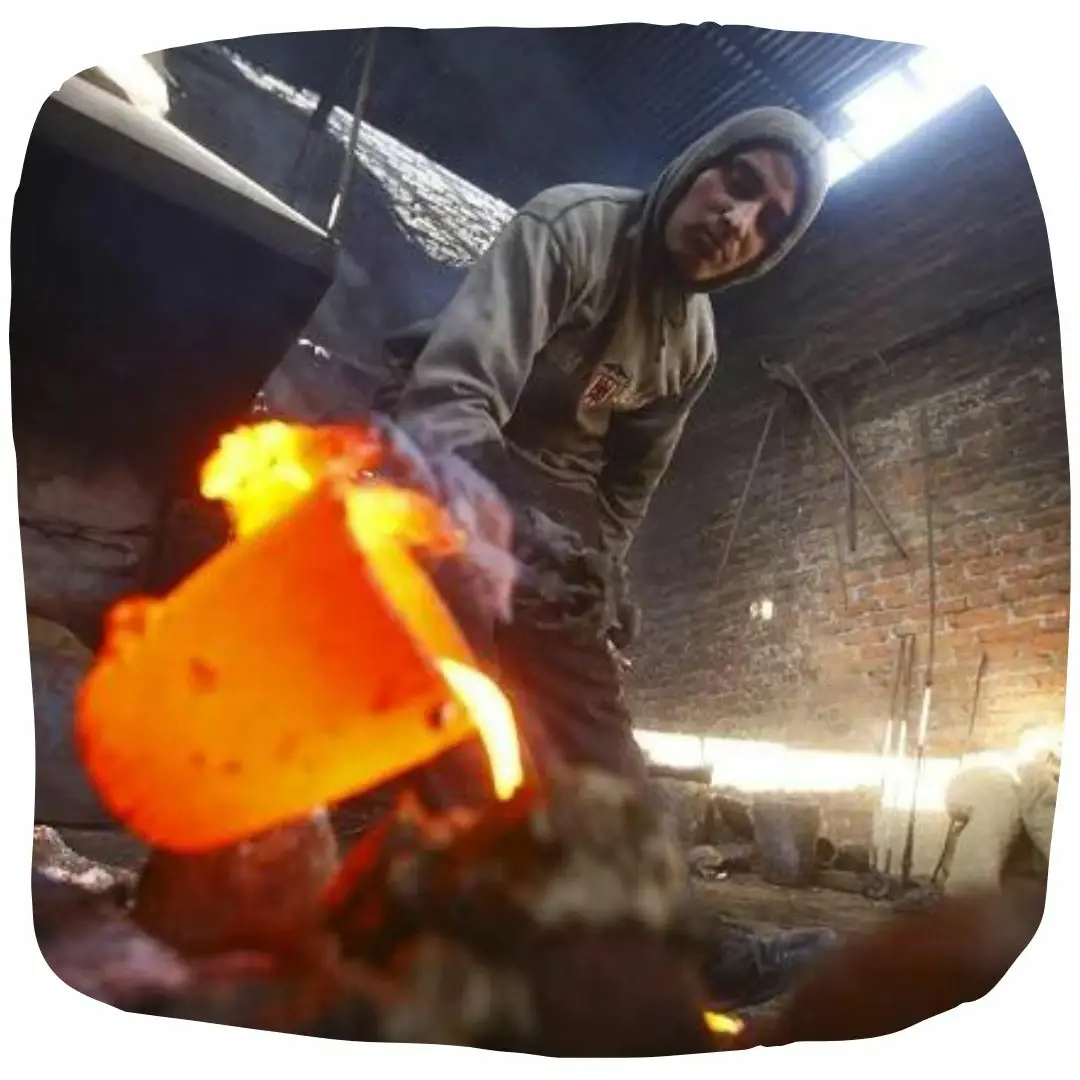
This is the time to pour liquid copper into the hollow mould which
is then allowed to cool and harden inside a container of cold
water. When the liquid metal has hardened, the mould is removed
and the statue within is revealed.
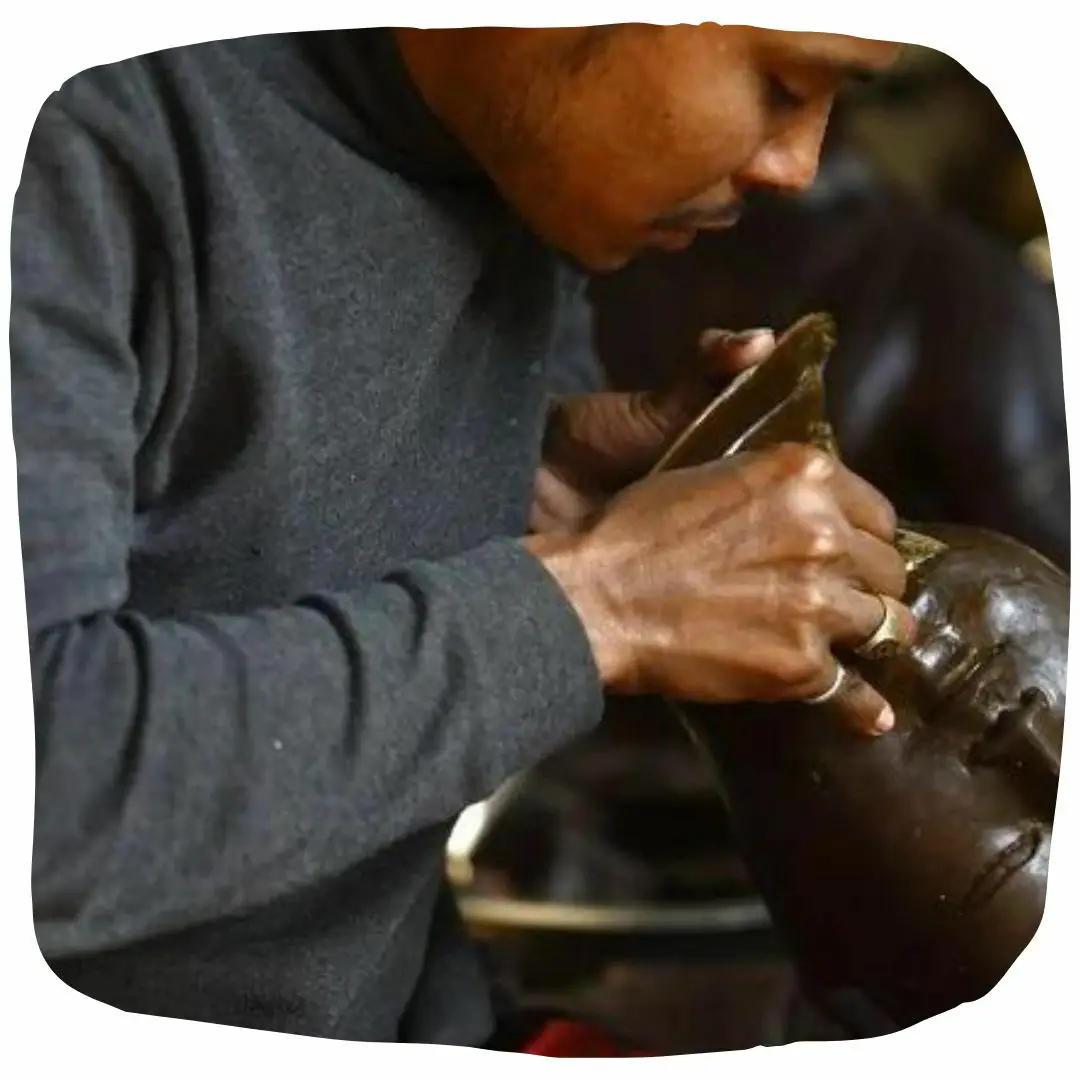
The artist works on the details of the statue using various tools.
It is then polished to get a shiny and lustrous surface.
Now comes the most important part of Nepalese art which is gold
gilding. This is done by the traditional fire gilding method. A
mixture of mercury and 18K gold is applied on the surface of the
statue and heat is applied using a flame torch. The result is that
mercury evaporates along with impurities, leaving a pure 24K gold
finish.
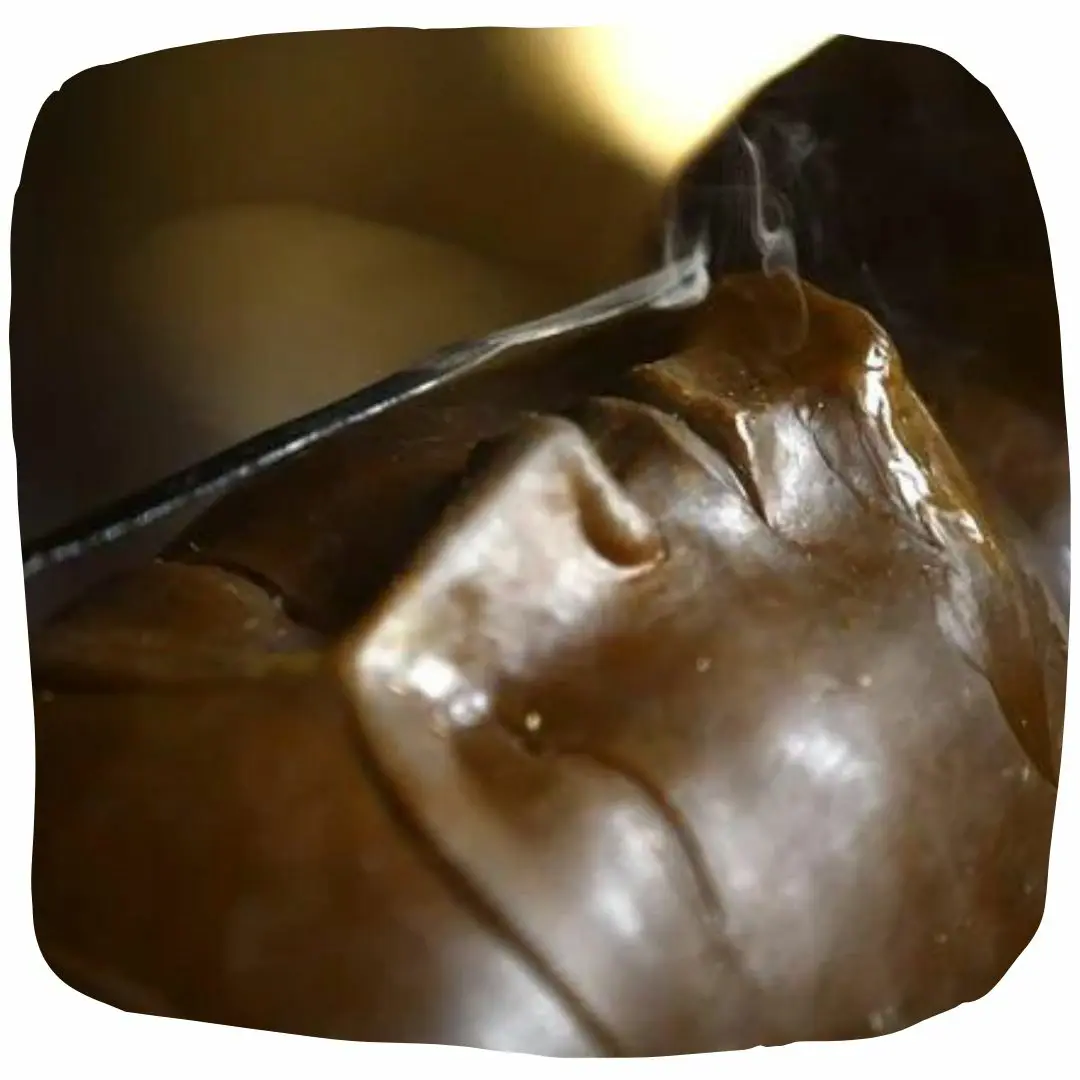
The lost-wax method of sculpting is the most preferred technique
for artists to cast a metallic statue having intricate details.
Since Nepalese copper sculptures require extraneous effort for
giving a majestic look by adding special embellishments, it takes
several weeks to complete one masterpiece. A 24K gold gilded
copper sculpture retains its brilliant luster for many years and
appears as like before. Nepalese sculptures continue to remain one of the finest specimens of the art of the East that have a strong
aesthetic appeal that other sculptures cannot match.




















 Upload an Image