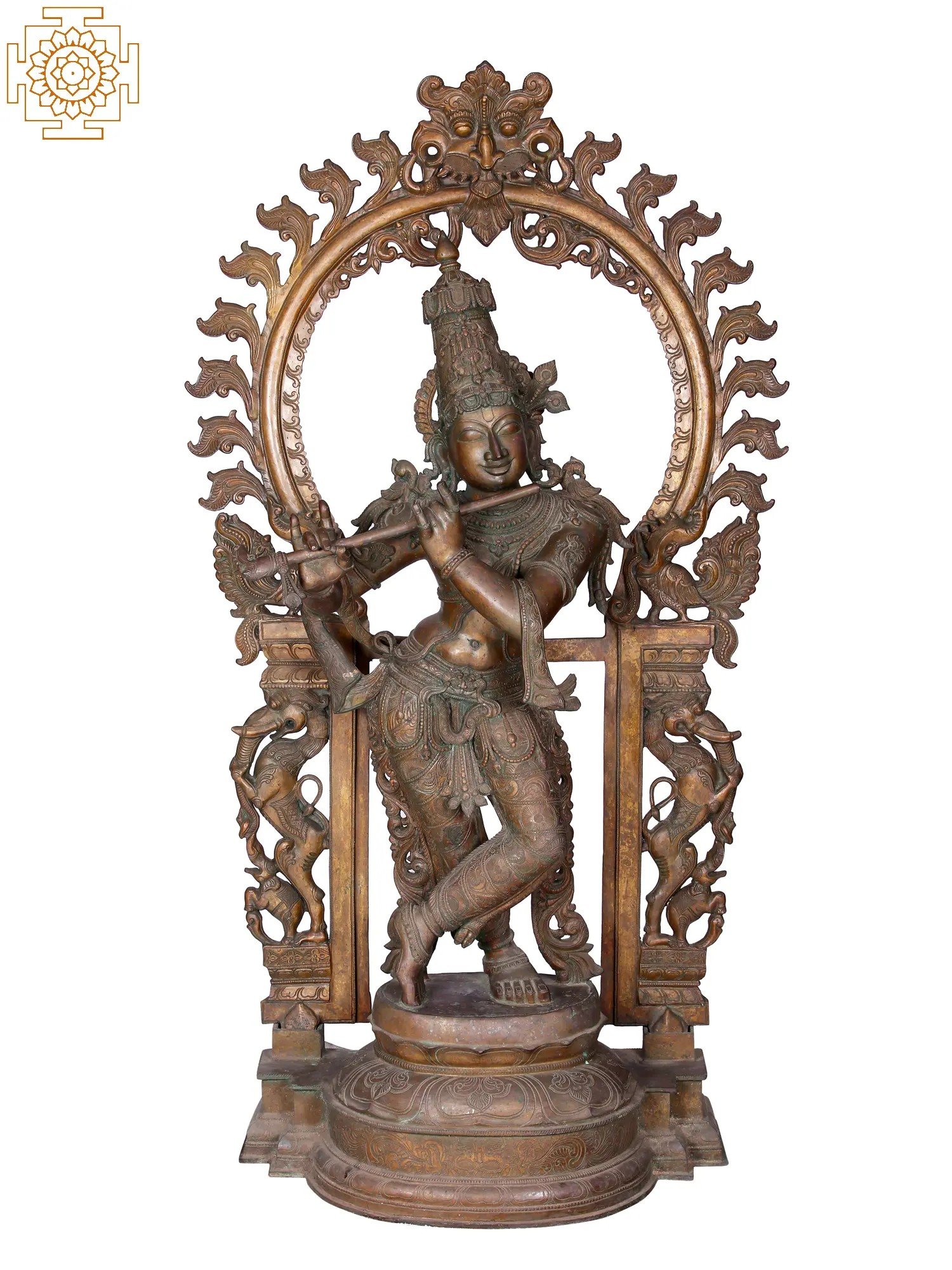
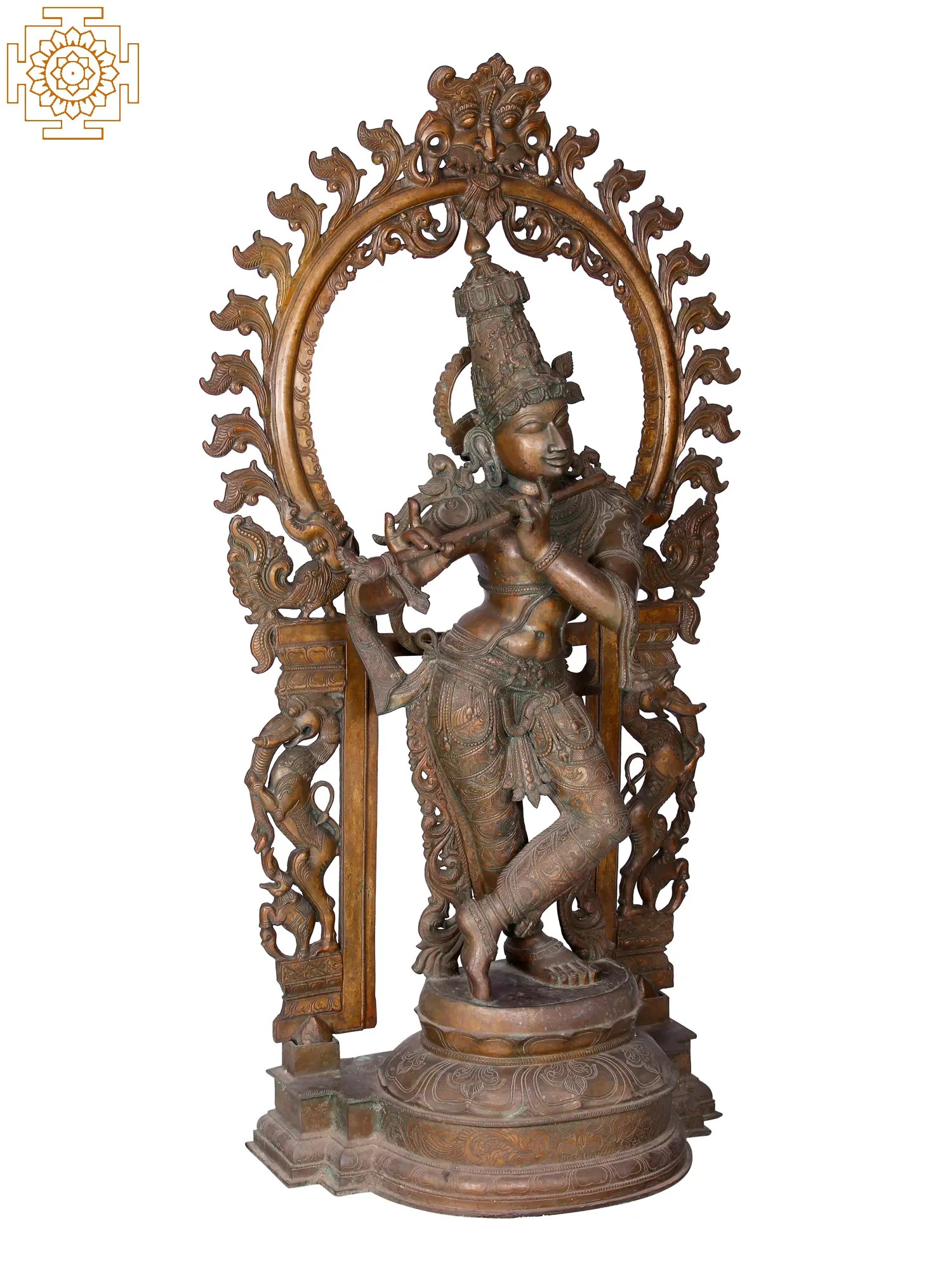
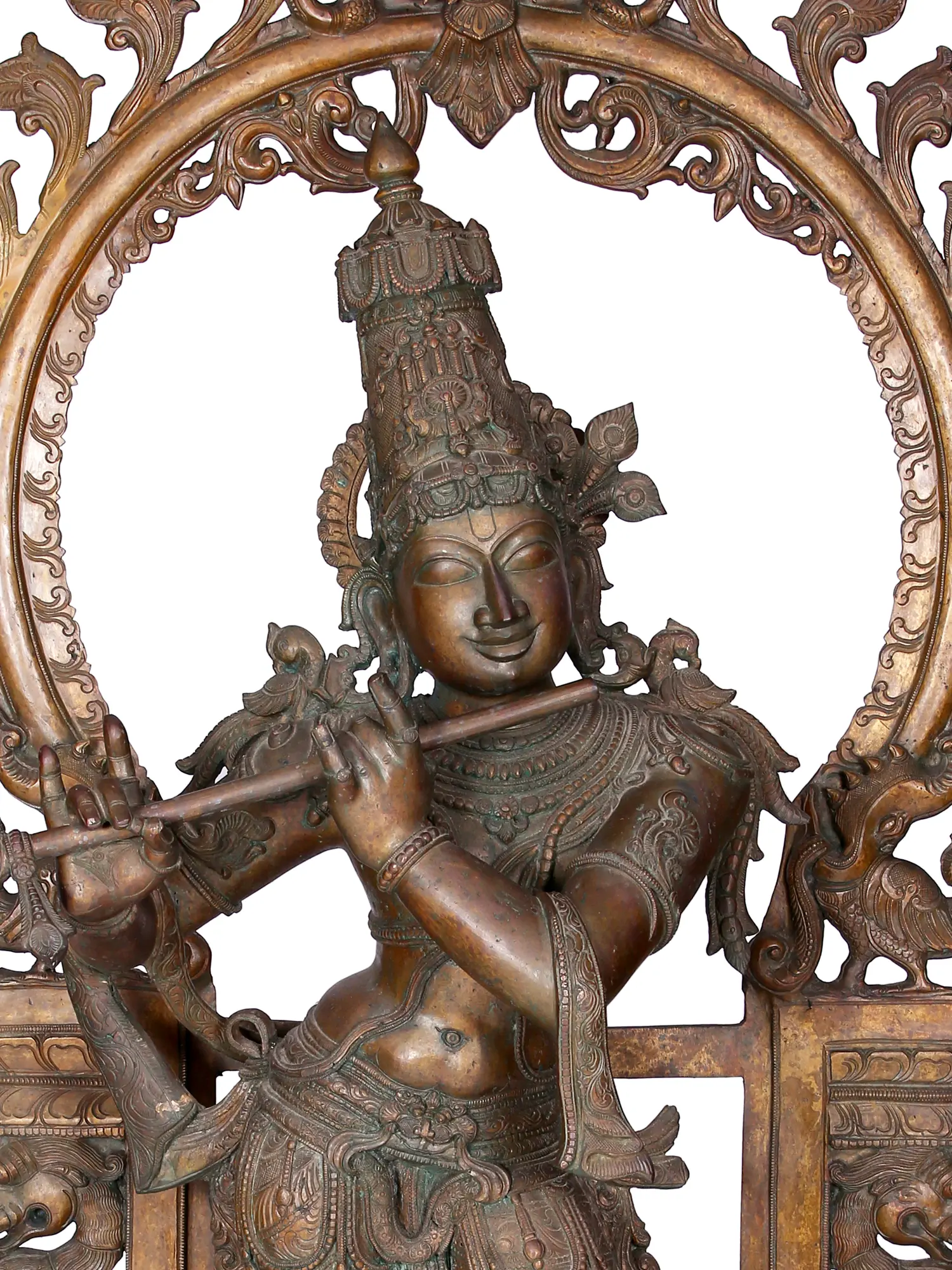
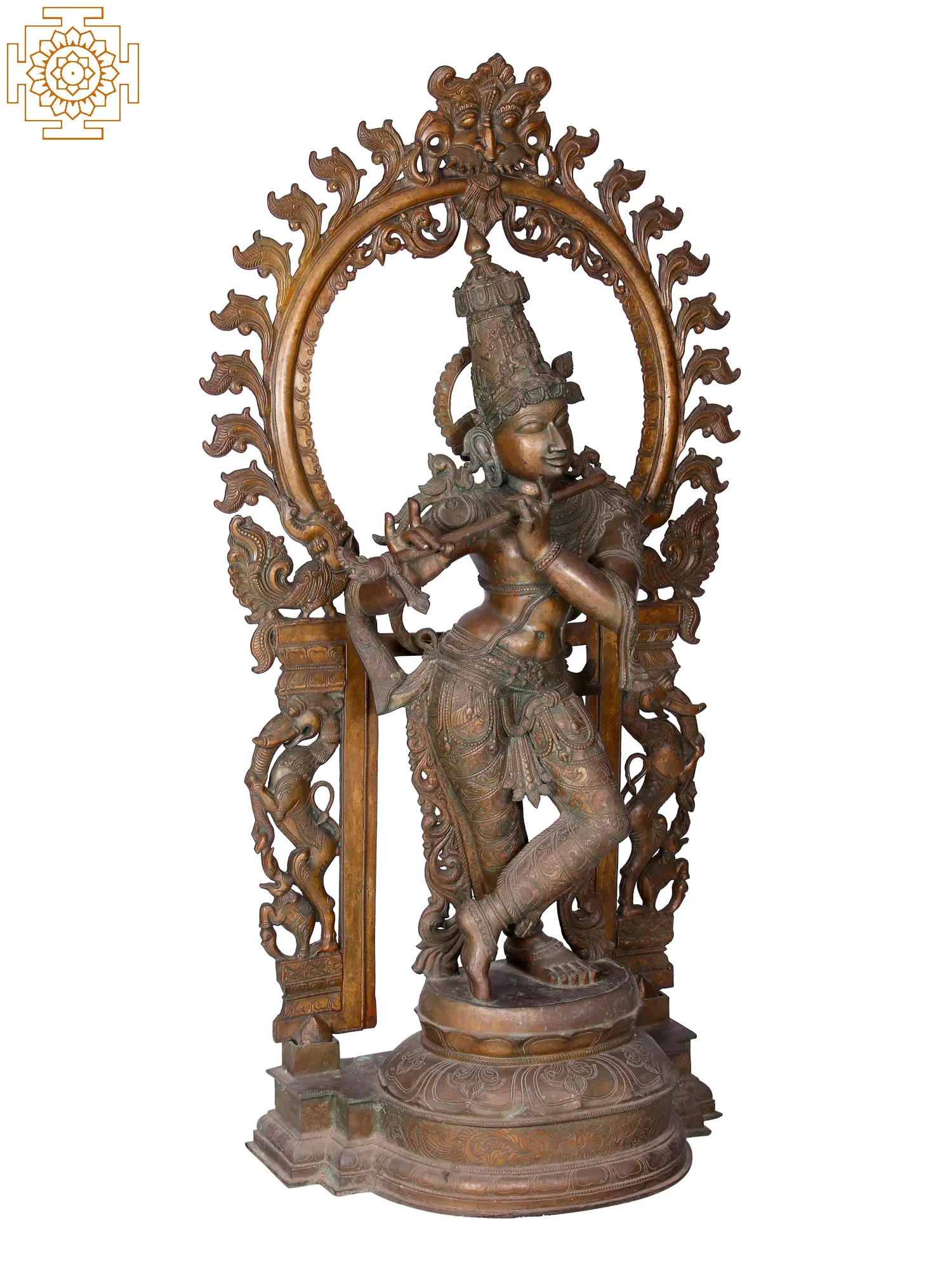
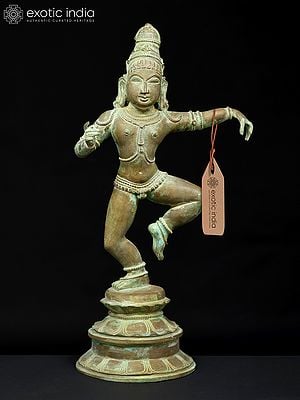
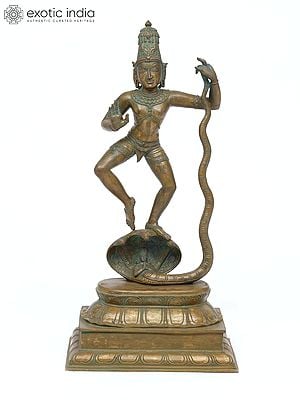
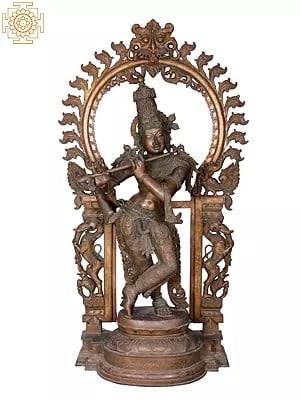
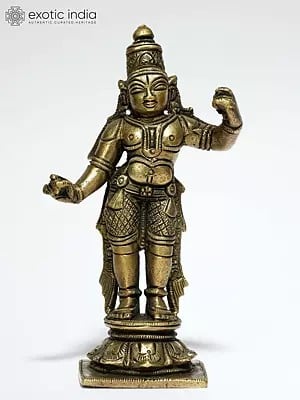
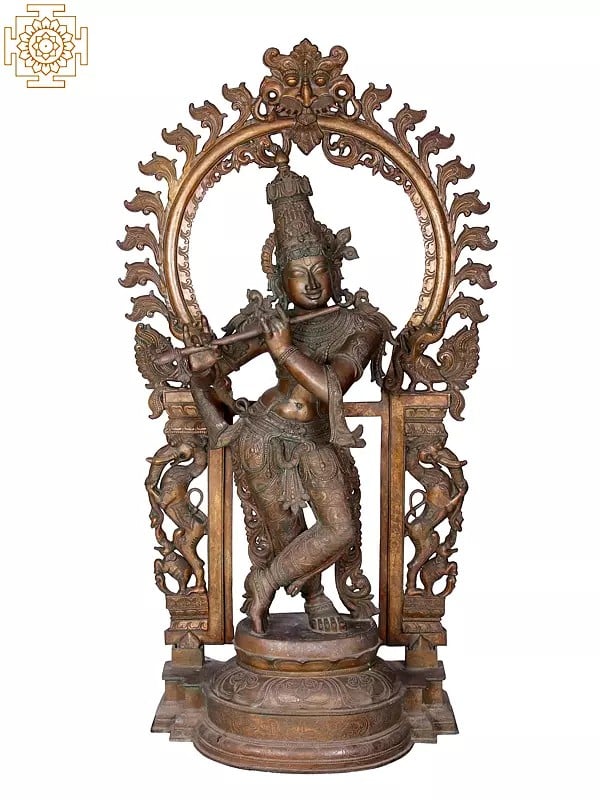
An incomparably complex bronze of the standing muralidhara Krishna. The handsome cowherd of Vrindavan is always depicted as possessed of (‘dhara’) the flute (‘murali’), with His form jutting out laterally (‘bhanga’) at three (‘tri’) different junctures in the tribhanga stance.
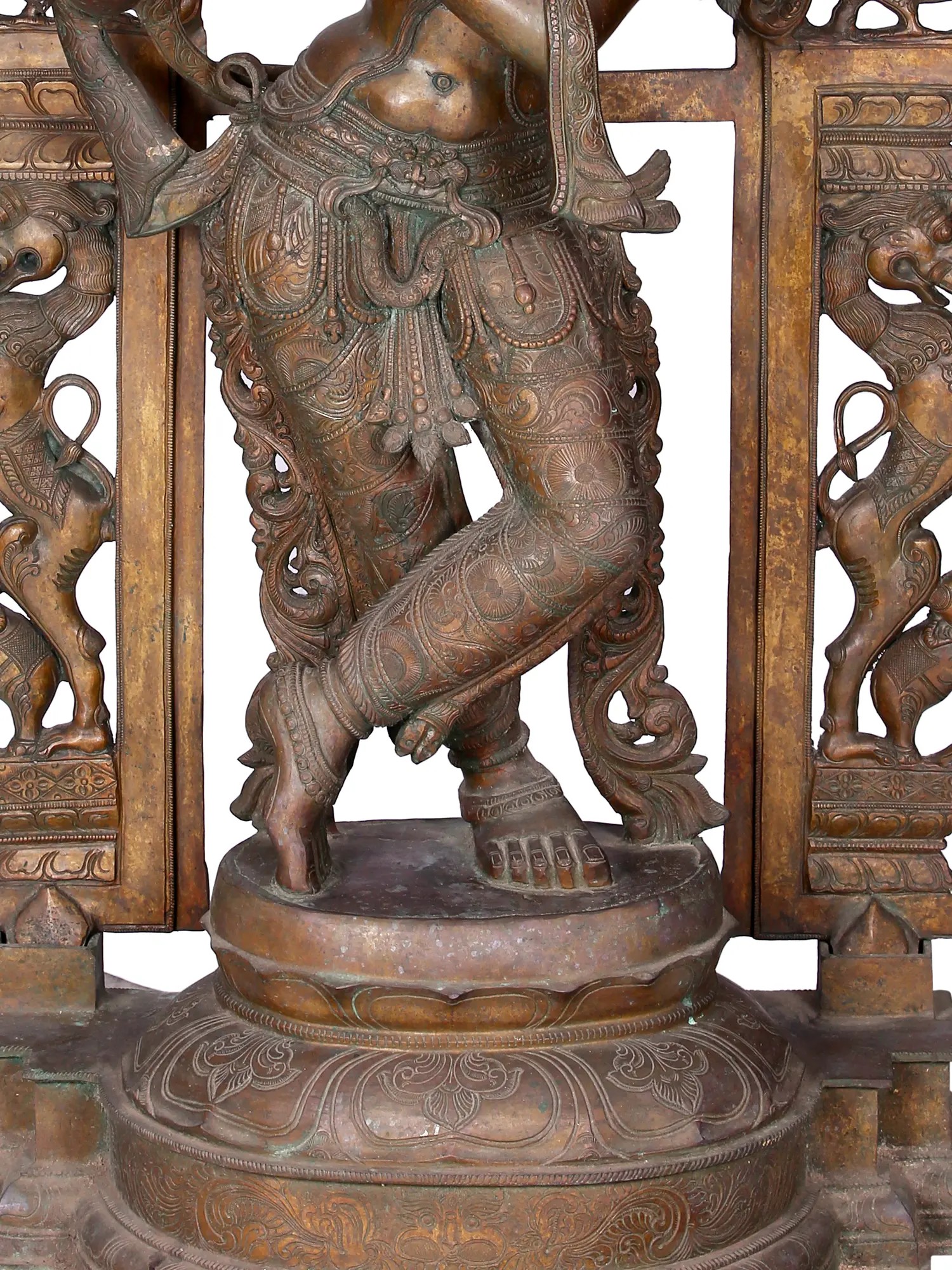
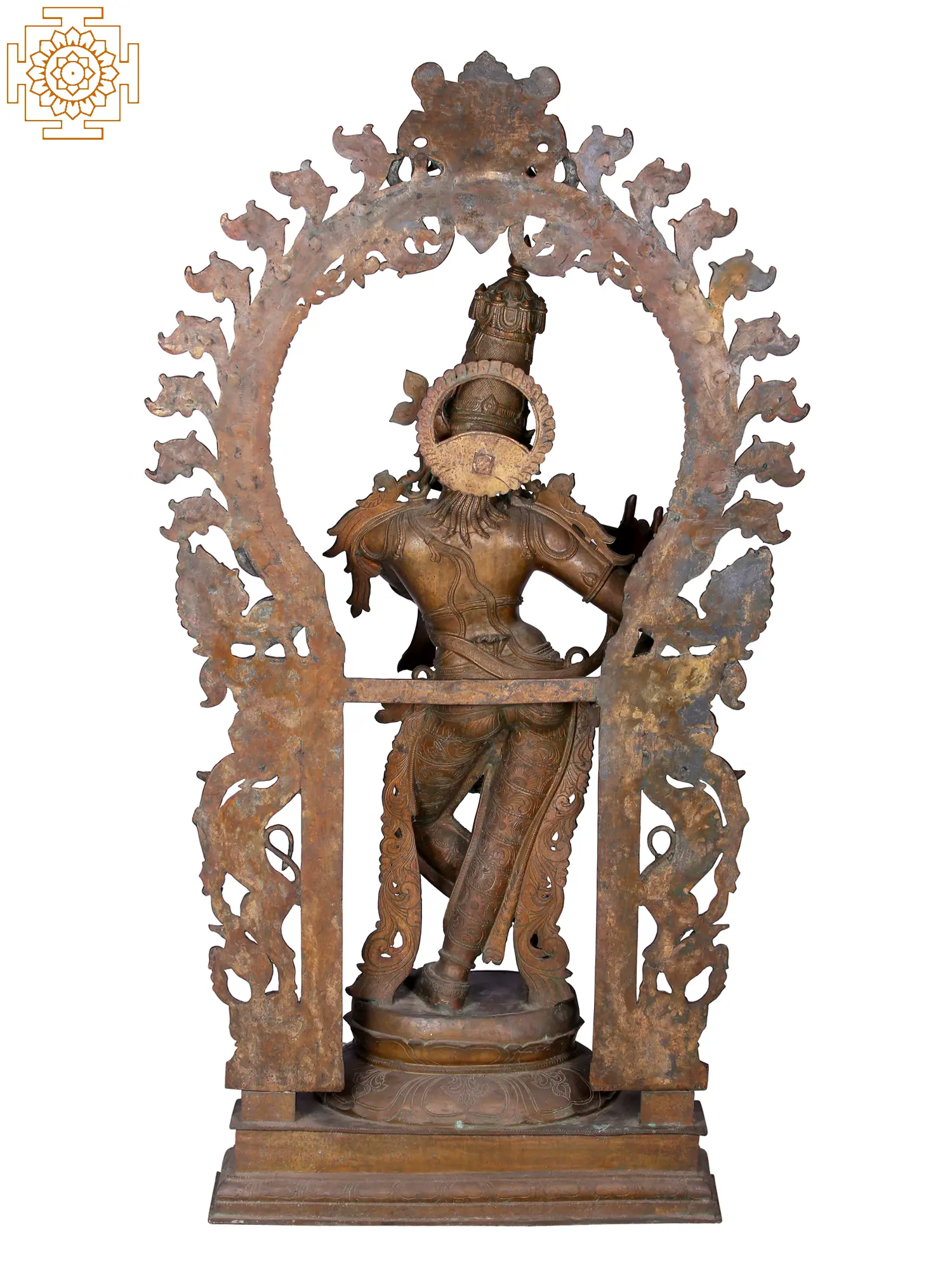
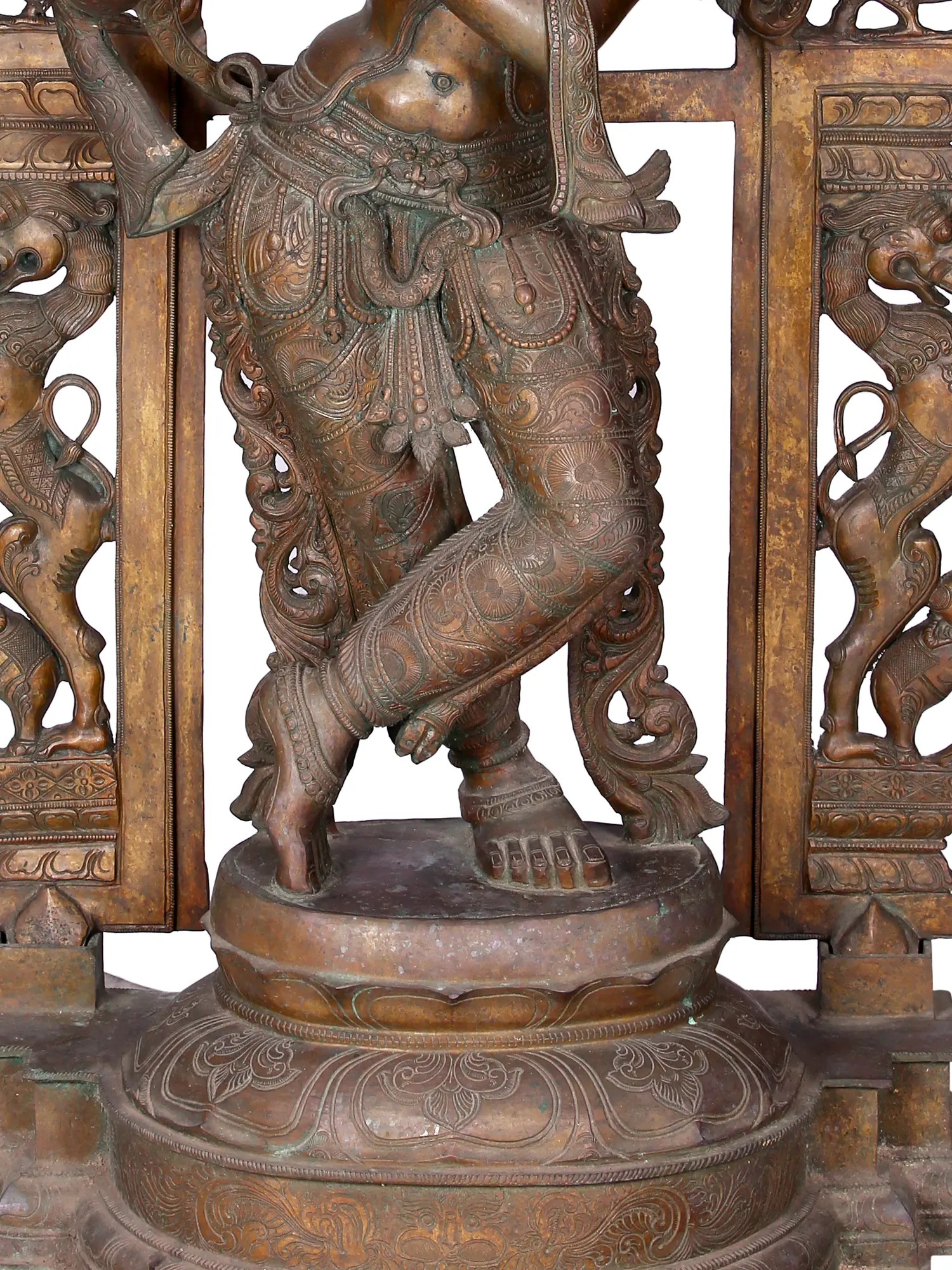
The Krishna murti that you see on this page is set apart by the wealth of aesthetic and iconographical detail, as well as the lifelike quality imbued in the composure of countenance and body language. The colour finish is earthy, almost brown; there are overtones of golden colour along the Yali pillars and the perfectly circular archway above the Lord’s crown.
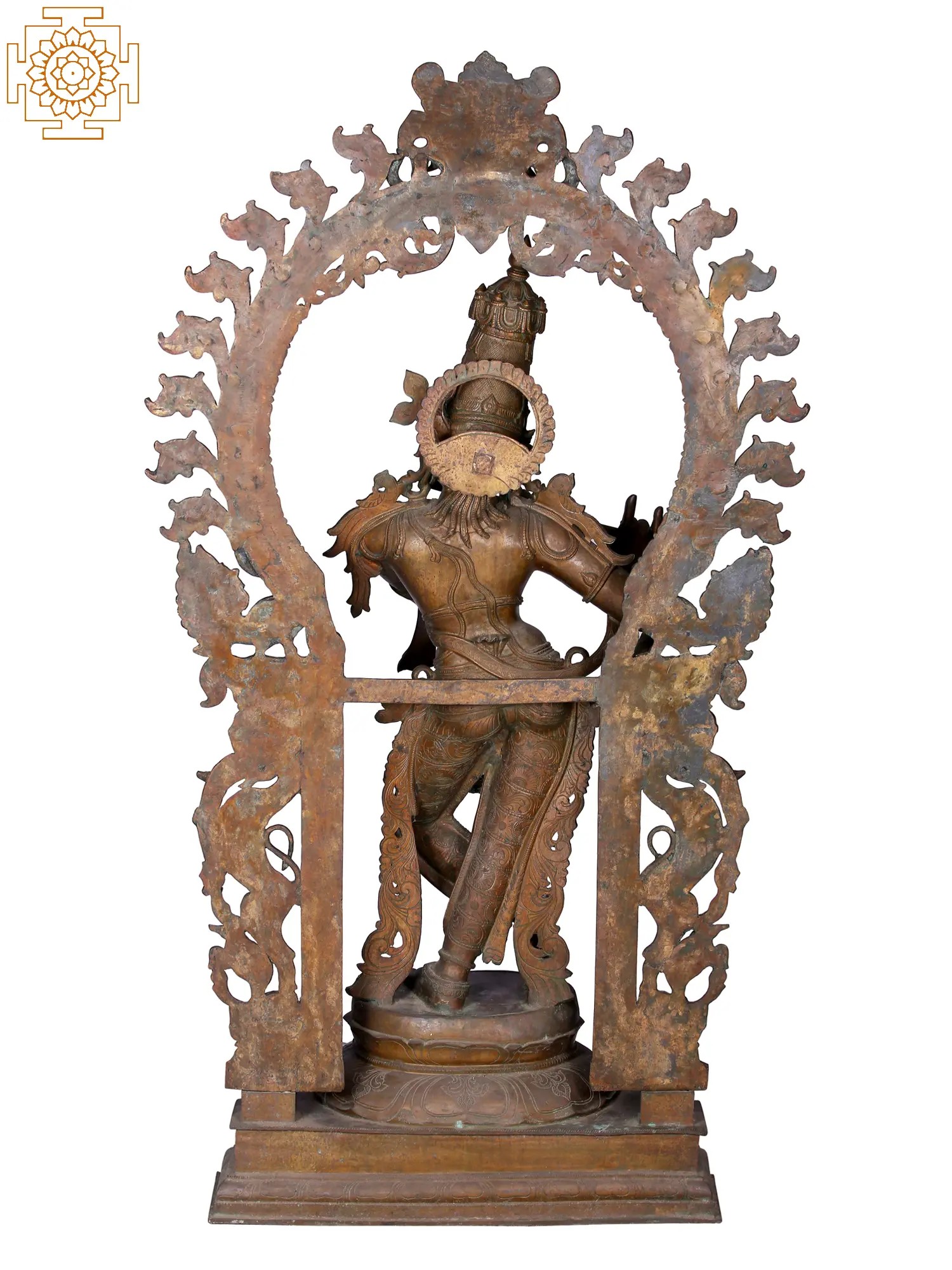
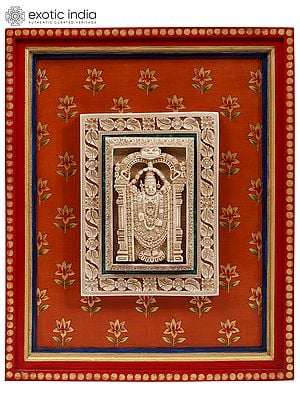
From the many-tiered pedestal to the pillar-and-archway framing the tribhanga murari in the centre, this Krishna sculpture is a reproduction of traditional South Indian temple art. Its most striking aspect is that the Yali on each side is an amalgam of the three different types of Yali: ashvayali (hindquarters), gajayali (tusks), and simhayali (mane).
The Divine Melodies of Krishna
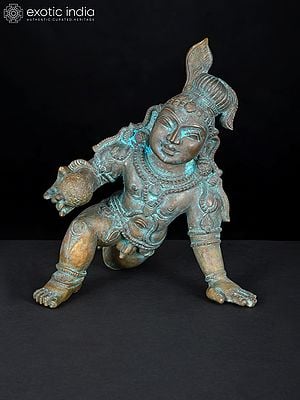
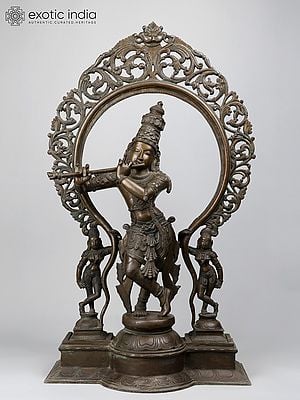
Experience the ethereal charm of Lord Krishna, the beloved deity of compassion, joy, and divine love, captured in this magnificent Panchaloha bronze statue. Standing at an impressive height, this artwork embodies the grace and artistry of traditional South Indian metal casting, specifically the renowned Madhuchista Vidhana, or lost-wax, technique. The lost-wax method, a testament to the skill of ancient artisans, involves creating an intricate wax model that is then encased in clay. When heated, the wax melts away, leaving a hollow mold into which molten metal is poured. This laborious process ensures every detail is rendered with astonishing precision, a tradition passed down through generations in Swamimalai, a hub for such exquisite craftsmanship.A Captivating Pose, a Timeless Story
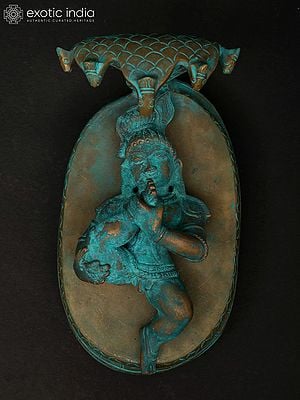
This sculpture depicts Krishna in his iconic pose, his flute raised to his lips, ready to play the enchanting melodies that captivated the hearts of the Gopis and the entire universe. His form is lithe and dynamic, conveying a sense of joyful movement. His serene gaze, cast downwards, suggests a moment of deep concentration and boundless affection. Adorned with intricately detailed ornaments and flowing garments, the divine figure is brought to life through the masterful work of the sculptors. The majestic arching backdrop, embellished with ornate motifs and mythical creatures, further enhances the celestial aura of the composition. Each element, from the delicate curls of hair to the fine lines of his attire, speaks of devotion and artistic excellence.Echoes of Myth and Devotion
Lord Krishna, an avatar of Vishnu, is a central figure in Hindu mythology, celebrated for his divine playfulness, wisdom, and role in the epic Mahabharata. The sound of his flute, the Bansuri, is said to possess a magical quality, capable of transcending the mundane and transporting listeners to a realm of spiritual ecstasy. Legends tell of how his music could mesmerize all living beings, causing even the rivers to stop their flow and the trees to blossom out of season. This statue serves as a tangible reminder of these profound narratives, inviting contemplation and spiritual connection. The use of Panchaloha, a sacred alloy of five metals (gold, silver, copper, zinc, and iron), is believed to bestow unique spiritual properties and longevity upon the deities cast from it.A Masterpiece of Craftsmanship
This exceptional piece is a testament to the enduring legacy of Indian bronze casting. The patina of the bronze, achieved through time and the artisanal process, lends a rich depth and character to the sculpture, making it appear as if it has graced sacred spaces for centuries. The sheer scale of the statue ensures it becomes a focal point in any setting, whether a grand temple hall, a meditation space, or a discerning collector's home. It is more than just an object; it is a vessel of divine energy and a celebration of artistic heritage, embodying the timeless appeal of Lord Krishna's divine presence.













 Upload an Image