The Lord of Animals
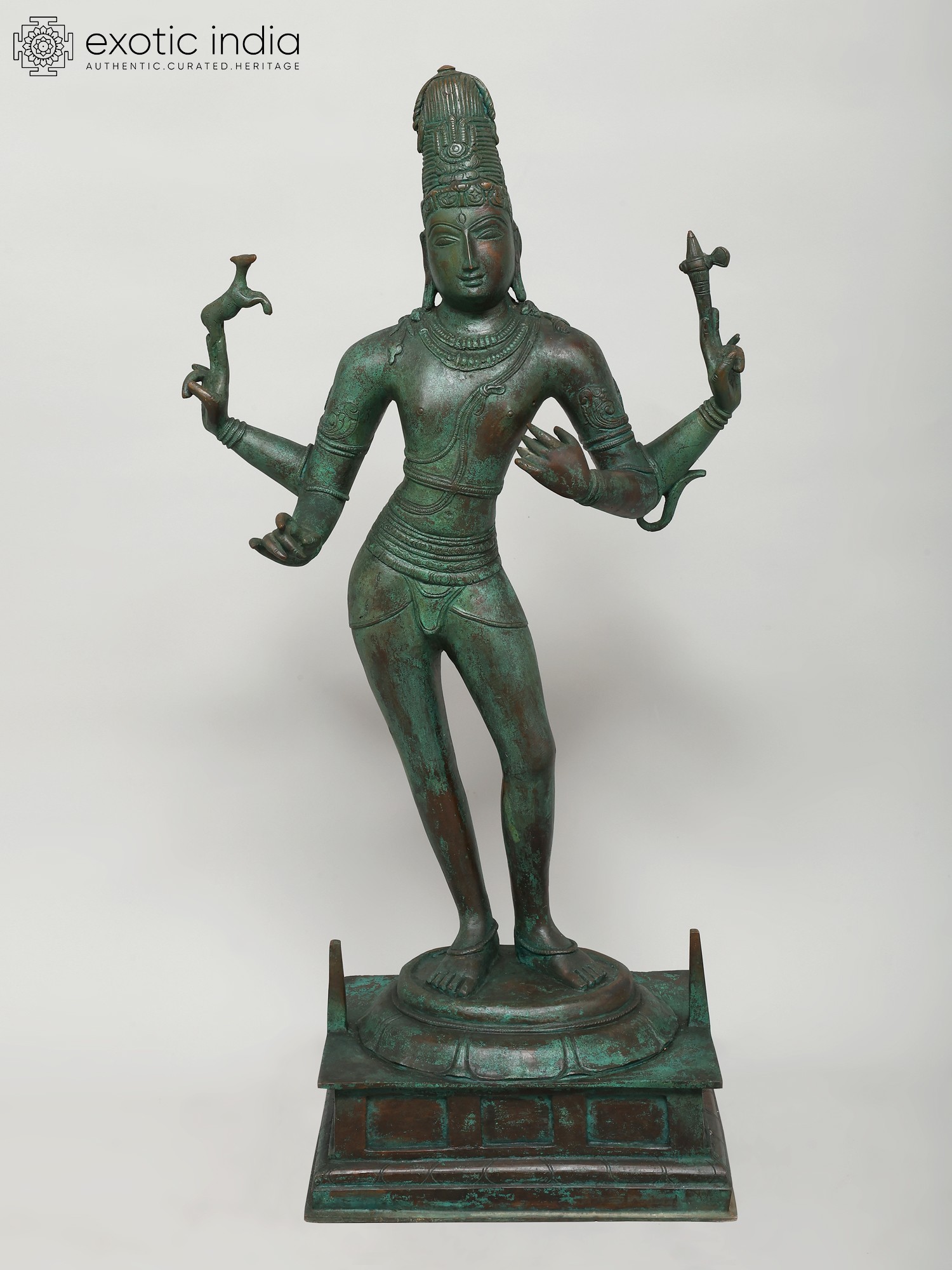
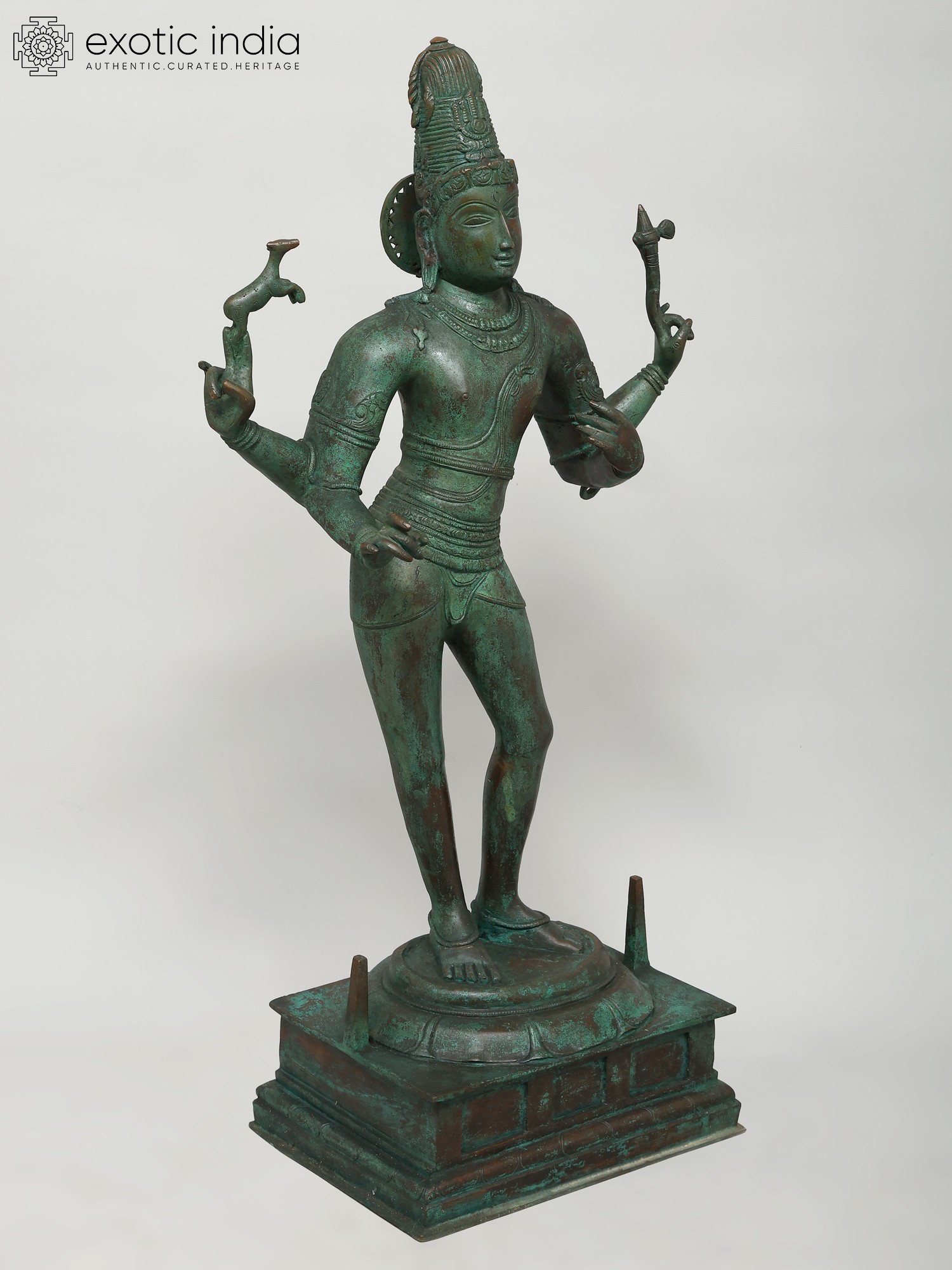
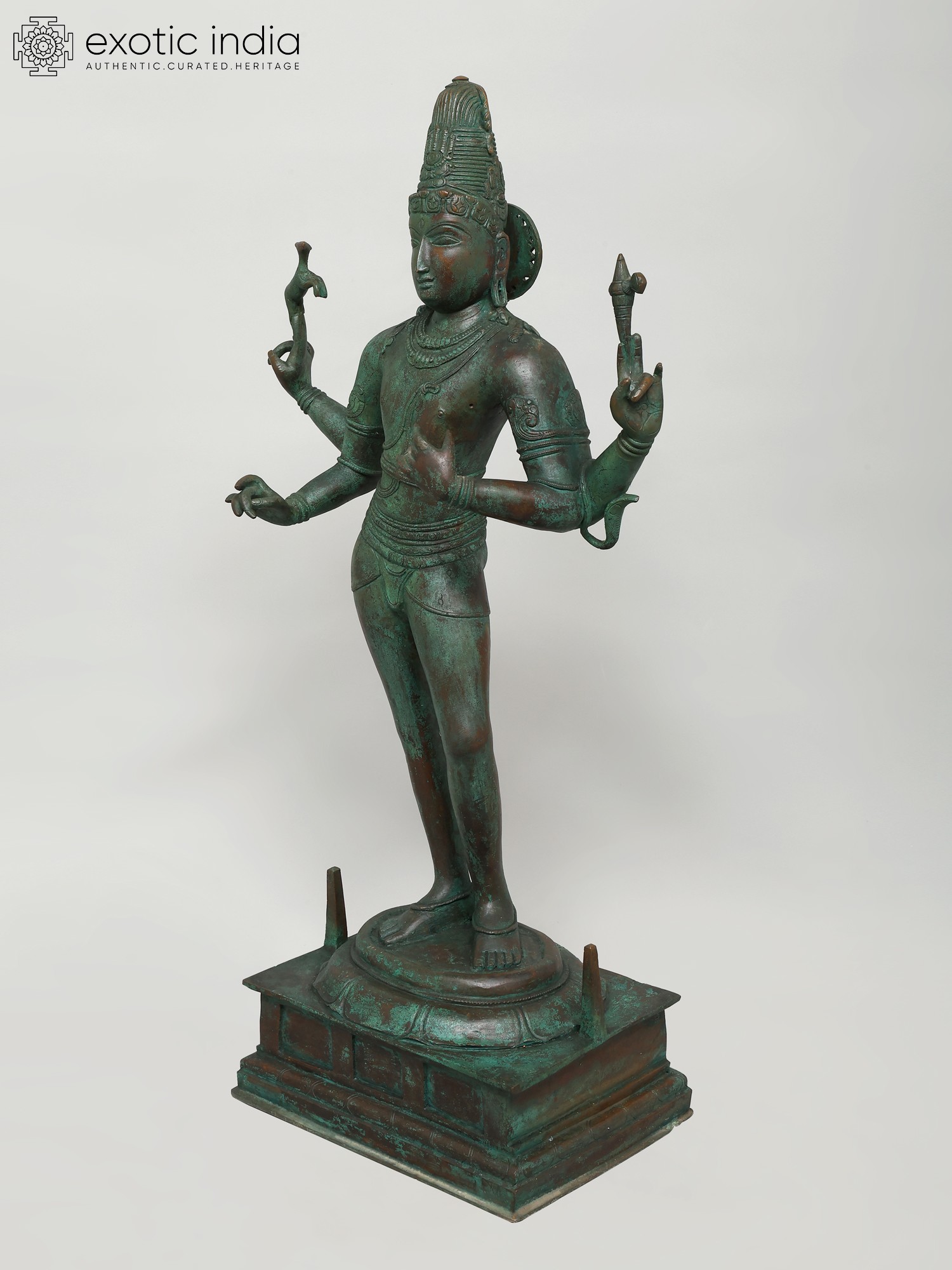
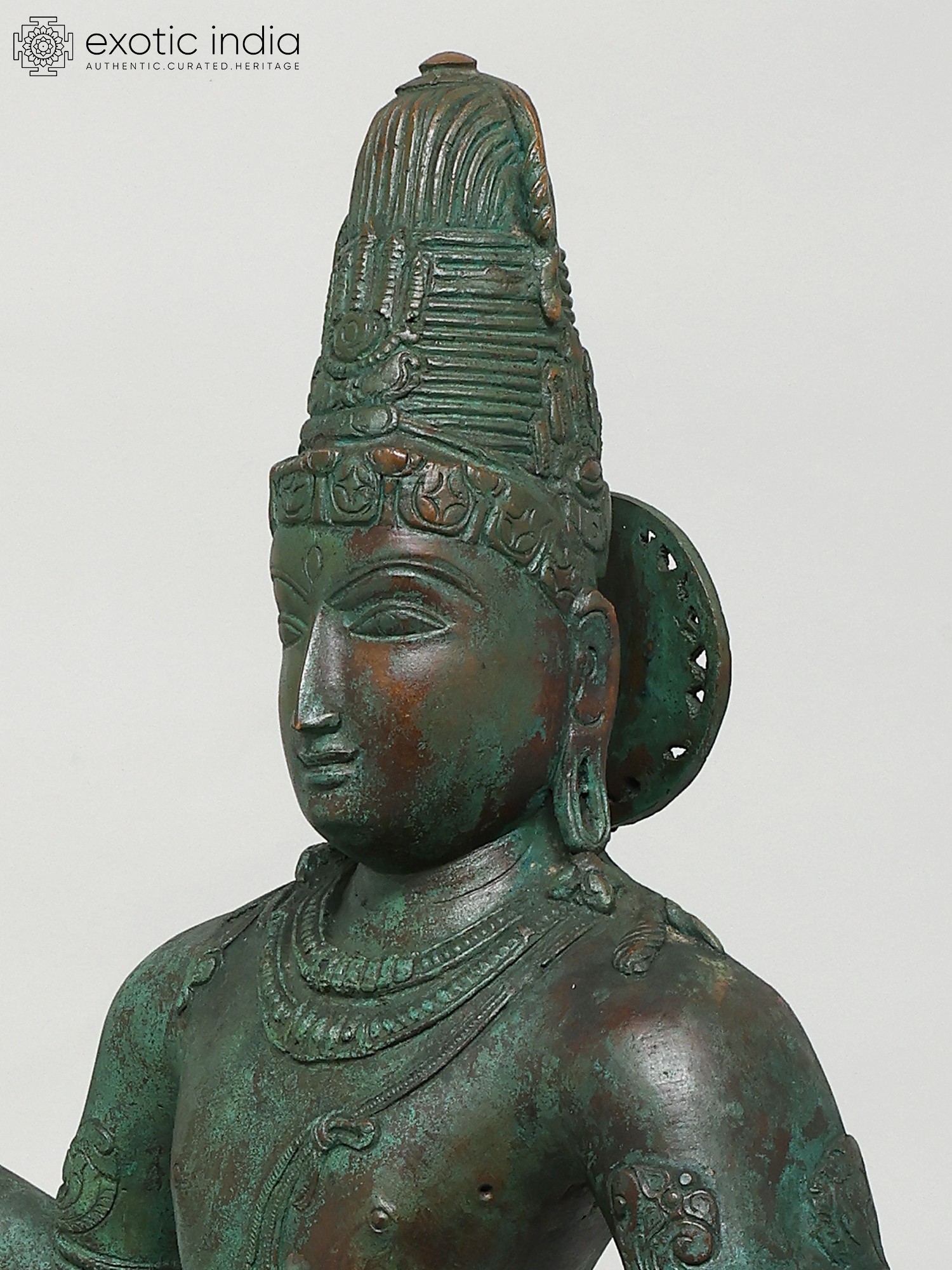
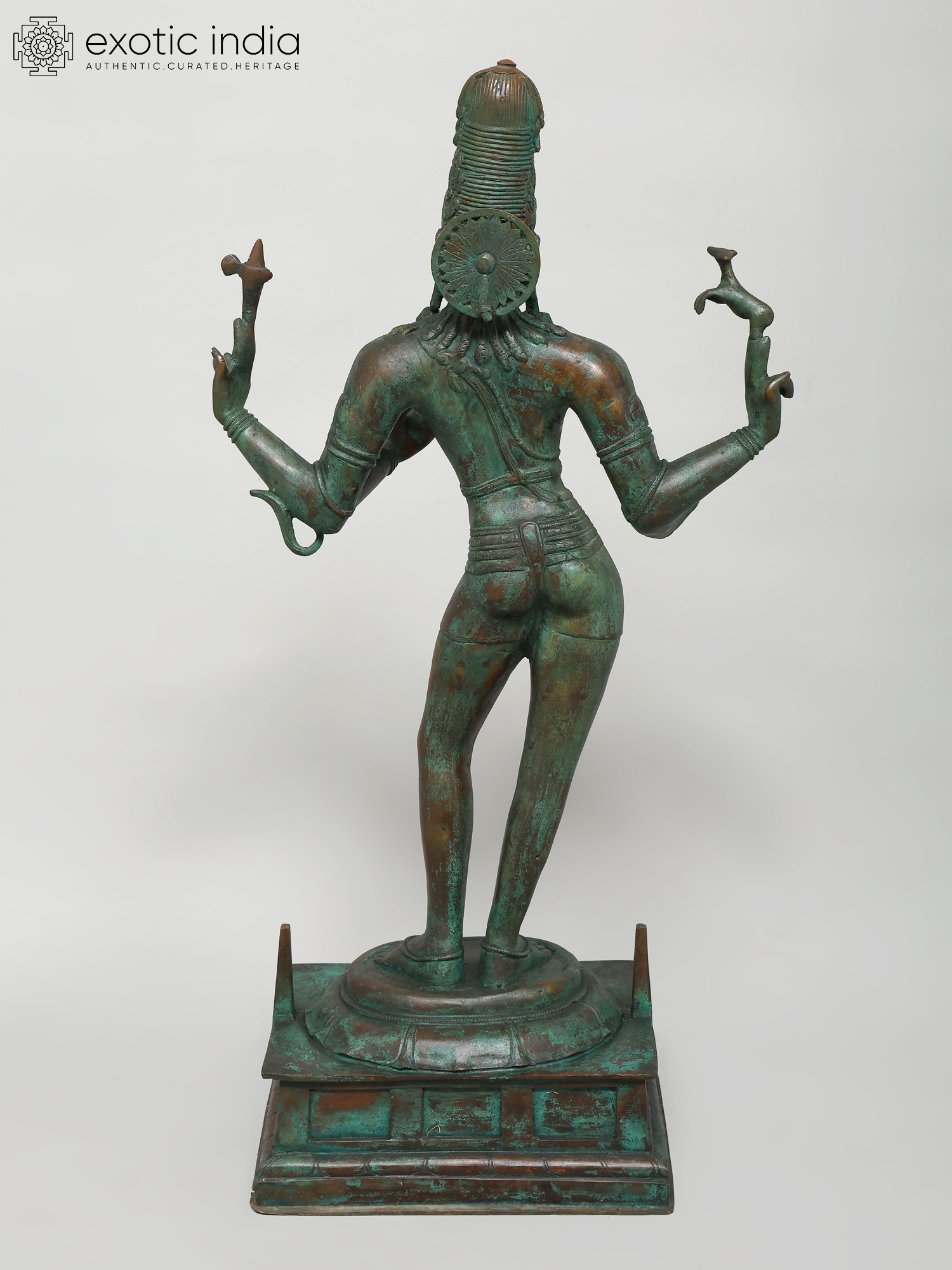
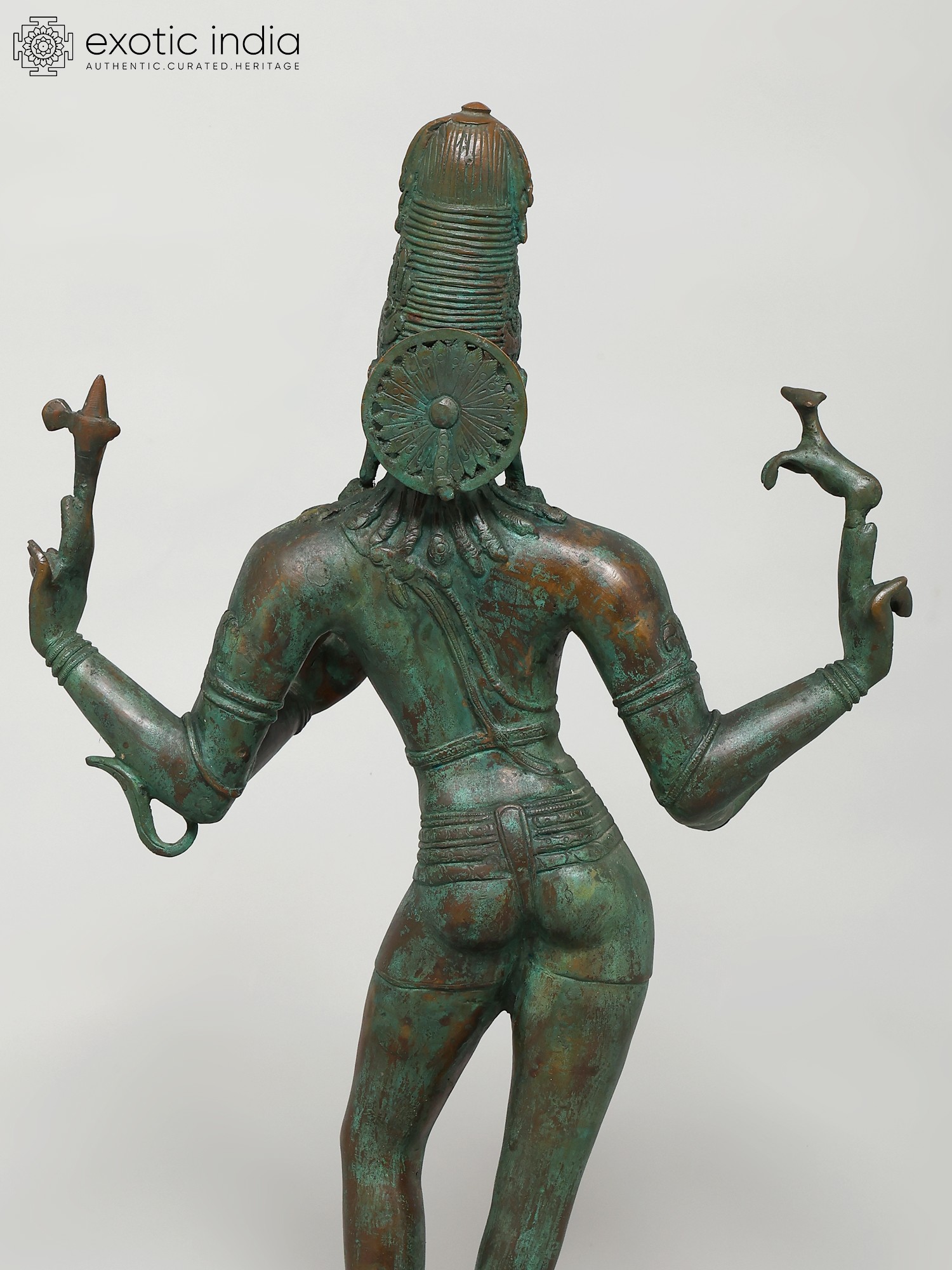
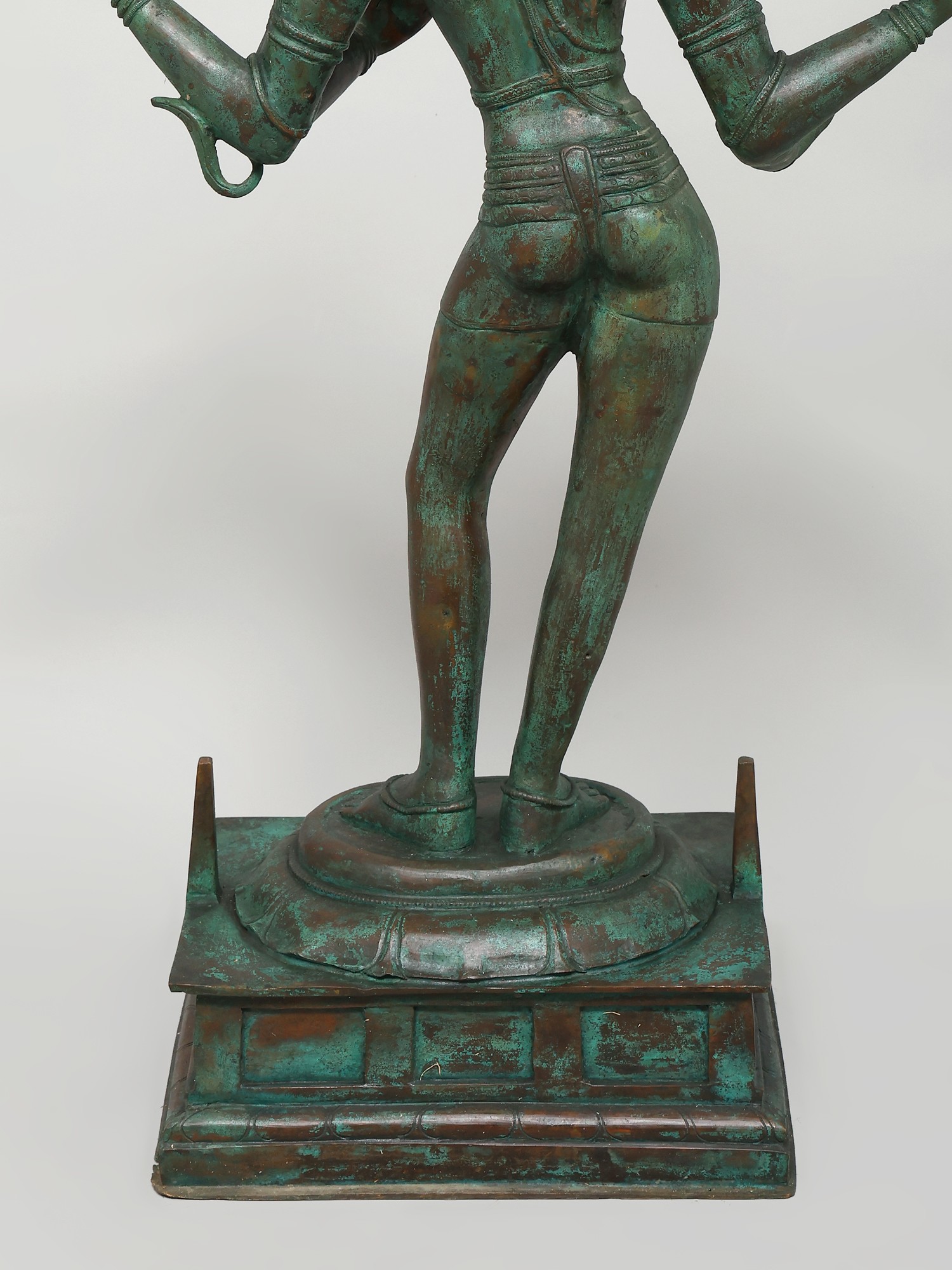
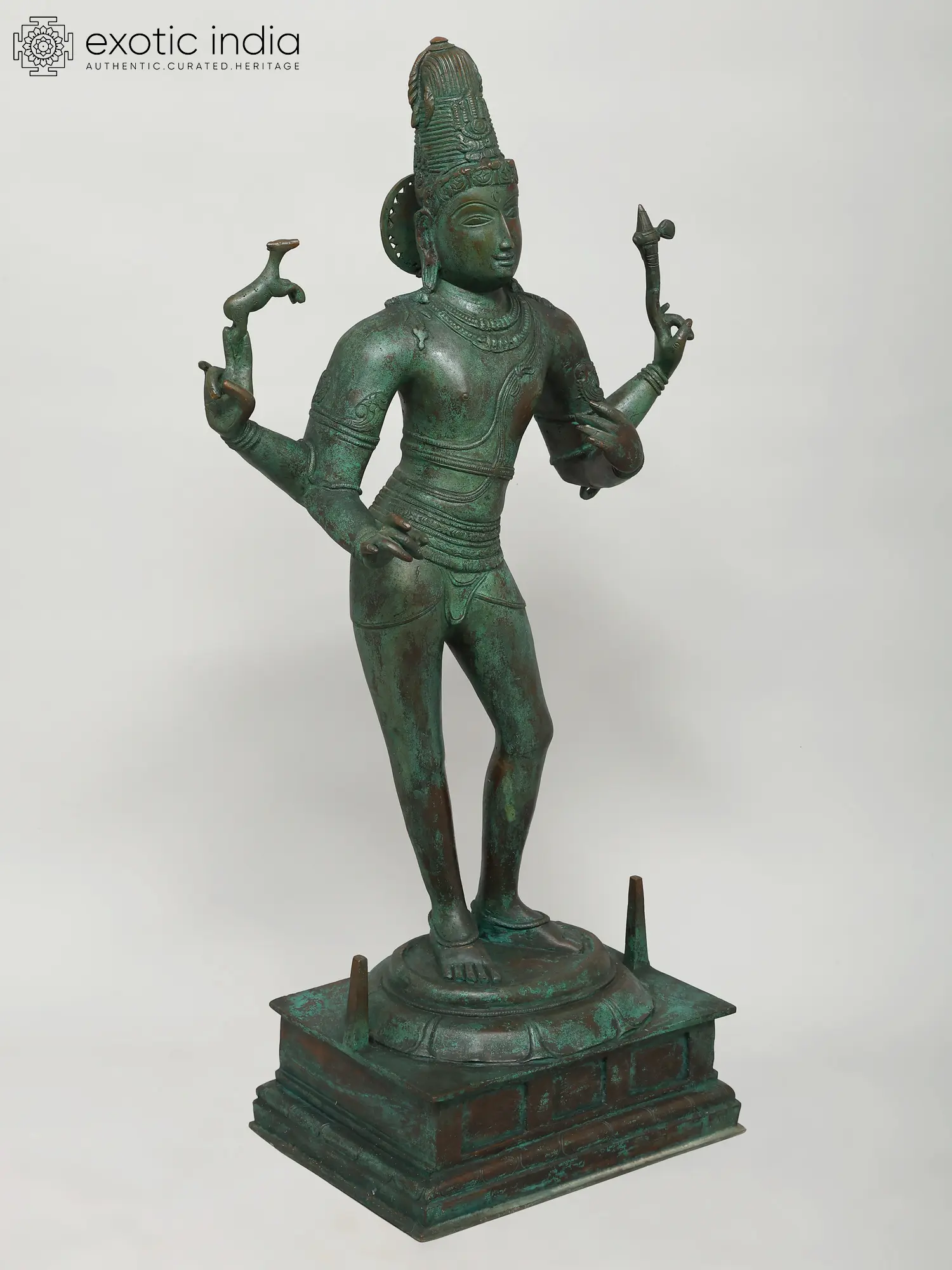
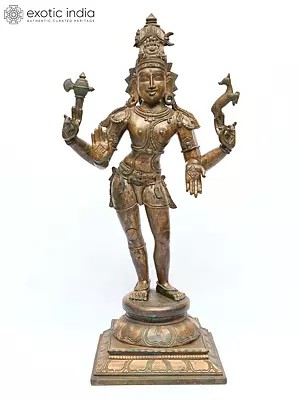
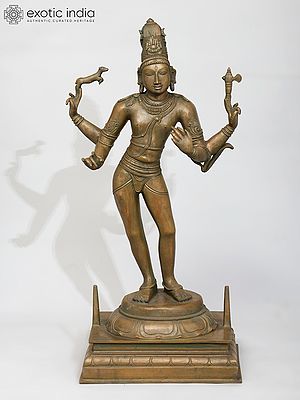
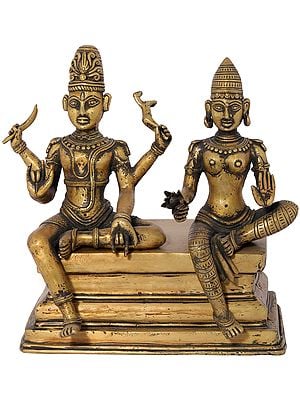
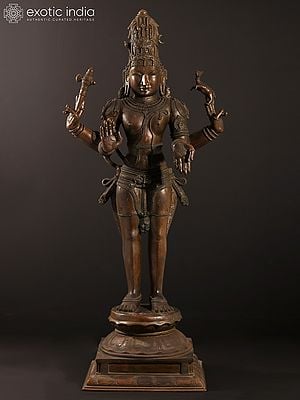
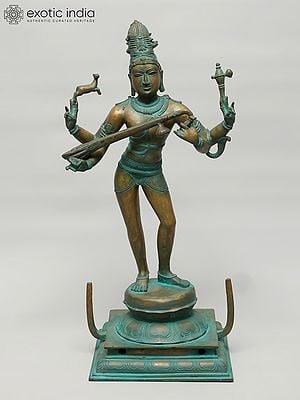
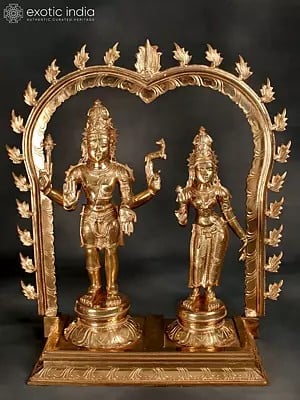
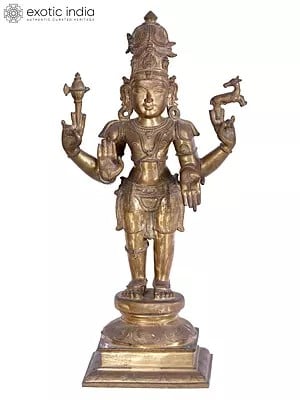
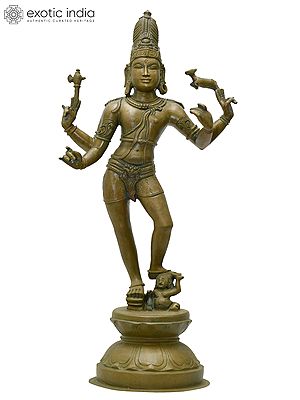
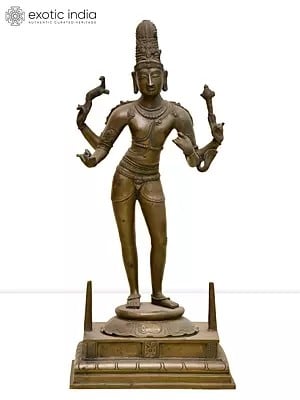
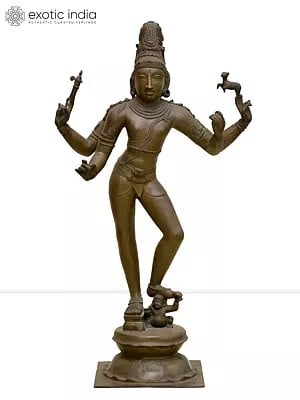
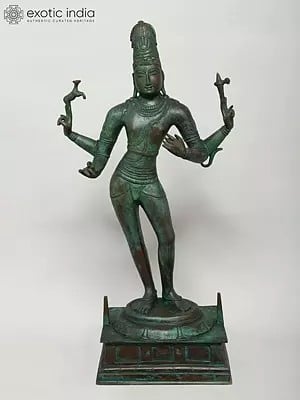
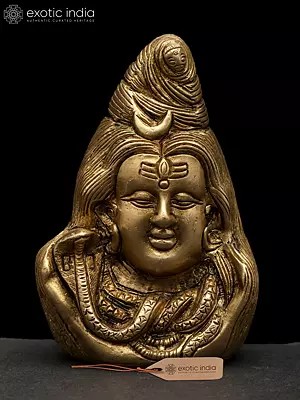
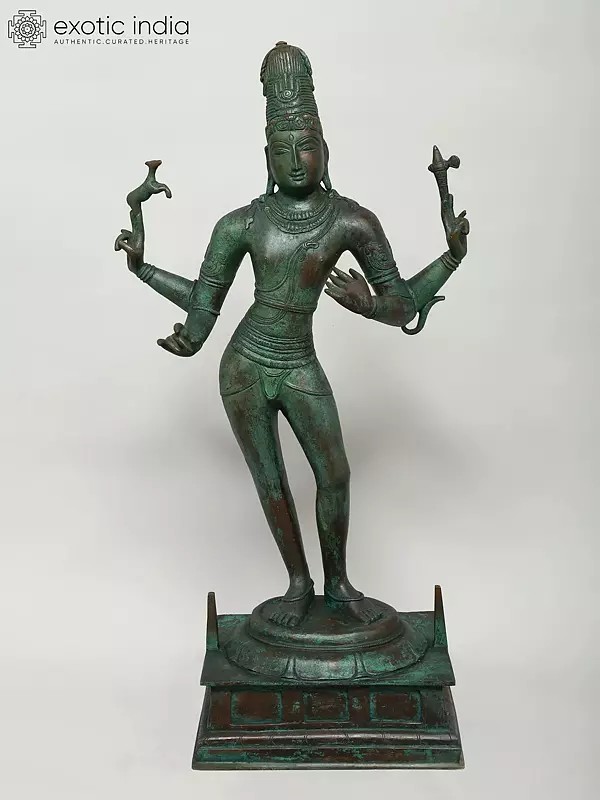
Behold the captivating representation of Lord Shiva as Pashupatinath, a powerful and benevolent aspect of the Hindu deity. This magnificent bronze statue, crafted using the ancient Madhuchista Vidhana, or lost-wax technique, stands as a testament to the enduring legacy of Swamimalai artistry. In this form, Shiva is revered as the protector and lord of animals, a gentle herdsman guiding all beings on their spiritual path. The very name "Pashupatinath" translates to "Lord of Animals," highlighting his compassionate role in nurturing and safeguarding the natural world and the creatures within it. He is not merely a ruler but a shepherd, tending to the needs and well-being of all living things. This imagery evokes a sense of harmony and balance, a recognition of the interconnectedness of all life under the watchful eye of the divine.Panchaloha: The Sacred Alloy
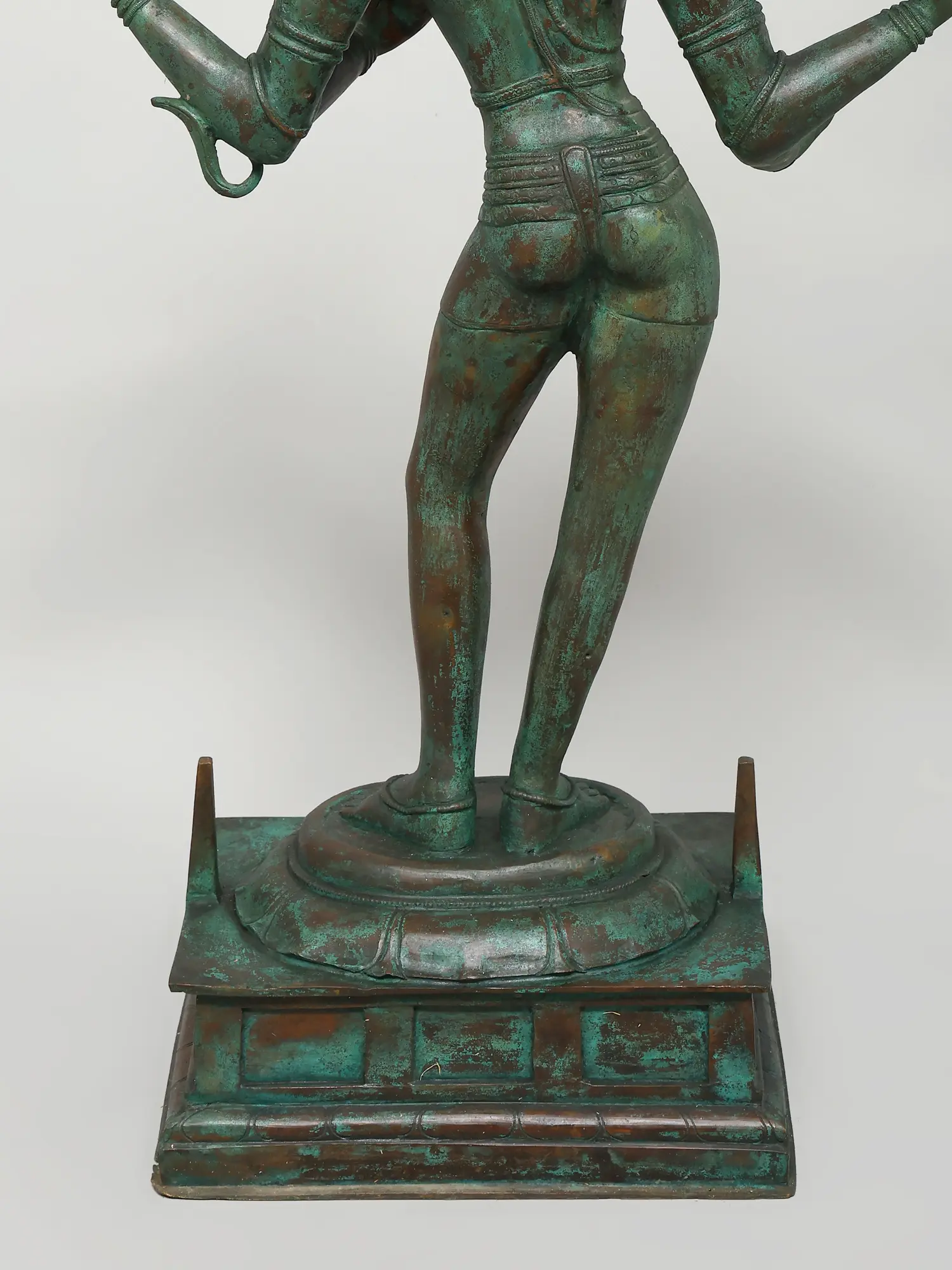
This remarkable statue is sculpted from Panchaloha, a traditional five-metal alloy held sacred in Hinduism. The specific metals, often a combination of gold, silver, copper, zinc, and iron, are carefully blended to create a unique resonance and spiritual potency. The use of Panchaloha is not merely for aesthetic appeal; it is believed to imbue the statue with divine energy, making it a powerful object of devotion and contemplation. The alloy's inherent durability also ensures that this sacred image will endure for generations, preserving its beauty and spiritual significance. The process of creating Panchaloha idols is steeped in tradition and ritual, performed by skilled artisans who are dedicated to their craft and understand the deep spiritual meaning of their work.A Glimpse into Mythology and Symbolism
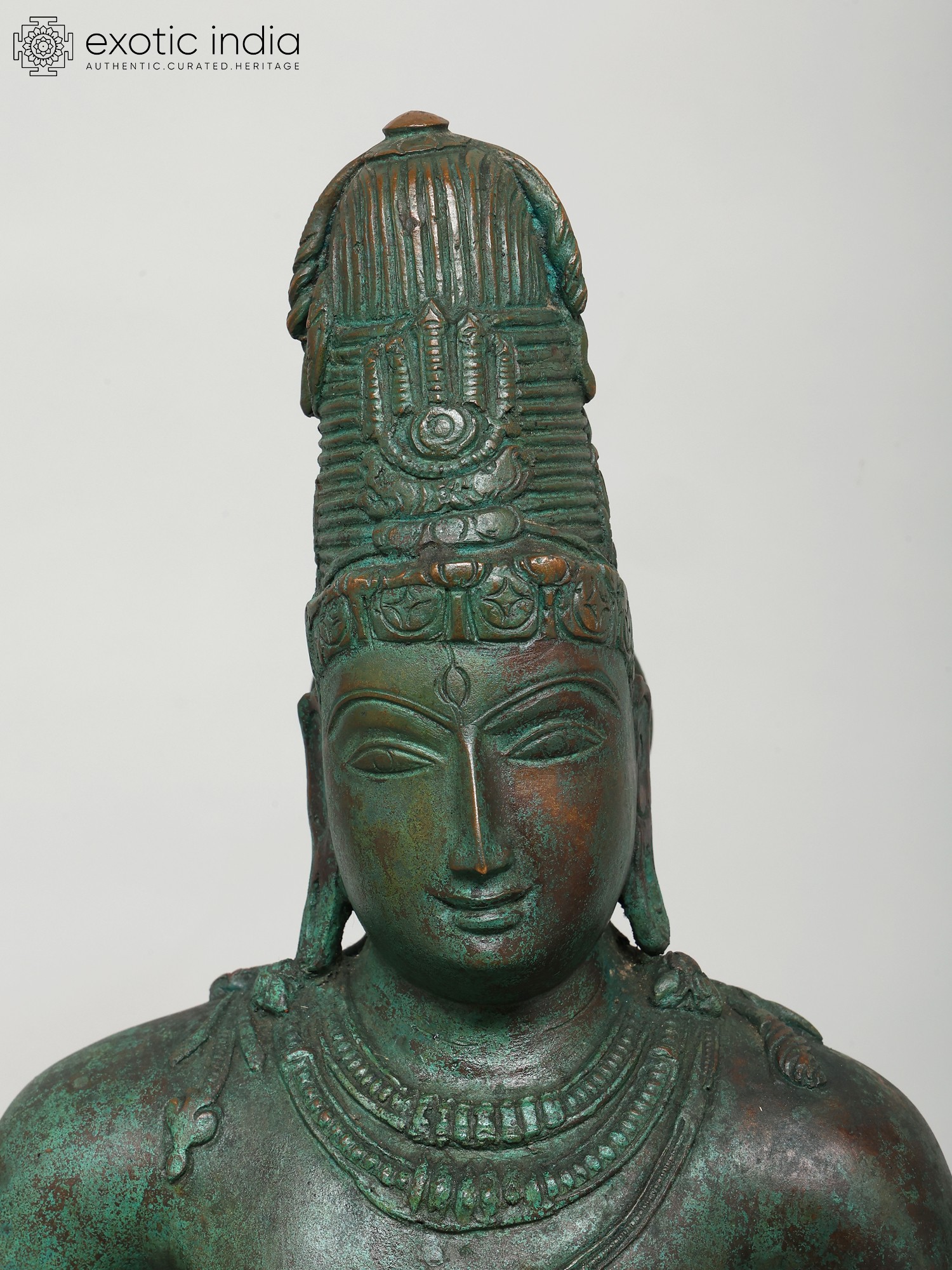
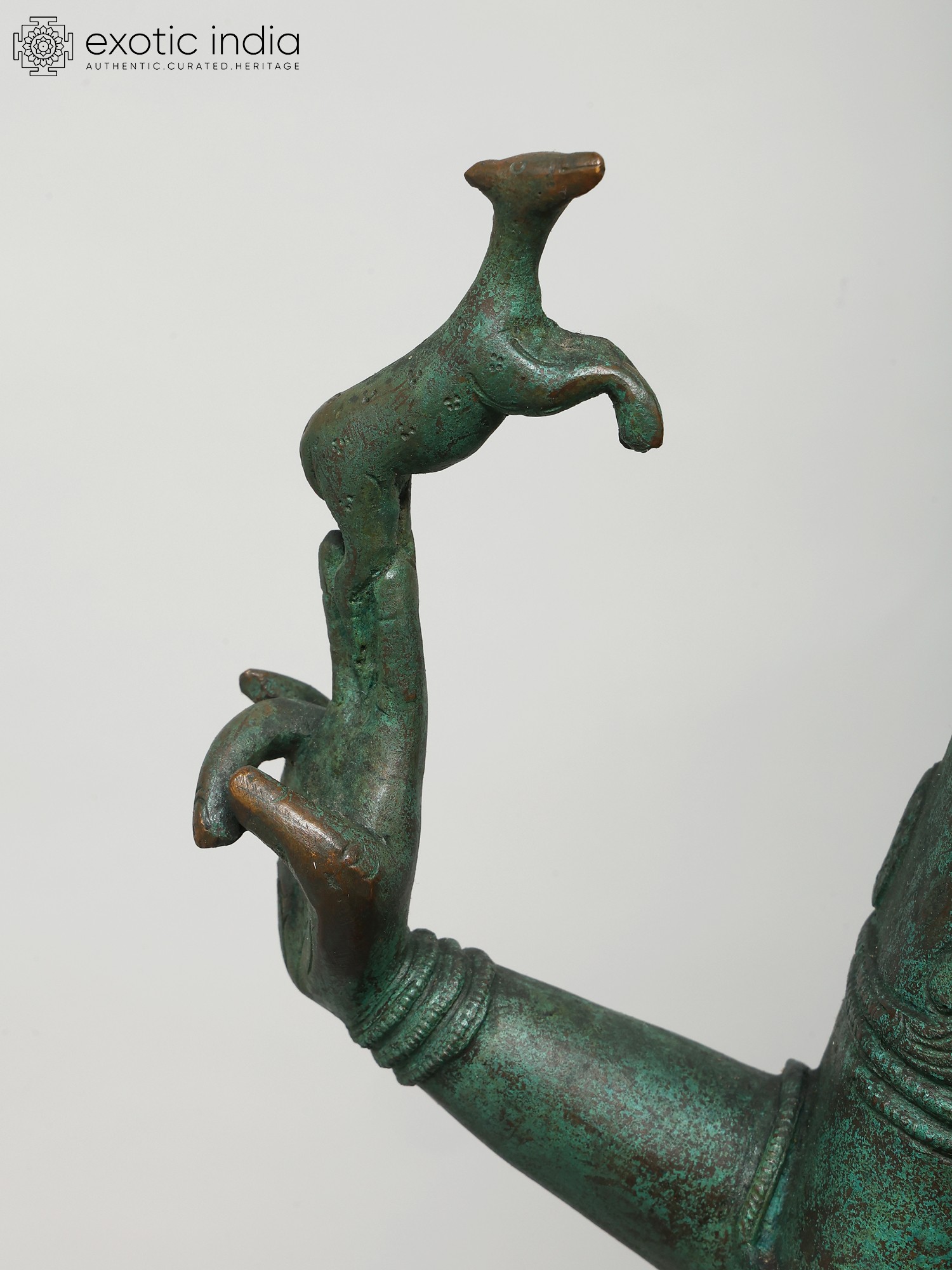
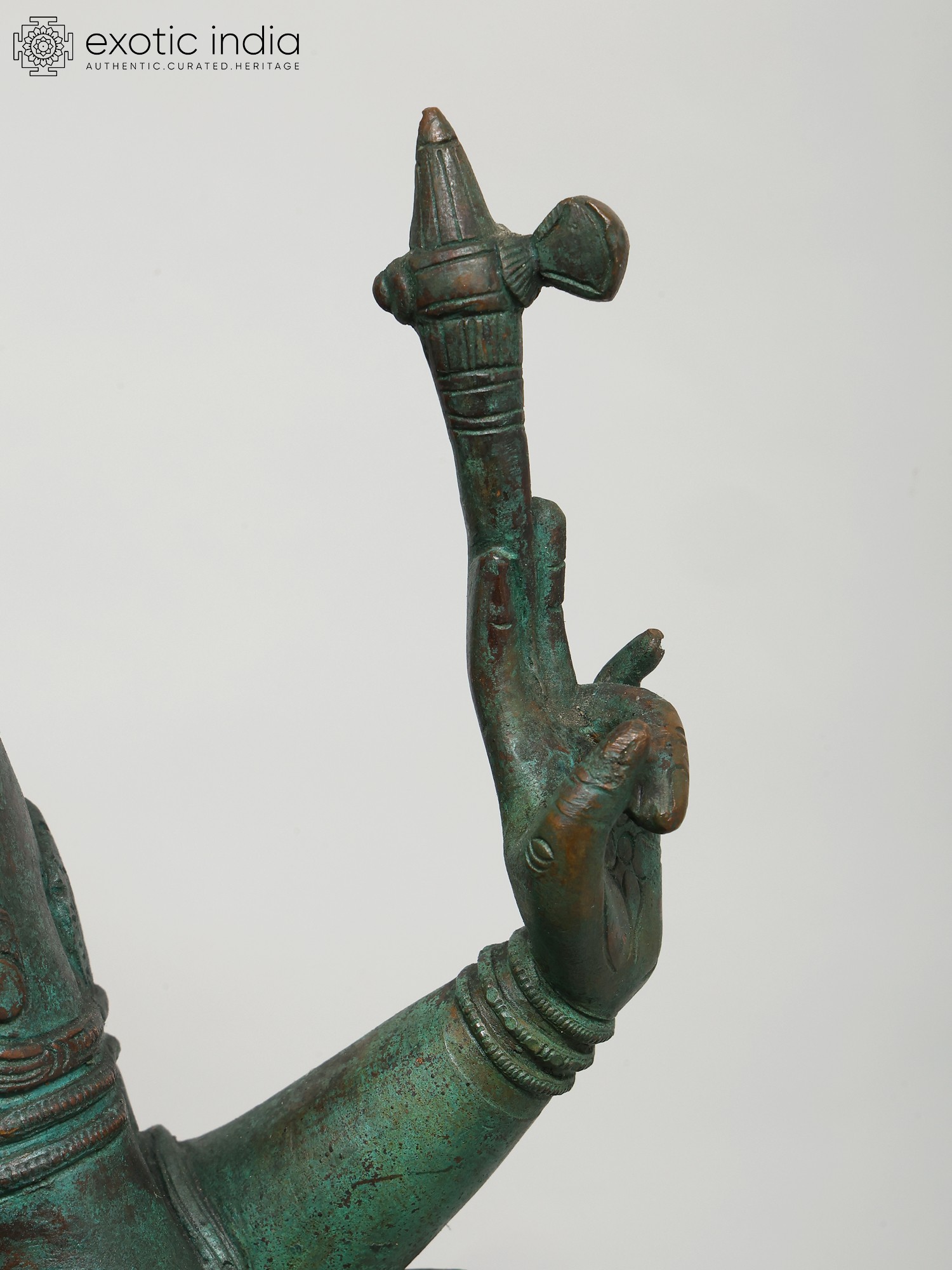
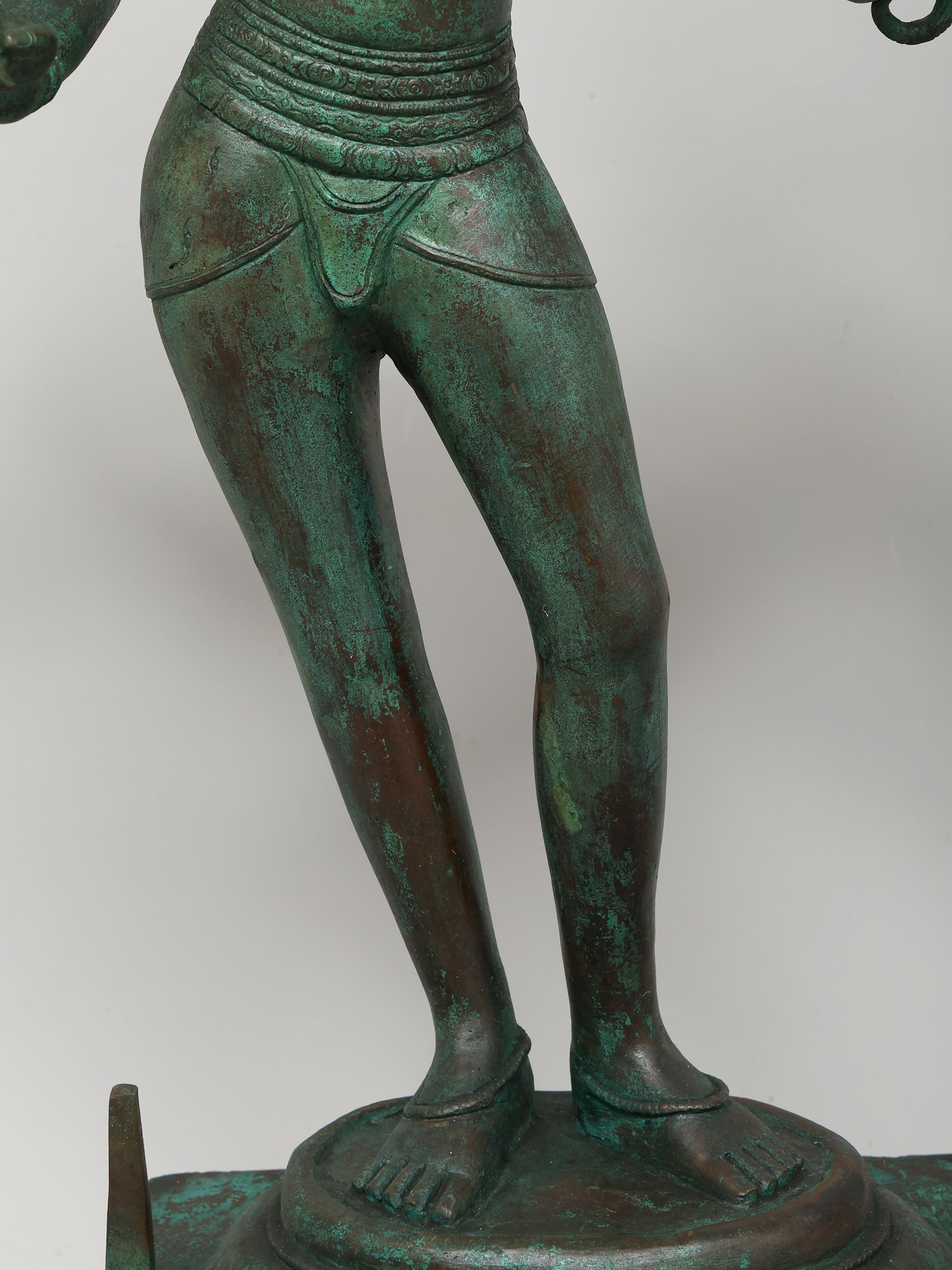
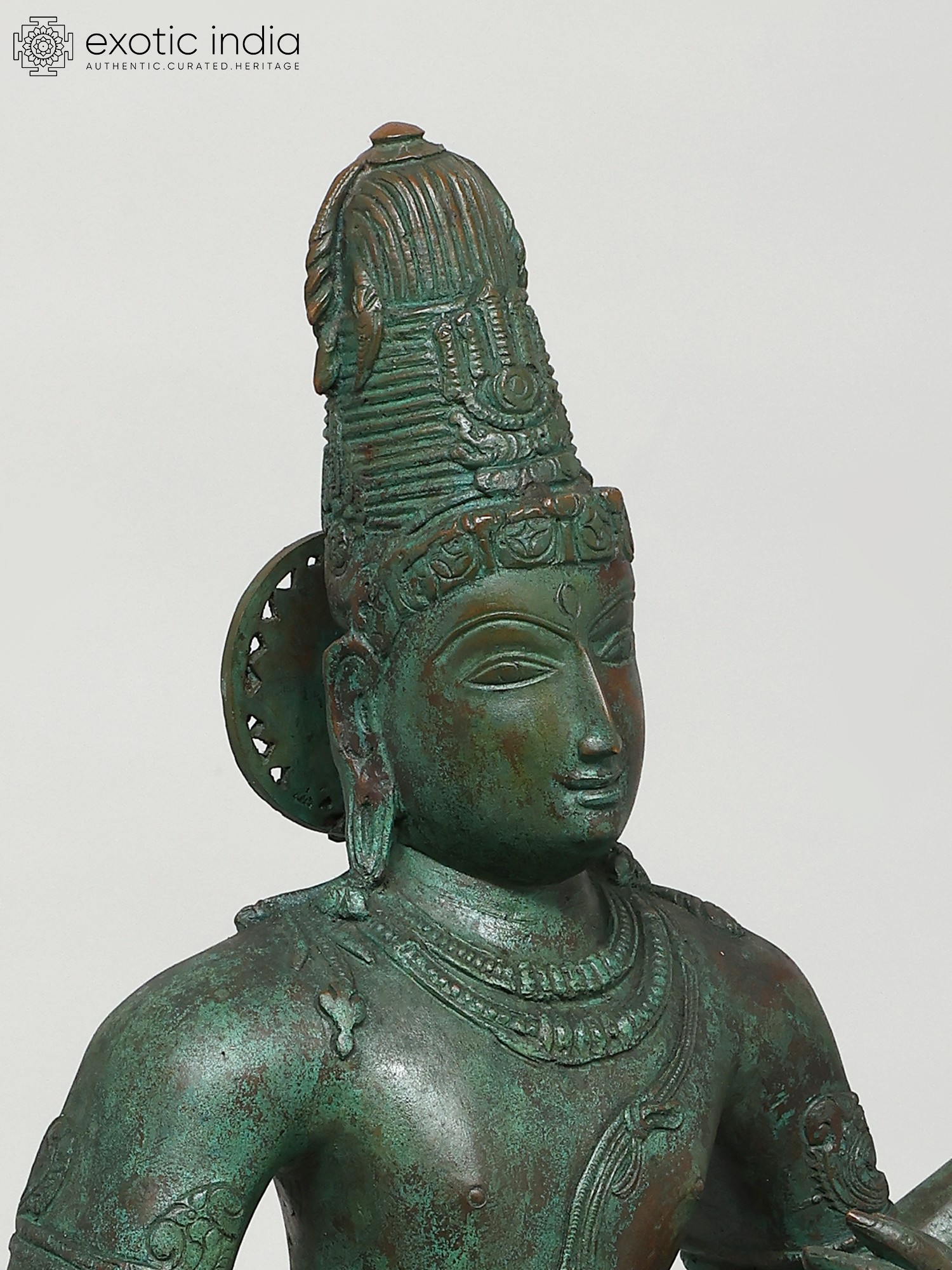
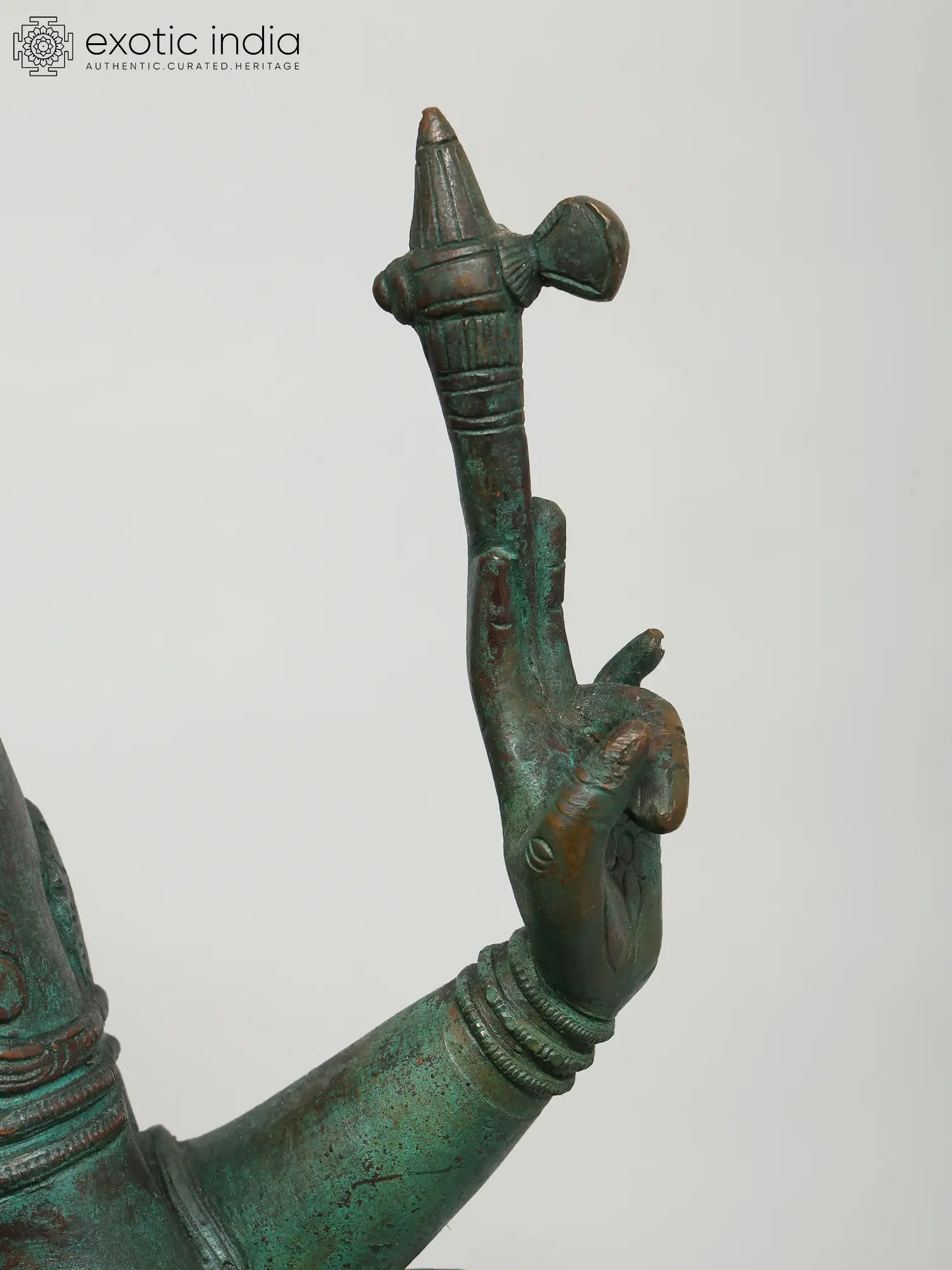
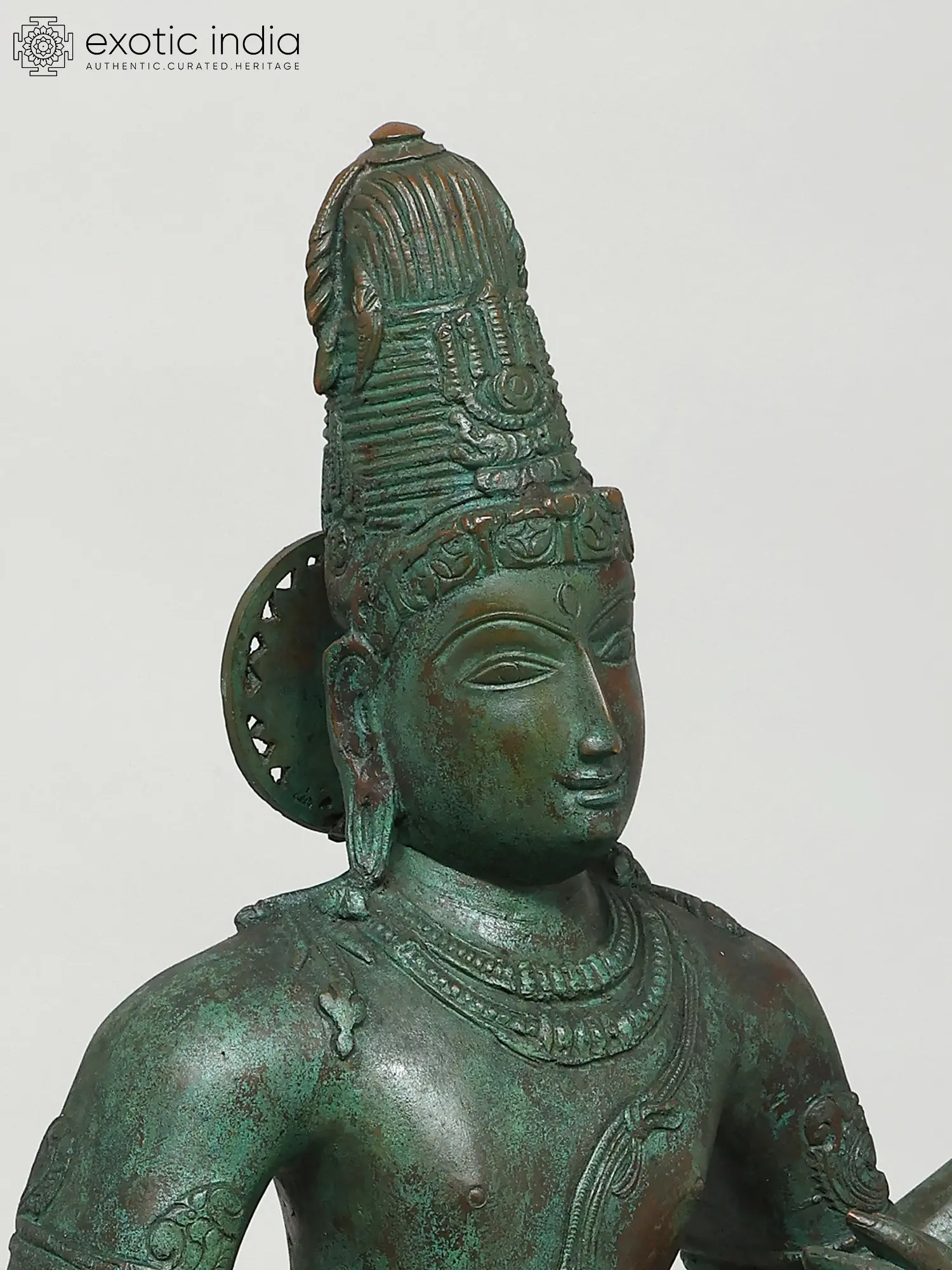
The form of Lord Shiva as Pashupatinath is rich with symbolic meaning. In many depictions of Pashupatinath, Shiva is adorned with attributes associated with nature and animal life, often carrying a staff or a rope to guide his flock. The posture of the statue, with its gentle stance and open hands, exudes a sense of peace and acceptance. The mudras, or hand gestures, may convey blessings, protection, and the dispelling of fear. Each detail of the statue, from the intricate adornments to the serene expression on Shiva's face, contributes to the overall message of compassion, guidance, and the sanctity of all life. The iconography often includes depictions of animals surrounding Shiva, further emphasizing his role as their protector. Tales abound of Shiva's interactions with animals, demonstrating his empathy and ability to communicate with them.The Legacy of Swamimalai
This exquisite sculpture originates from Swamimalai, a town in Tamil Nadu, India, renowned for its generations of skilled bronze artisans. The Madhuchista Vidhana (lost-wax) technique, passed down through families for centuries, is a complex and meticulous process that results in unparalleled detail and craftsmanship. The artisans of Swamimalai are celebrated for their dedication to preserving ancient traditions and their ability to infuse their creations with spiritual energy. Owning a bronze statue from Swamimalai is not only acquiring a beautiful piece of art but also a tangible connection to a rich cultural heritage and a legacy of divine artistry. The process involves creating a wax model of the deity, covering it in clay, melting away the wax, and pouring molten bronze into the mold. The clay mold is then broken, revealing the finished bronze sculpture, a unique and irreplaceable work of art. The final finishing touches are meticulously applied, bringing the deity to life with intricate details and a radiant presence.












 Upload an Image