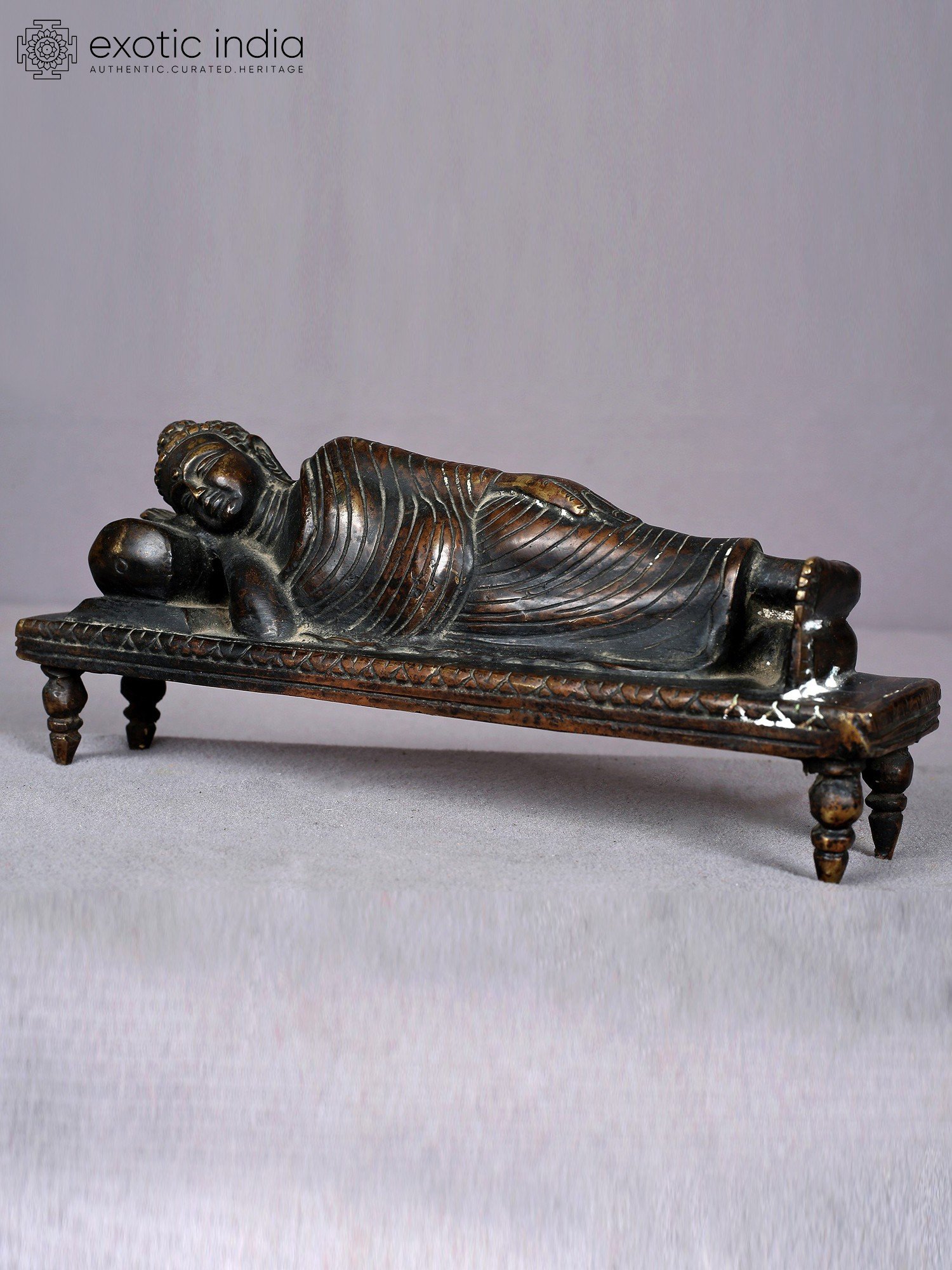
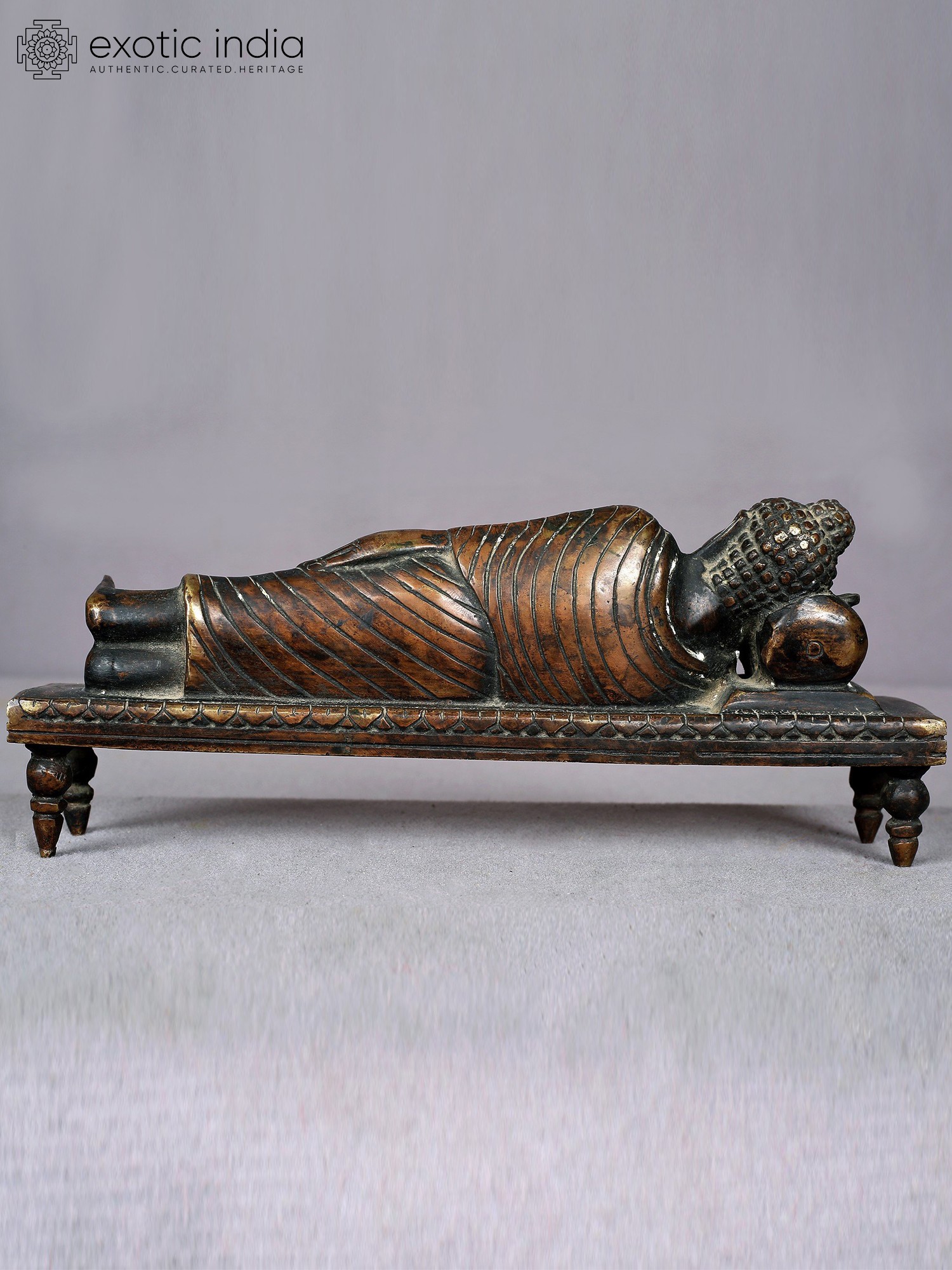
The representation of
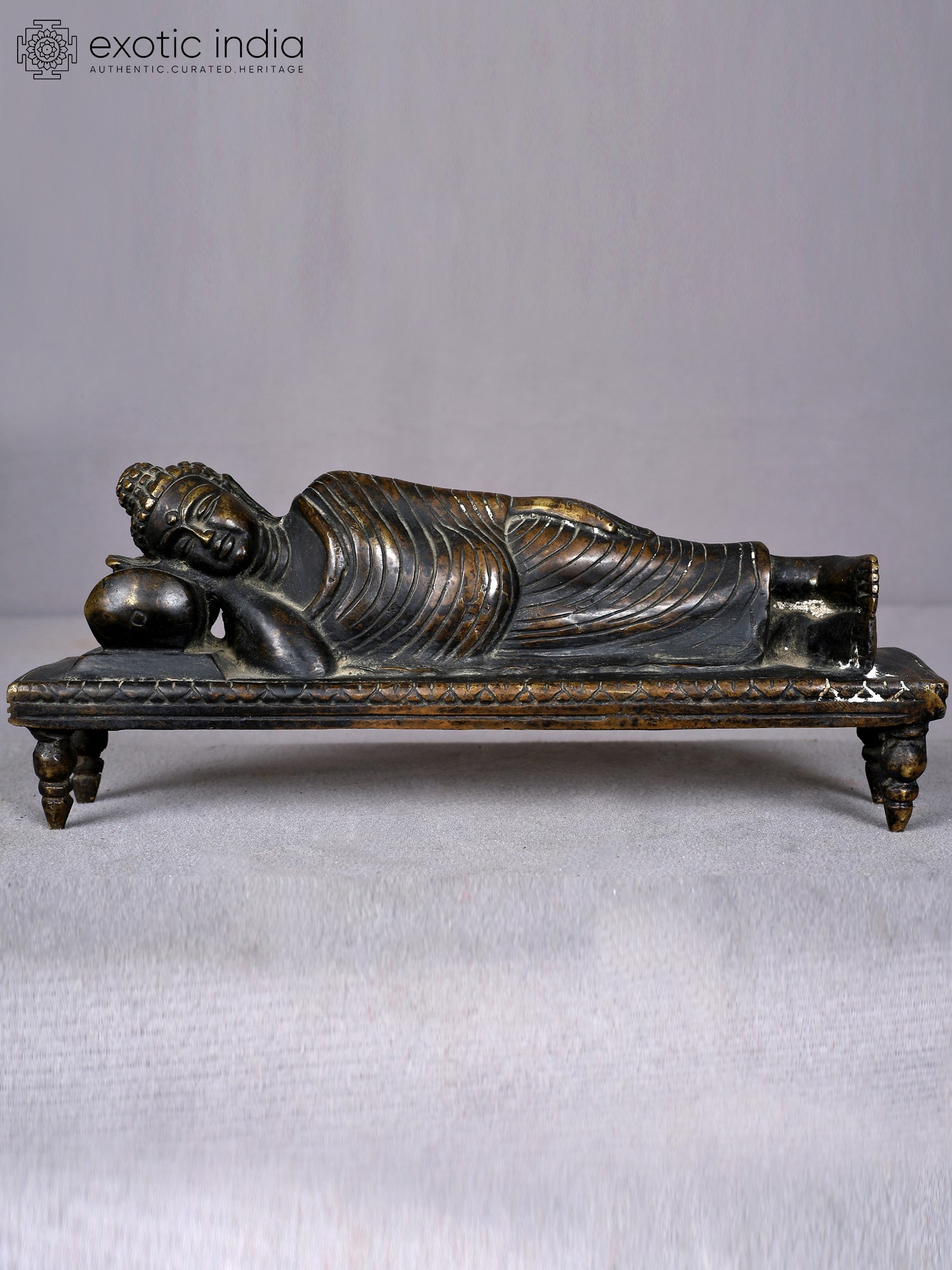
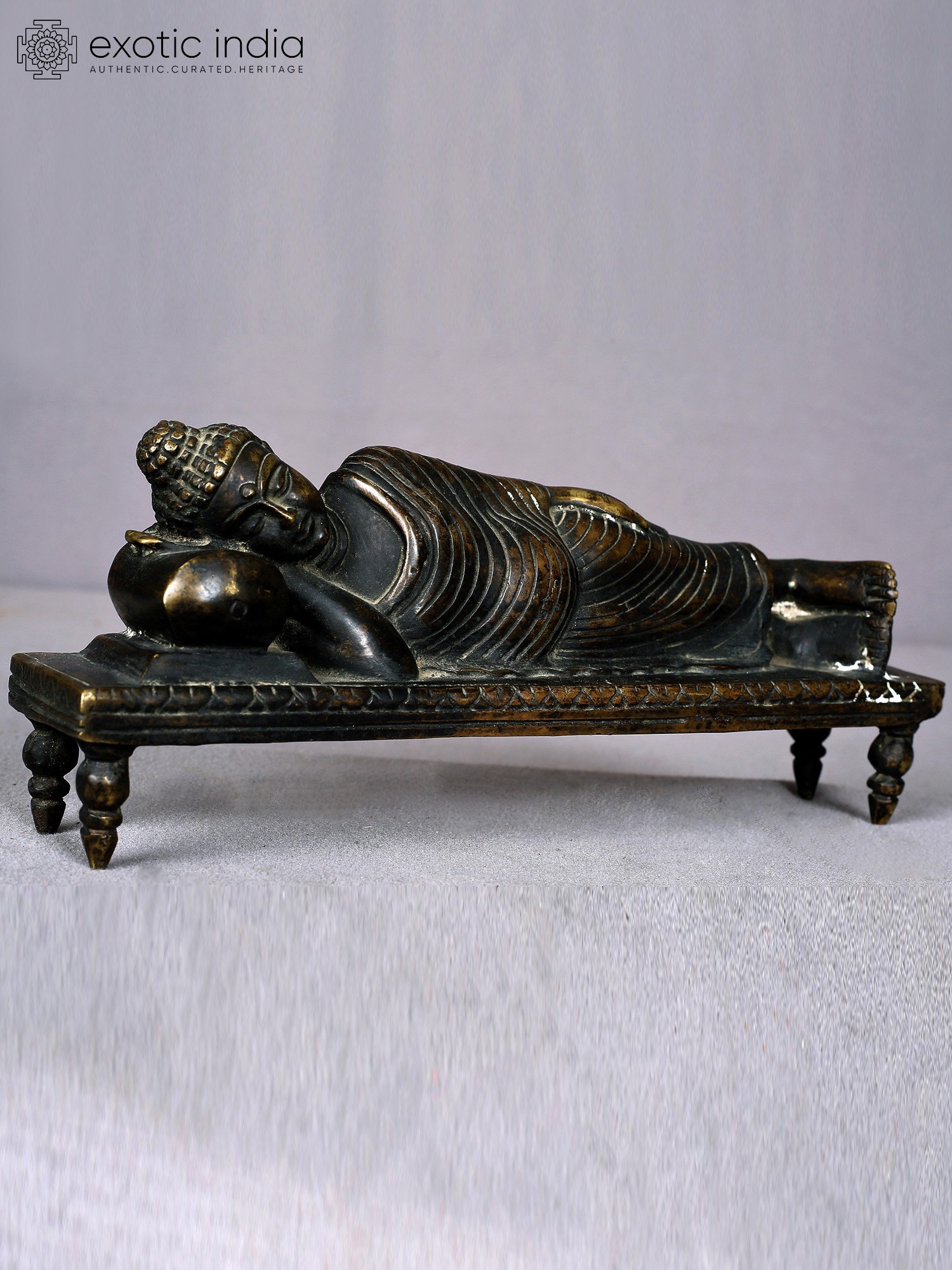
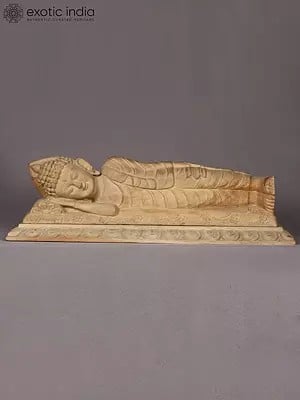
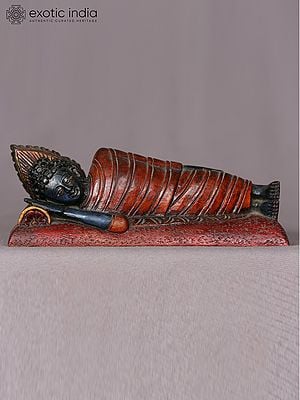
the reclining Buddha, also known as the sleeping Buddha, captures the profound
moment of the Buddha lying down during his Mahaparinirvana. In Buddhism, this
specific position is referred to as "mahaparinirvan asana."
It is believed that as the Buddha sensed his
impending passing, he instructed his disciples to prepare a resting place for
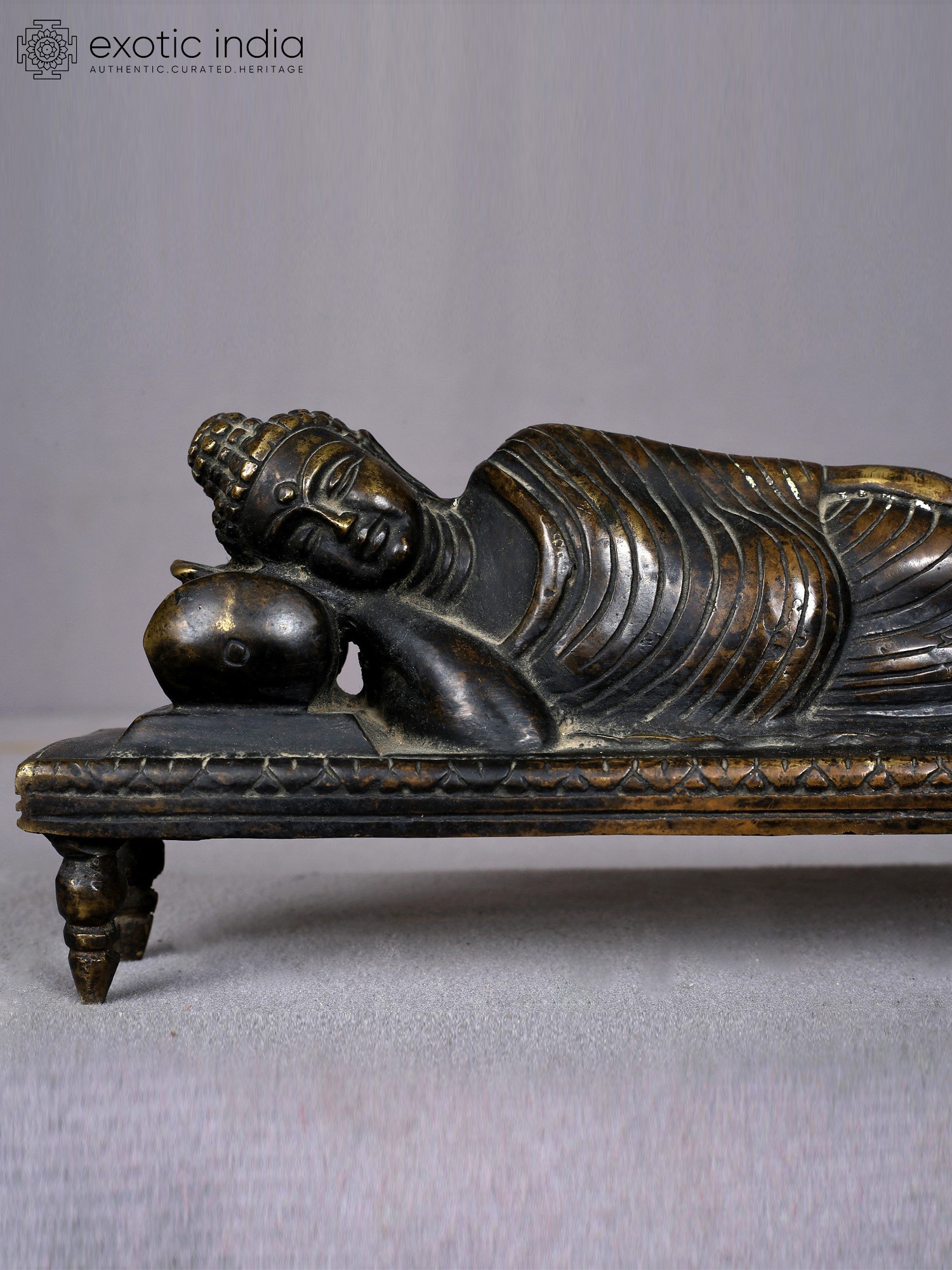
him amidst the bushes, where he could comfortably lie down, as is shown his
head resting on a bowl. Despite having attained enlightenment and transcended
into the state of a Buddha, he, like any human, had to undergo the natural
course of leaving his physical form. The serene countenance and gentle smile
portrayed on the reclining Buddha's visage reflect the compassion and peace
that accompany enlightenment.
The Serene Slumber of the Awakened One
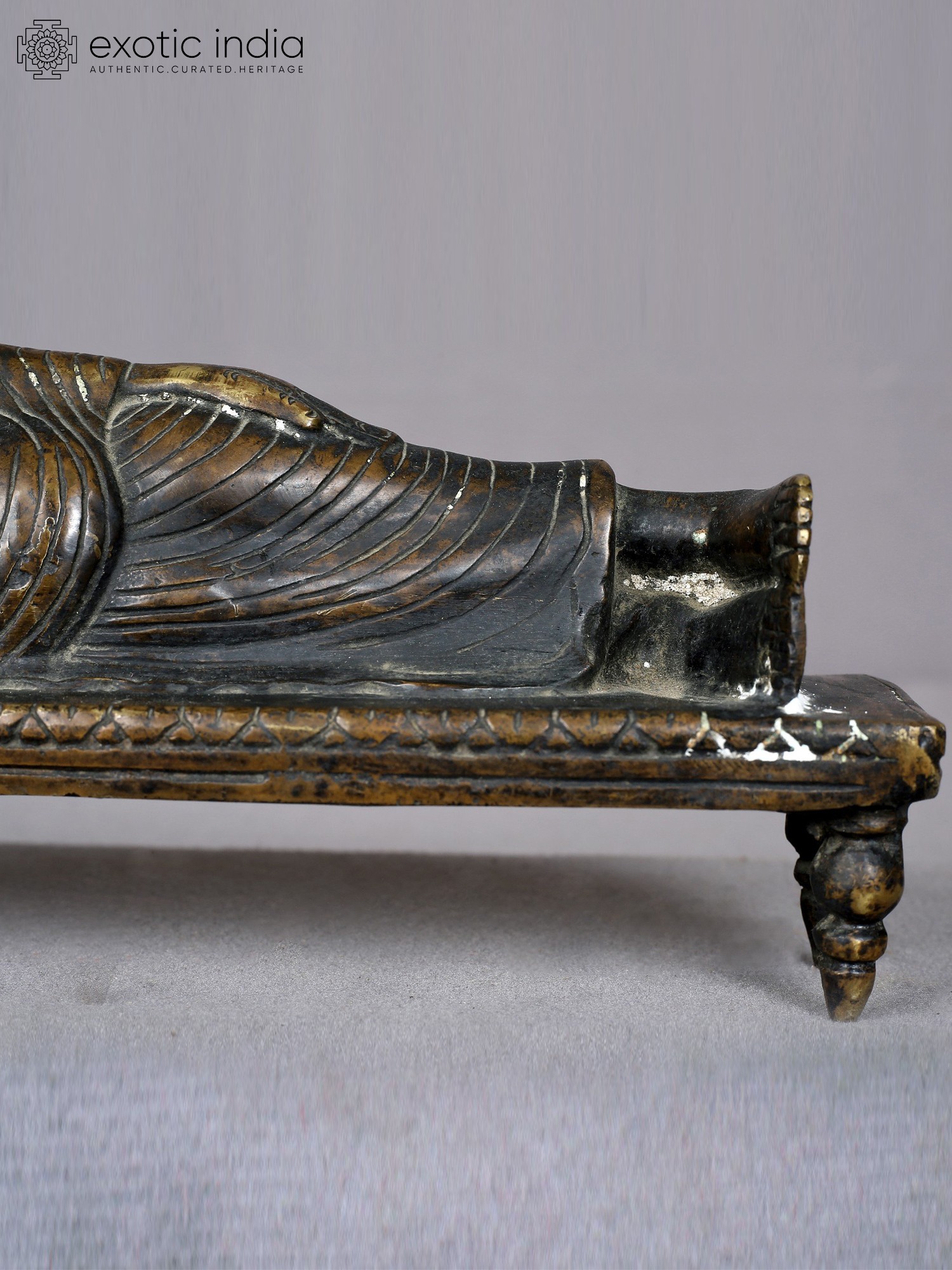
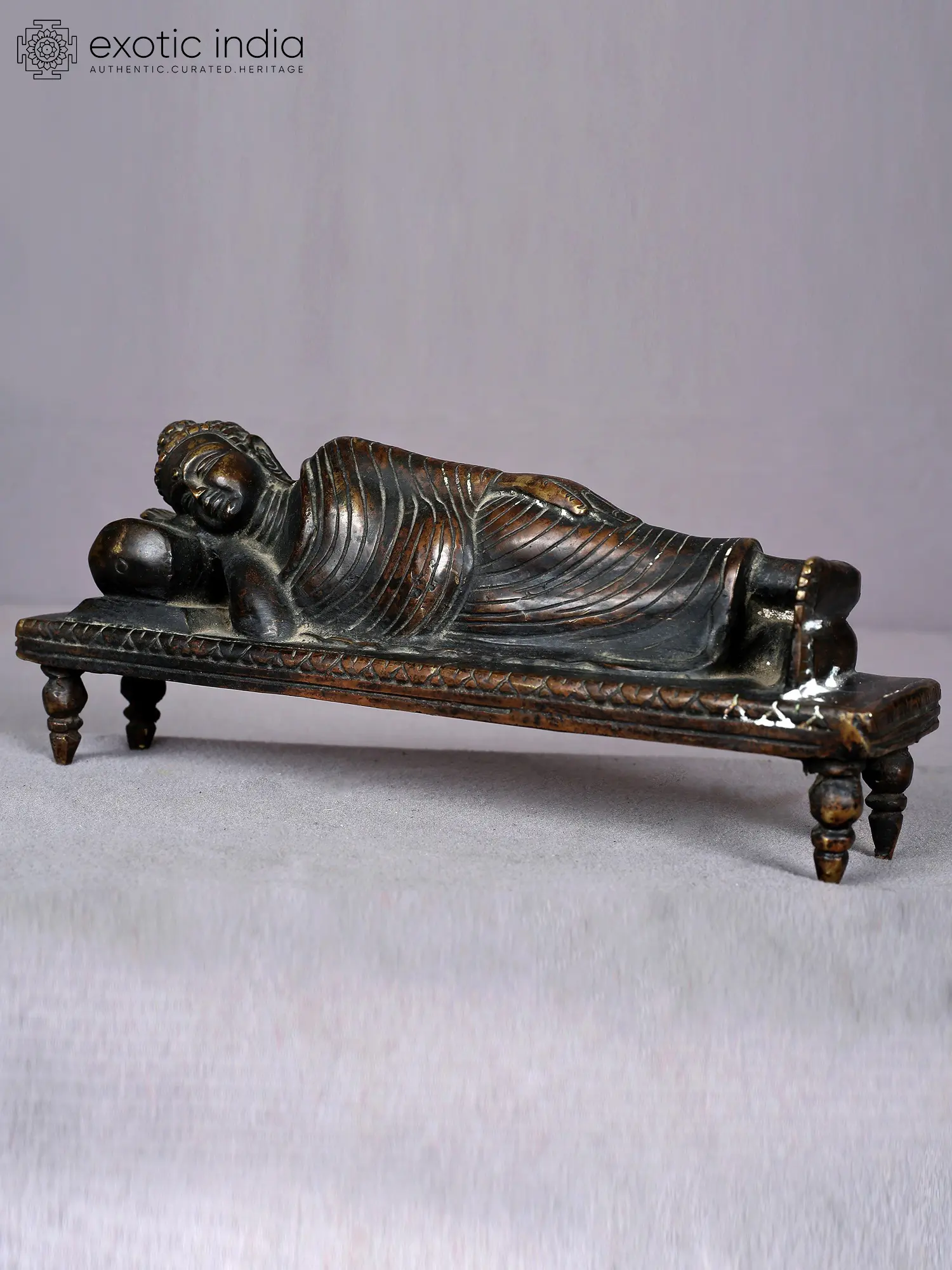
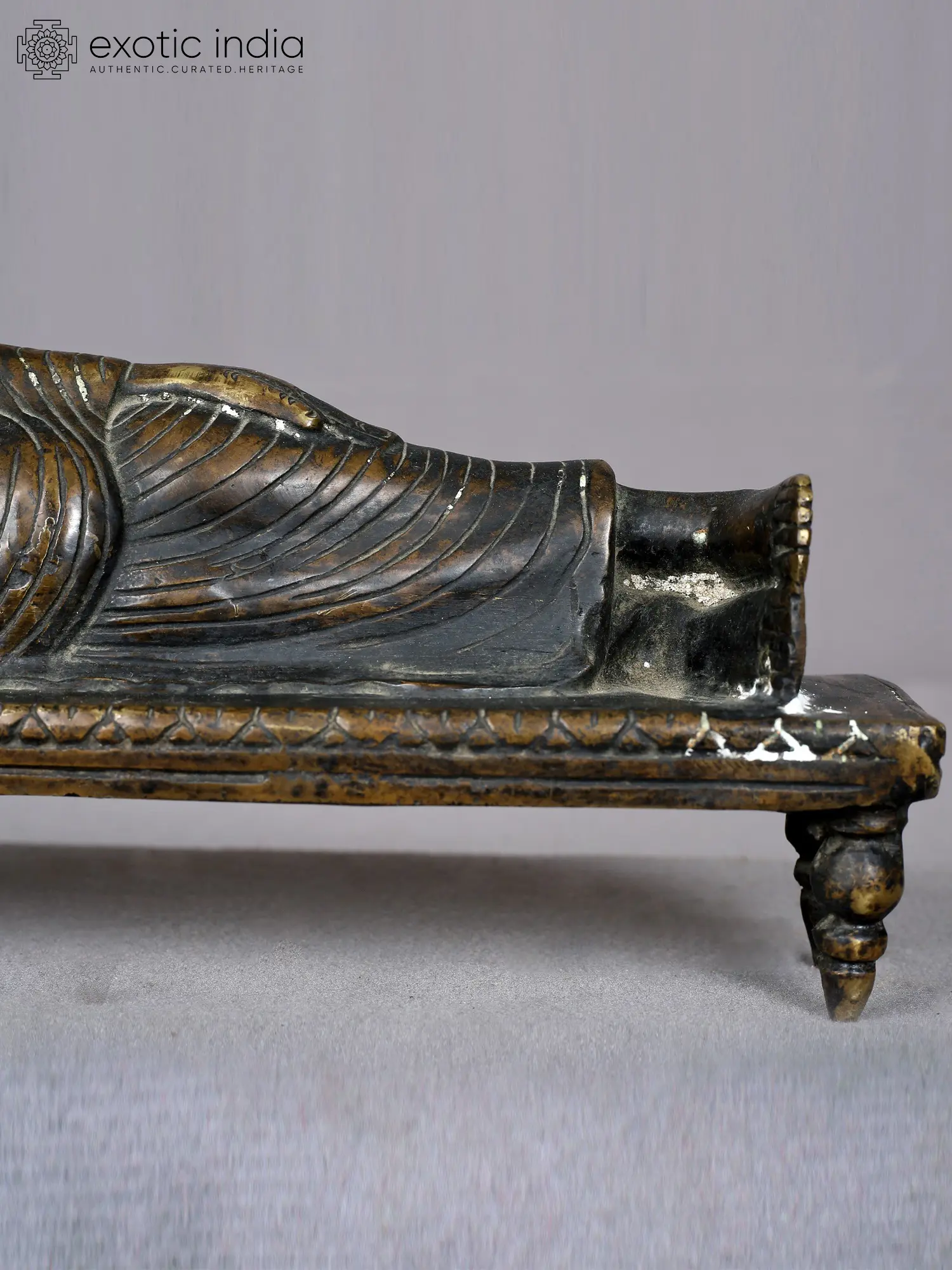
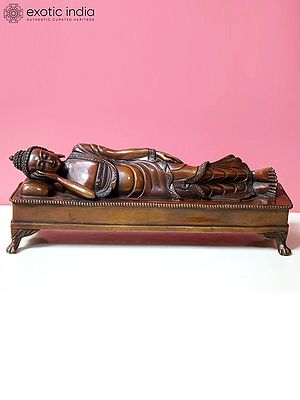
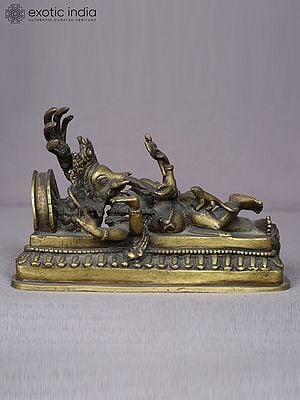
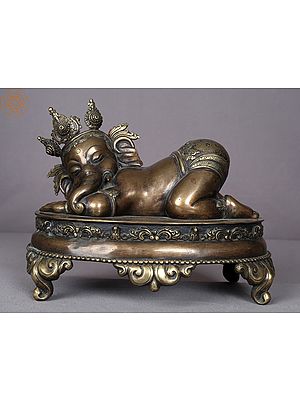
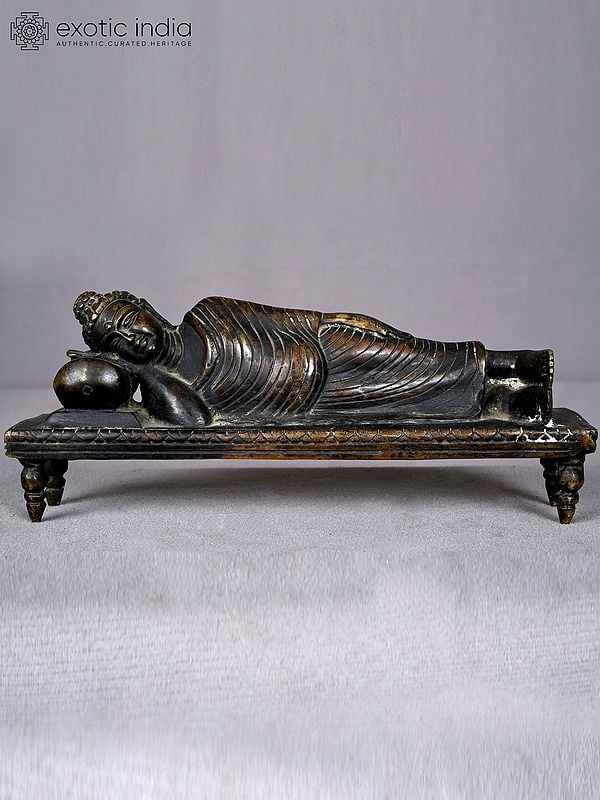
This exquisite brass sculpture captures a profoundly tranquil moment – the Buddha in his final earthly slumber, known as Mahaparinirvana. The pose, with the right arm supporting the head and the left arm resting along the body, is instantly recognizable and deeply symbolic in Buddhist traditions. It represents the cessation of worldly suffering and the ultimate attainment of enlightenment, a peaceful release into Nirvana. This representation is not merely about death but about a transition to a state of eternal peace and liberation.
The meticulous craftsmanship evident in this piece speaks to a rich heritage of artistic expression. The figure of the Buddha is rendered with delicate precision, from the serene expression on his face to the gentle folds of his monastic robe. The brass material lends a timeless quality, its patina suggesting years of devotion and contemplation. The Buddha rests upon a low platform, its edges adorned with a subtle yet intricate pattern, and supported by four elegantly turned legs. This base further elevates the sacred nature of the sculpture, providing a dignified resting place for the divine figure.A Symbol of Peace and Enlightenment
In Buddhist iconography, the reclining Buddha embodies several significant concepts. It often signifies the Buddha's approaching death and parinirvana, but it is also widely interpreted as a representation of peace, tranquility, and the attainment of nirvana. Unlike many other depictions of the Buddha, this pose conveys a sense of profound calm and acceptance, inviting contemplation and inner peace for the viewer. In Buddhist lore, the image of the reclining Buddha can also symbolize the Buddha's victory over death and the cycle of rebirth. It is believed that seeing such an image can bring good fortune, health, and protection.
This sculpture, originating from Nepal, a land deeply intertwined with the origins of Buddhism, carries with it the spiritual resonance of its homeland. Nepalese art has a long and revered tradition of creating devotional objects, and this piece is a testament to that enduring legacy. Whether placed in a personal meditation space, a serene corner of your home, or as a centerpiece for contemplation, this brass sculpture offers a tangible connection to Buddhist philosophy and a powerful reminder of the path towards enlightenment and inner peace. The lustrous brass, aged to perfection, imbues the artwork with an aura of sacredness and enduring beauty, making it a cherished piece for any collector or practitioner.











 Upload an Image