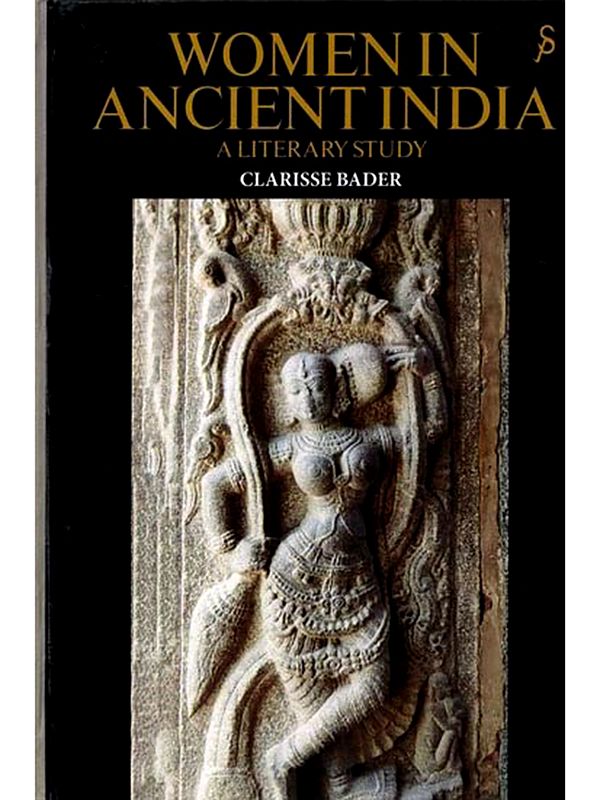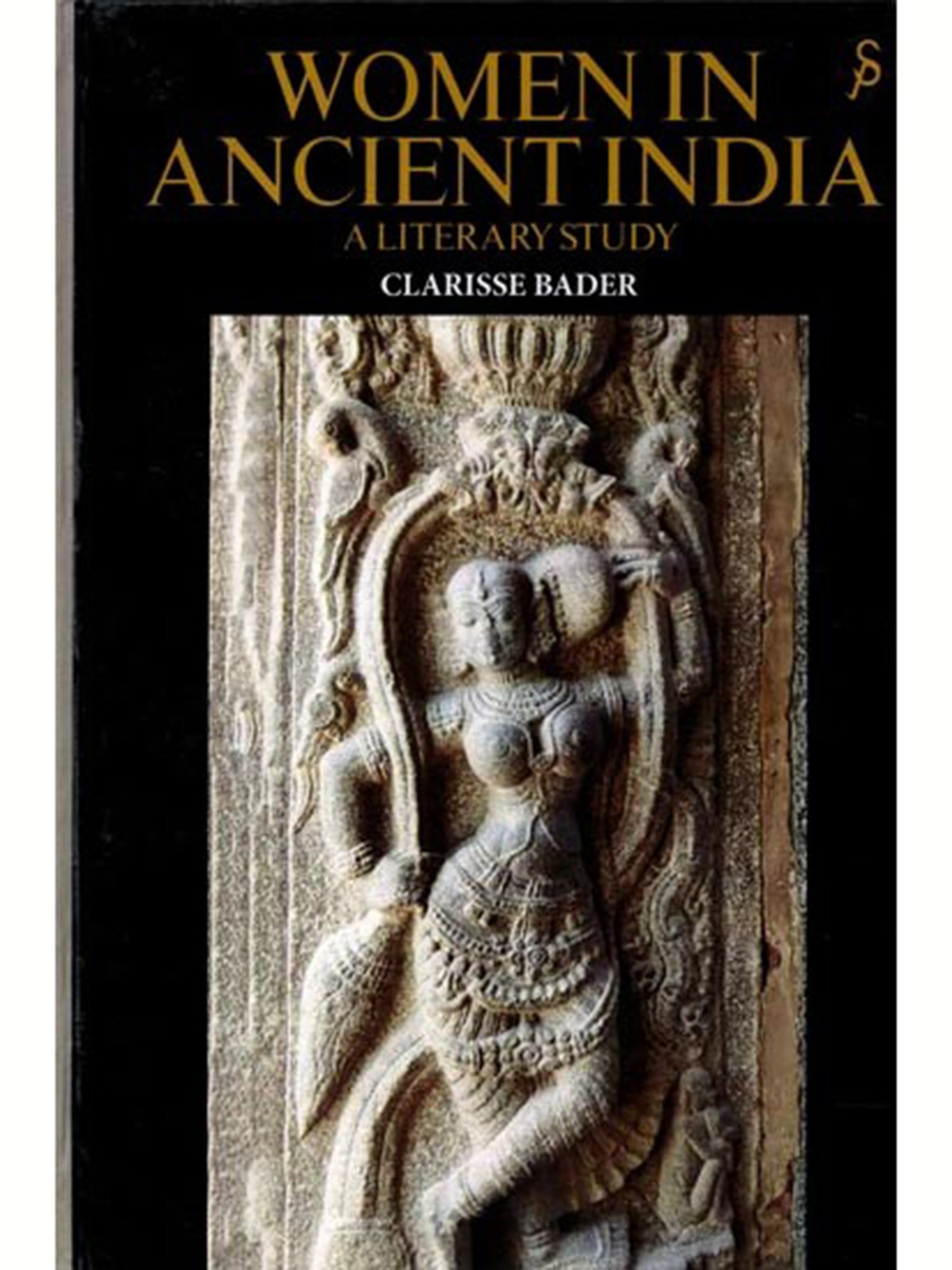

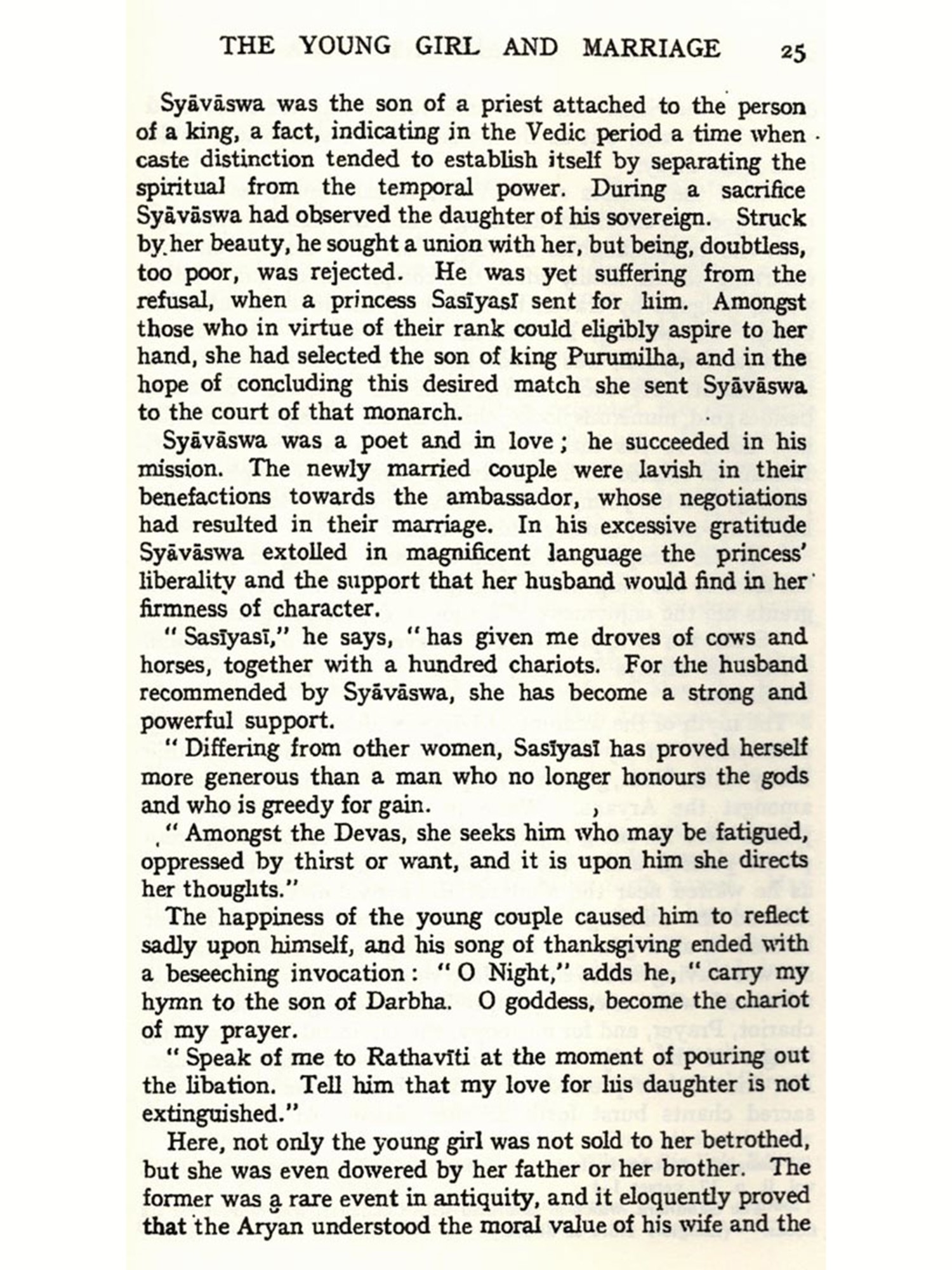
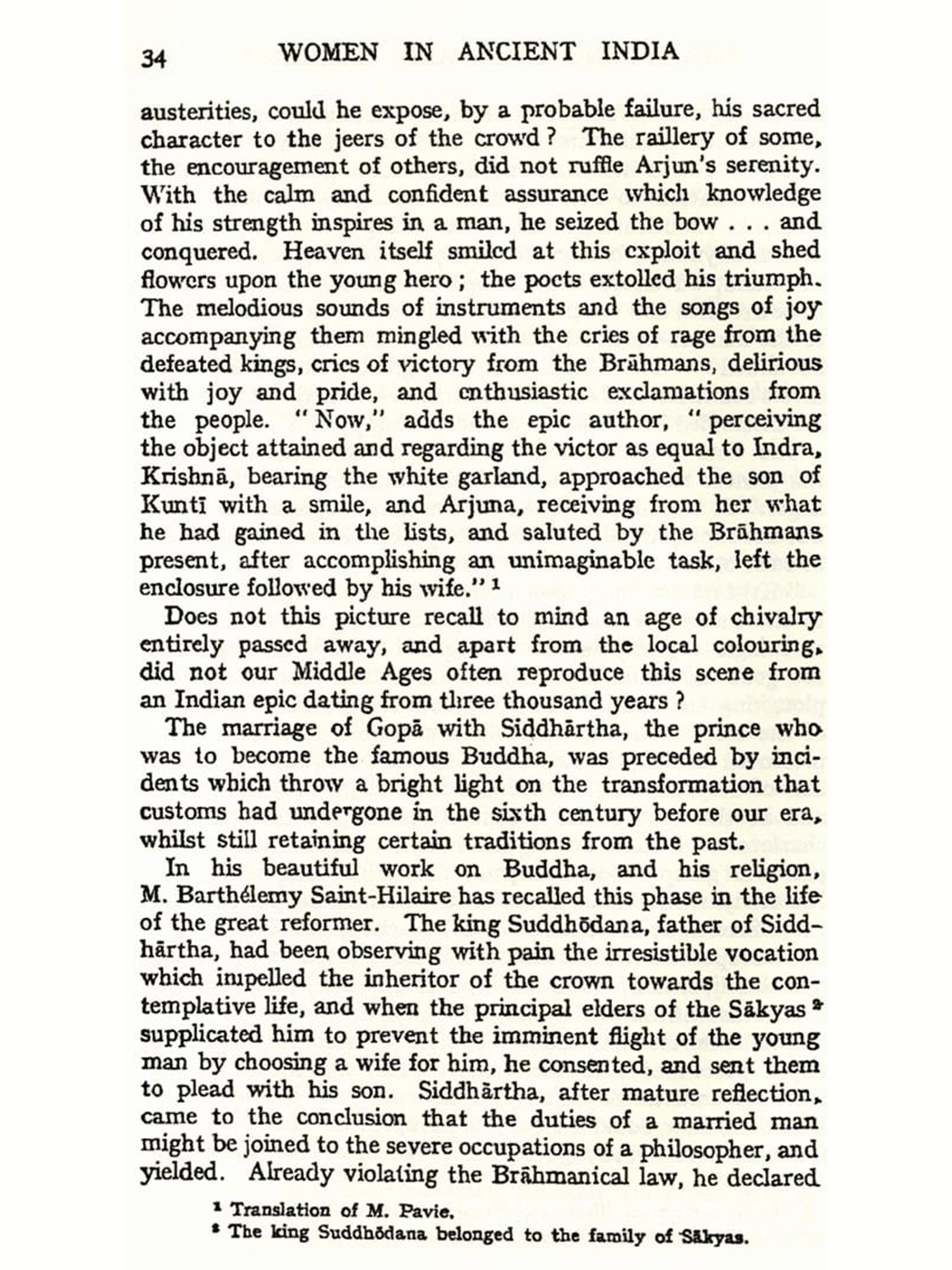
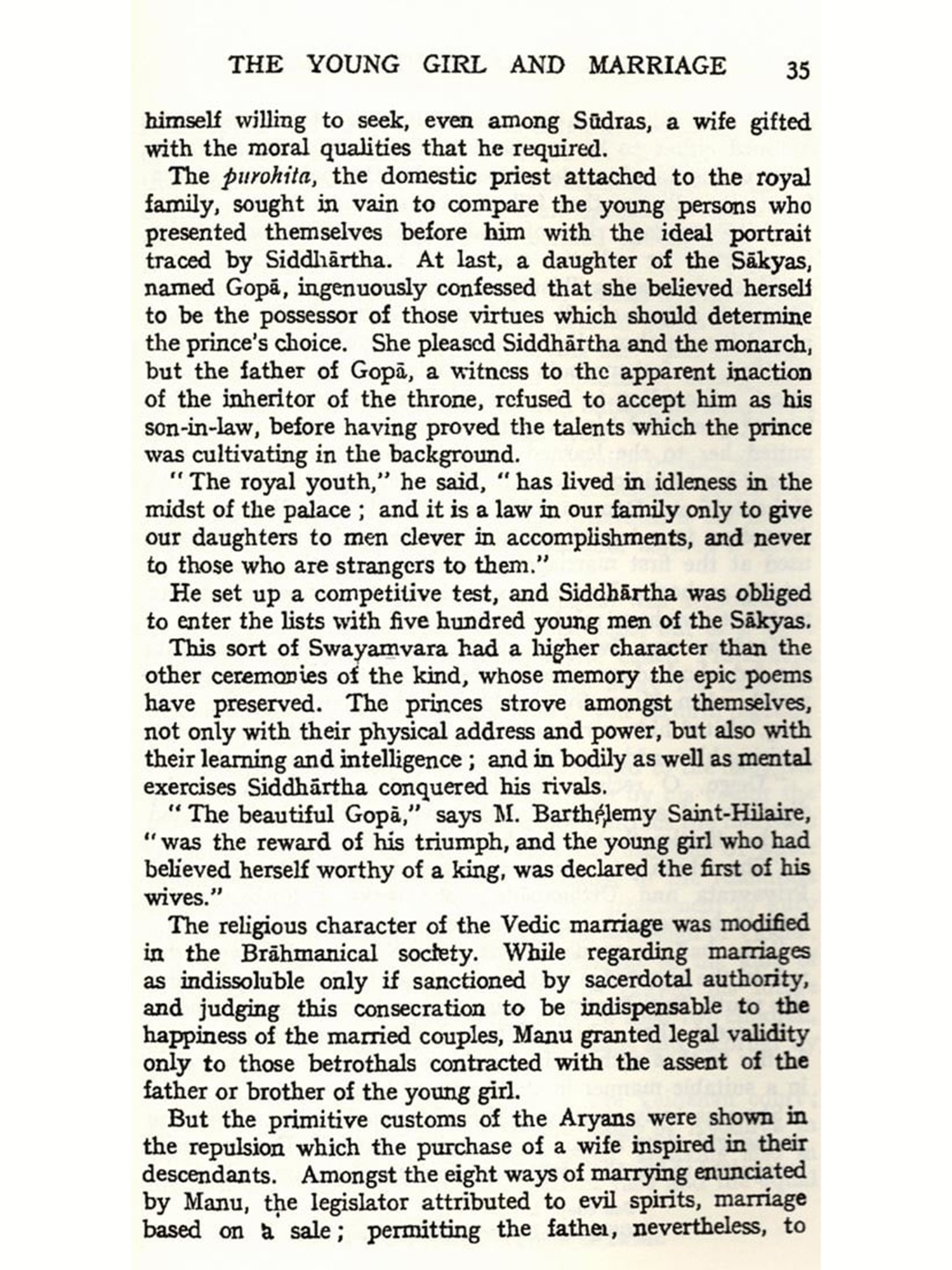
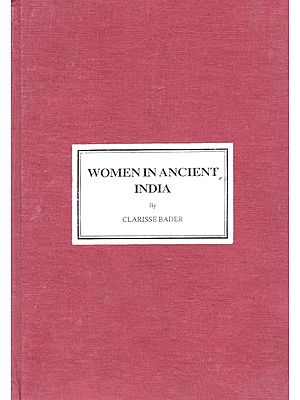
Women in Ancient India: A Literary Study

| Specifications |
 |
Publisher: Shubhi Publications, Gurgaon |
| Author Clarisse Bader | |
| Language: English | |
| Pages: 348 | |
| Cover: HARDCOVER | |
 |
9.5x6.5 Inch |
 |
Weight 720 gm |
| Edition: 2025 | |
| ISBN: 9788182905429 | |
 |
HBQ768 |
| Delivery and Return Policies |
 |
Usually ships in 6 days |
 |
Returns and Exchanges accepted within 7 days |
 |
Free Delivery |


THIS modest work, the only one hitherto that has dealt with
this subject and therefore been exposed to the terrible glare of publicity, was
not intended to appear as a single volume, but as the key to an extended series
embracing the role of woman throughout the entire period of Eastern antiquity. To
ascertain woman's position in primitive society from the ever-inspired record
of the Chosen People and of the disciples of Christ; from the poetry of the
Arabs still burning with desert fire; from the witness in stone of Egyptian and
Assyrian monuments; from the classical books, the annals and odes of China;
from the mysterious and famed masterpieces of India; from the sacred texts,
history, and legends of the Persia of Zoroaster; from the Christian literature
of Armenia; and from all the productions of ancient Eastern genius, explained
by the genius of the modern West: such was our object and so it is still.
Numerous materials had already been collected for this task, but on
investigating the Indian contribution, we were suddenly stopped short, struck down
by the unexpected spectacle displayed before our eyes. In a sister nation,
older than the Grecian yet retaining in a evely degree the first impressions
and typical ideas of our Indo-Germanic race, we discovered literary riches
whose existence, prior to Hellenic antiquity, had never been surmised. First,
echoes of a prehistoric age were found in hymns, admirably expressing the needs
of the human soul; next, monuments of heroic ages in laws, embodying beautiful
verses and eternal principles of justice and virtue, gigantic epics like the
Iliad and Odyssey, abounding with moving and tragic episodes, covering vast
ranges of philosophy and religious thought, with pure and touching sentiments,
coming from honest and believing hearts, splendid descriptions of tropical
nature; lastly, the productions of an age contemporary with that of Augustus,
showing the influences of a civilized and refined court, namely, dramas of
powerful influence, and elegiacs which might have been uttered by Tibullus sich
were the marvels displayed before our eyes. And Woman! It is she who inspires
the greater part of these masterpieces expressing the highest point of moral
beauty, and who illustrates by her conjugal love, both heroic and pure, a theme
embellished by Hindus in such variety that the fundamental idea is often
overlaid by the multiplicity of varying circumstances. To-day, thanks to
scholars like Jones, Wilson, Colebrooke, Max Müller, Bopp, Lassen, Weber, and
many others, Sanskrit literature has become nearly classical in England and
Germany. In France, the works of our learned writers on Indian subjects, Eugène
Burnouf, Langlois, Ad. Regnier, Foucaux, Pavie, Fauche, and the strong impulse
given, in the Académie de Stanislas, by Baron Dumast, and by Émile Burnouf and
Leupol, are preparing for popular reading the masterpieces evolved on the banks
of the Indus and the Ganges. Is it not, then, a favourable moment for calling
attention to a literature eminently moralistic? Greece and Rome, hitherto
acknowledged the only sources of classical perfection, have dried up. Some
writers, doubtless, faithful to the principles of truth, beauty, and goodness,
will immortalize the France of the nineteenth century, notwith-standing the
fact that a suspicion to the contrary has been making itself felt. It was
believed that everything grand and good in the human soul had already found
expression, and what one might venture to call realism meant painting mankind
in his most unworthy colours. In picturing his infirmities and causing him to
see his image reflected in impure waters, will mankind thus be strengthened,
benefited and elevated for his struggles? No! It is far better to offer him
even the standard of a chimerical ideal! For the endeavour to attain the Divine
standard means less deception than the relegation to that of the brute creation
1 Has not the time arrived, we repeat, to refresh ourselves from more
life-giving and generous sources? And only India has the honour of affording
such sources. There, a sense of duty dominating all affections, a feeling of
respect for the family life, a love for one's neighbour, a charity, including
even animals in its tender effusion, a spirit of sacrifice.
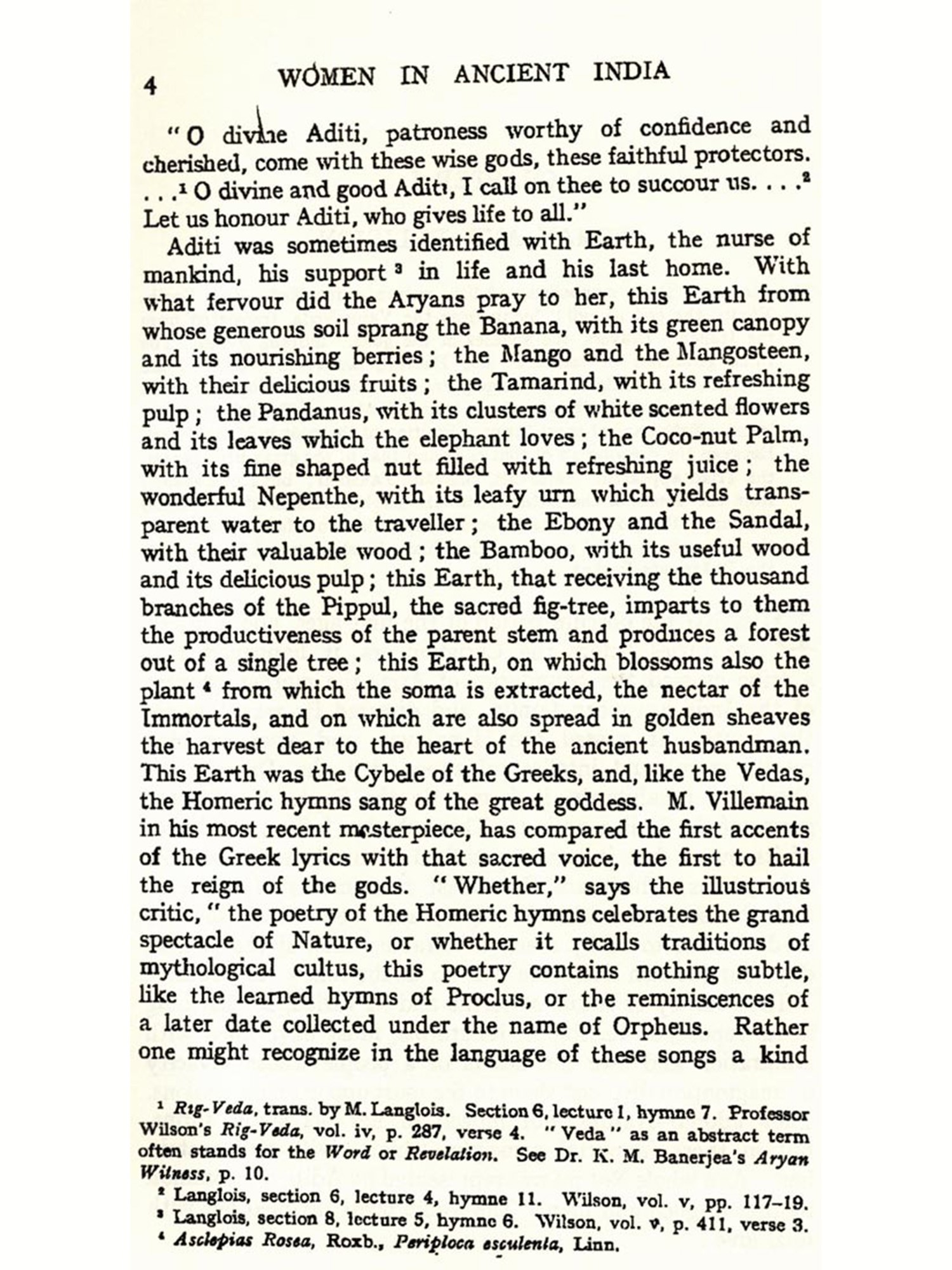
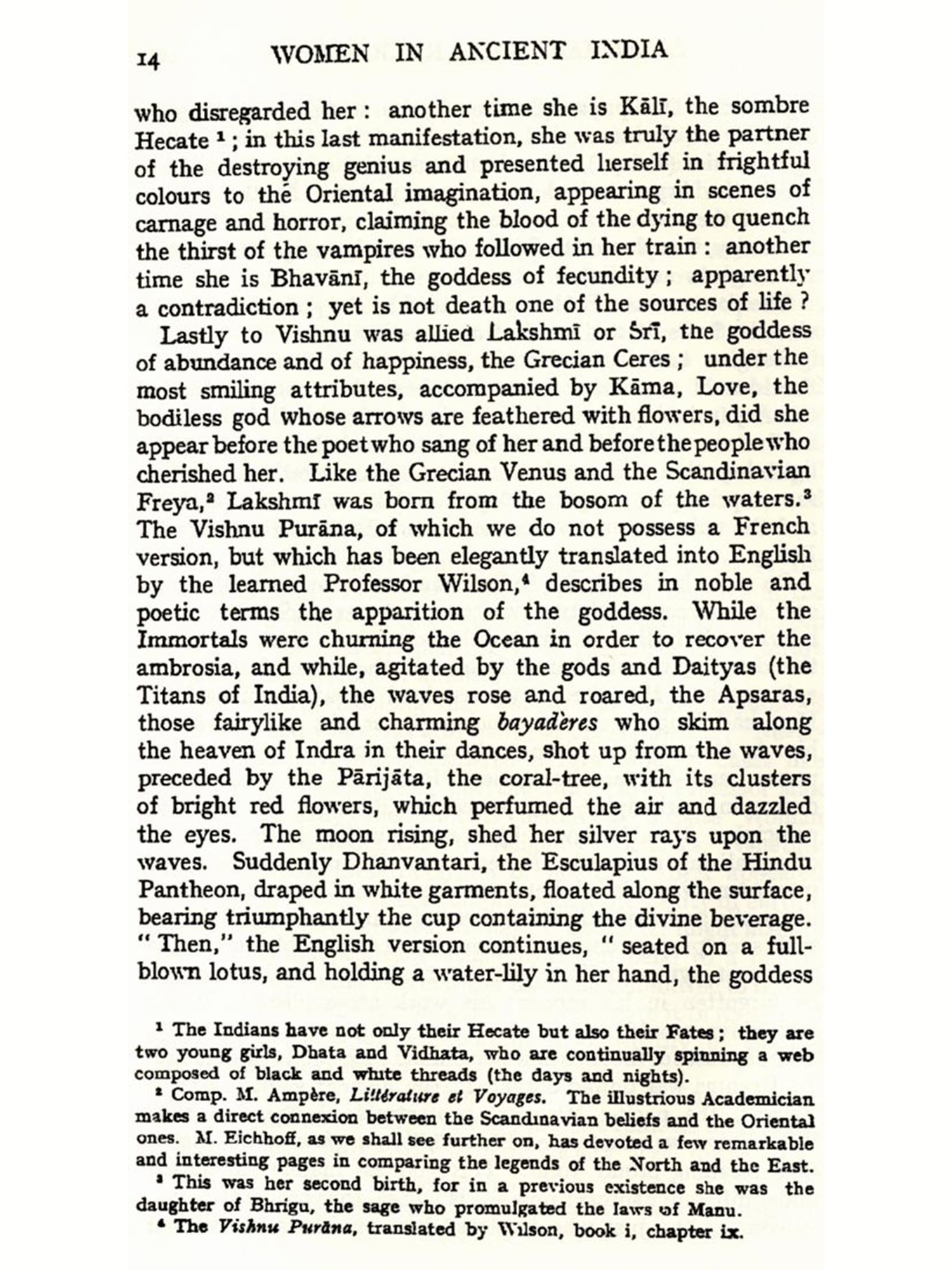
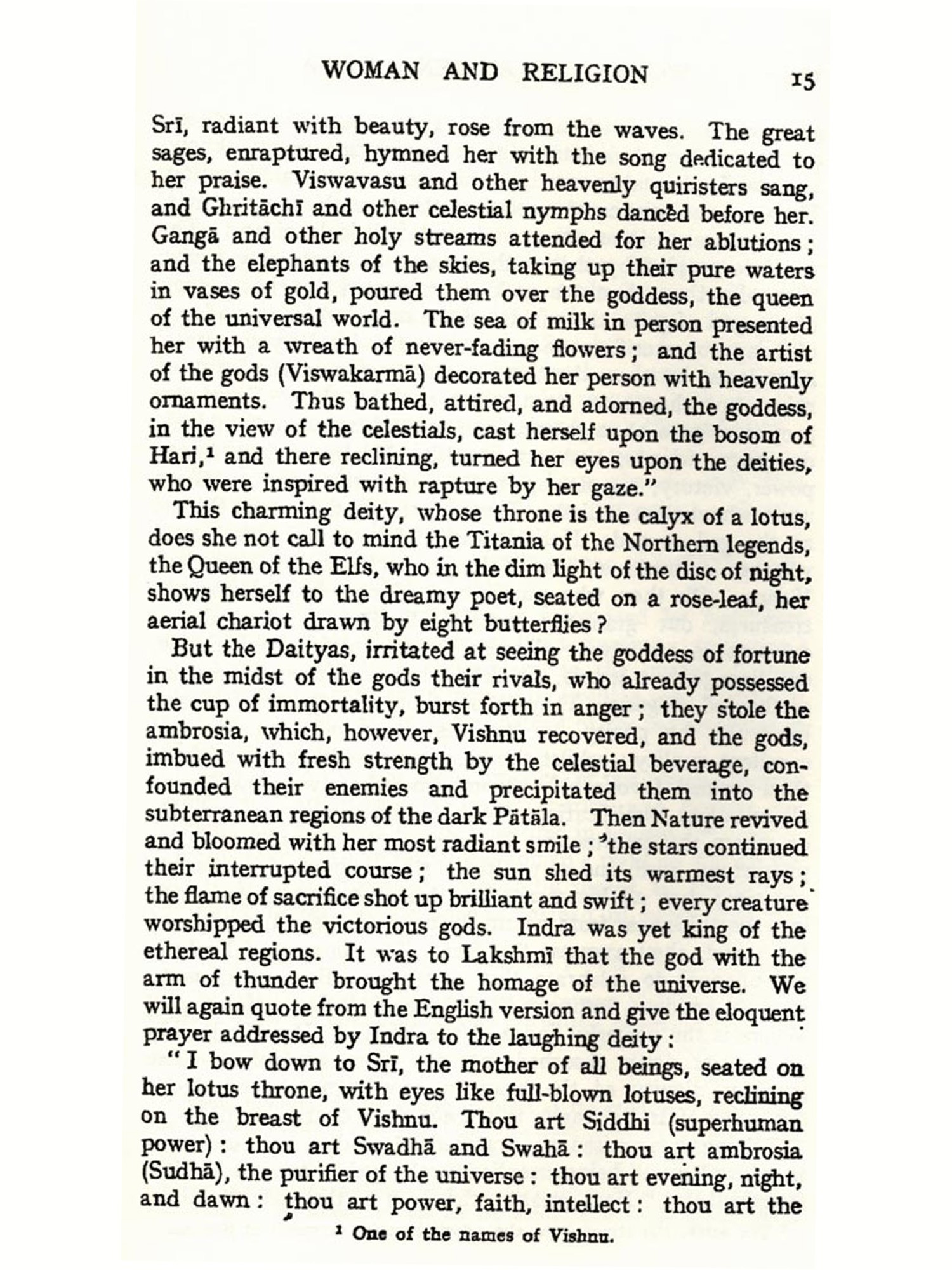
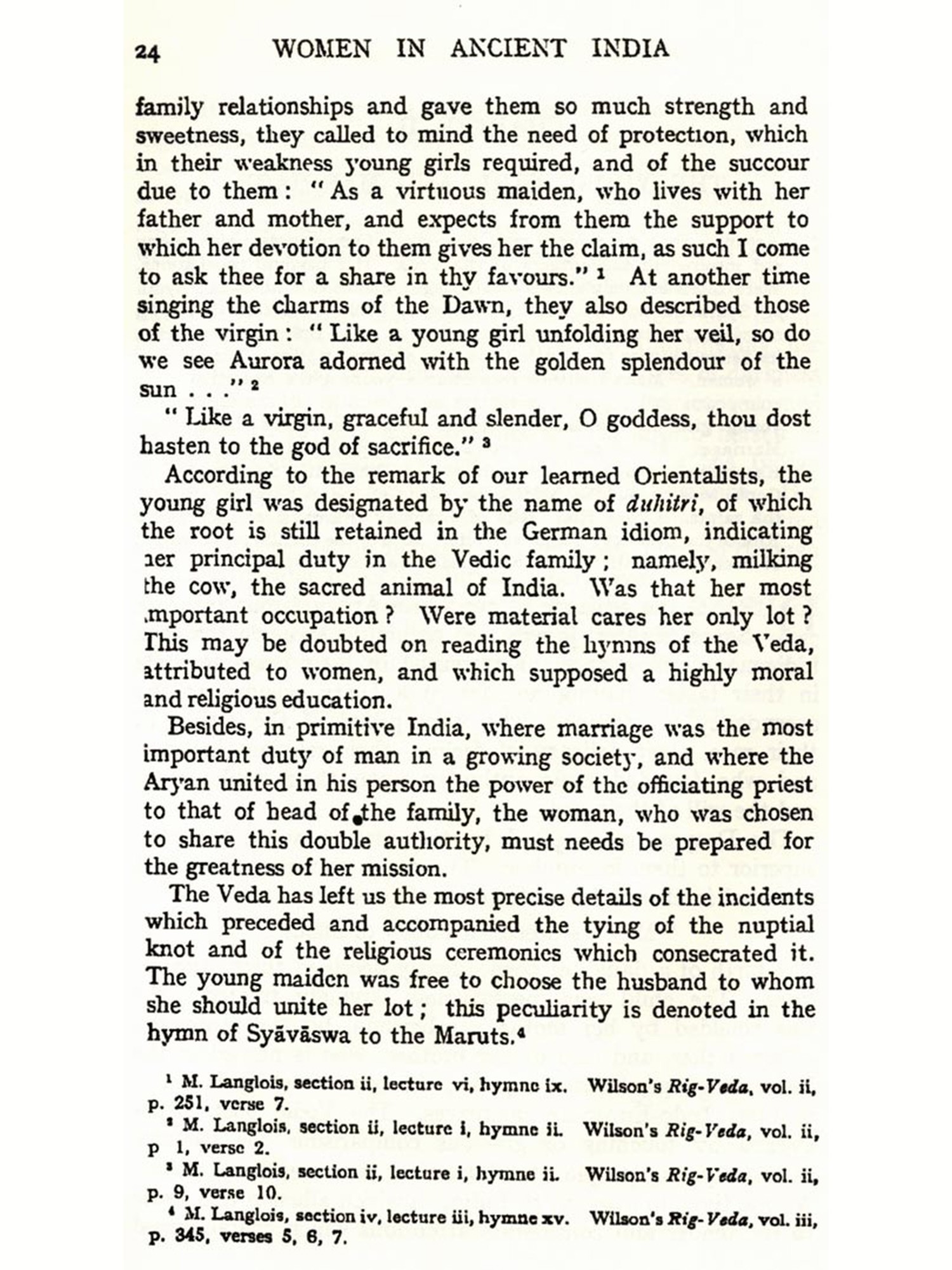
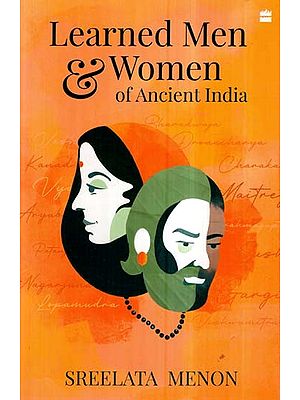
Women in Ancient India: A Literary Study" by Clarisse
Bader examines the diverse roles and representations of women in ancient Indian
society. Through an analysis of literary texts, historical documents, and moral
philosophies, Bader sheds light on the social, cultural, and religious contexts
that influenced women's lives. She addresses themes such as marriage,
education, and spirituality, highlighting both the challenges and contributions
of women throughout history. By critically exploring these elements, the book
aims to deepen understanding of women's significance in ancient India and
challenge prevailing stereotypes in the discourse on gender and cultural
heritage.

-
Q. What locations do you deliver to ?A. Exotic India delivers orders to all countries having diplomatic relations with India.
-
Q. Do you offer free shipping ?A. Exotic India offers free shipping on all orders of value of $30 USD or more.
-
Q. Can I return the book?A. All returns must be postmarked within seven (7) days of the delivery date. All returned items must be in new and unused condition, with all original tags and labels attached. To know more please view our return policy
-
Q. Do you offer express shipping ?A. Yes, we do have a chargeable express shipping facility available. You can select express shipping while checking out on the website.
-
Q. I accidentally entered wrong delivery address, can I change the address ?A. Delivery addresses can only be changed only incase the order has not been shipped yet. Incase of an address change, you can reach us at help@exoticindia.com
-
Q. How do I track my order ?A. You can track your orders simply entering your order number through here or through your past orders if you are signed in on the website.
-
Q. How can I cancel an order ?A. An order can only be cancelled if it has not been shipped. To cancel an order, kindly reach out to us through help@exoticindia.com.