
About the Author
Dr. Mahajan in a well known research scholar in medieval Indian History and also in Maratha History. He is guiding the students doing Ph.D. and M.Phil in History at North Maharashtra University Jalgaon and Poona University. He has attended all India History Conferences National and international Seminars organized at different Places in India. He has published Twelve books mainly based on his research work in History.
He has Published more than two dozens of research papers in journals and periodicals of Indian History. He has thrown light on the Socio-economic aspects of Medieval Indian History as well as on administrative, socio- economic History of the Marathas and of Khandesh territory. He has also focussed upon Agrarian and urban History of Medieval Maharashtra. Presently, he is working as an Acting Principal, in Pankaj Senior Arts College at Chopda.
Preface
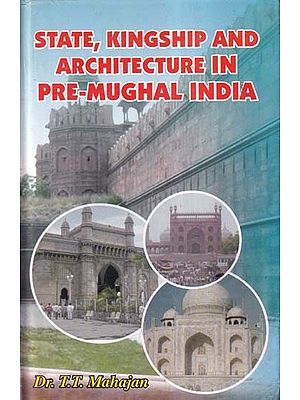
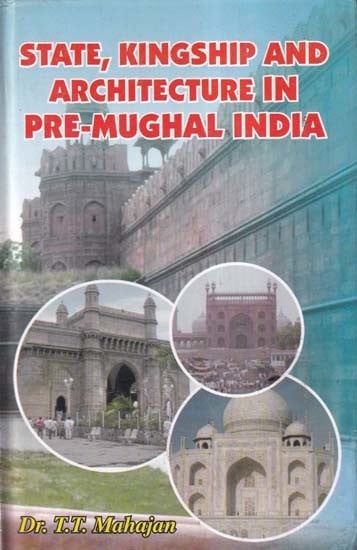
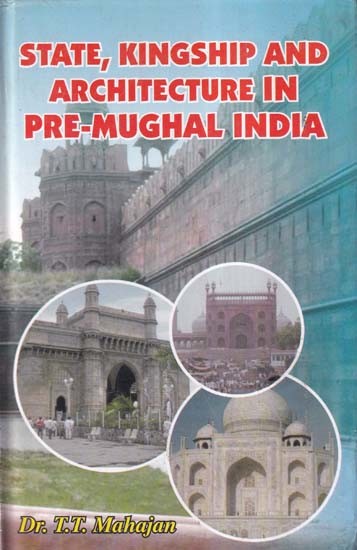
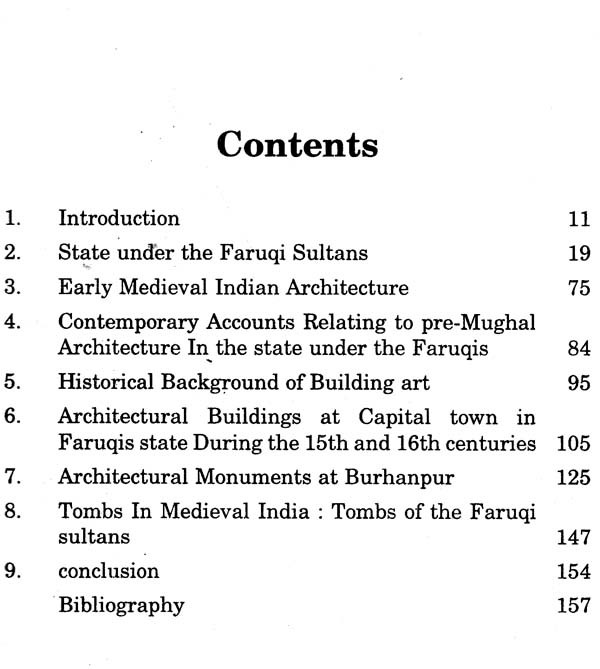
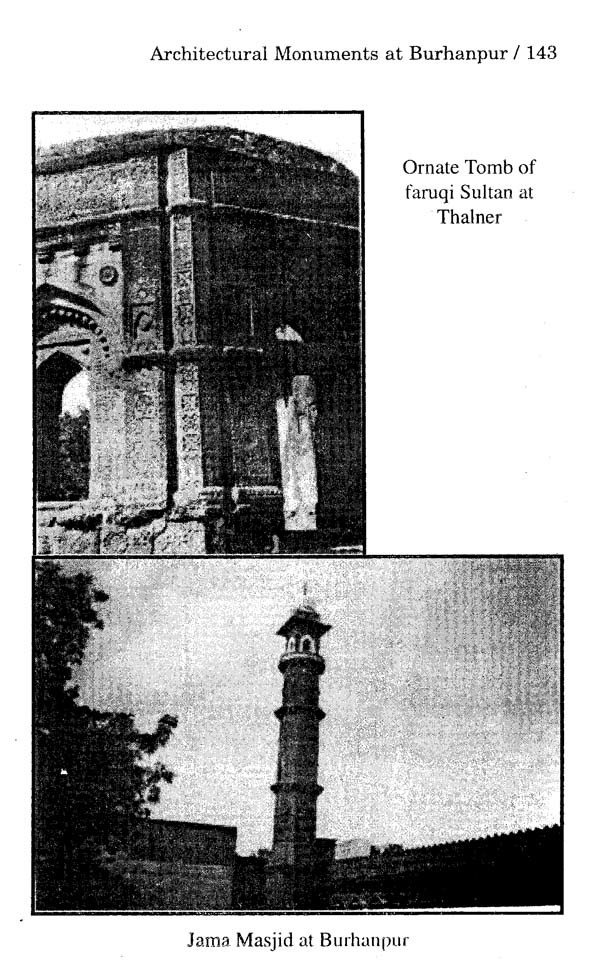
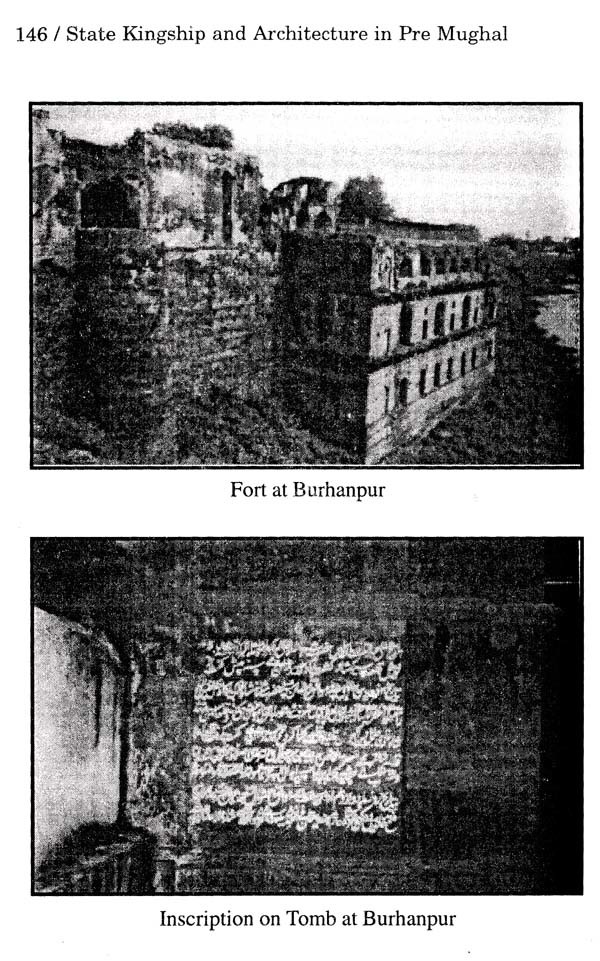
A very few scholars have paid their attention to the political history of the Faruqi Sultans of early medieval period. (1382-1600 A.D). But the history of their institutions such as the State, Kingship, nobility etc., still offers us a considerable field of research. The present study represents a modest attempt in that direction. In this work the stress has been laid upon the salient features of the Muslim State, Kingship and noble class during the Faruqi rule. It also focusses on architectural developments during two centuries of the regime of the Faruqi Sultans.
Introduction
State, art and architecure occupy a unique position in the history of any society of the particular period. The purpose of our study. is to discuss the interesting features of the Muslim state under Faruqis or to understand the nature of their kingship, problem of succession, royal position of the Faruqi sultans, the rights and powers of noblemen in khandesh, their influence on the sultans of the fourteenth and fifteenth centuries. It cannot be denied that the history of medieval period is not merely an account of political history, but it is also the history of royal and socio-religious institutions. The present work deals with the history of the royal institutions in Khandesh under the Faruqi rule. It also discusses tolerant religious policy of the Faruqi rulers which resulted in an outcome of mingling of the Hindu-Muslim cultures in the their state during the early medieval period.