About the Book
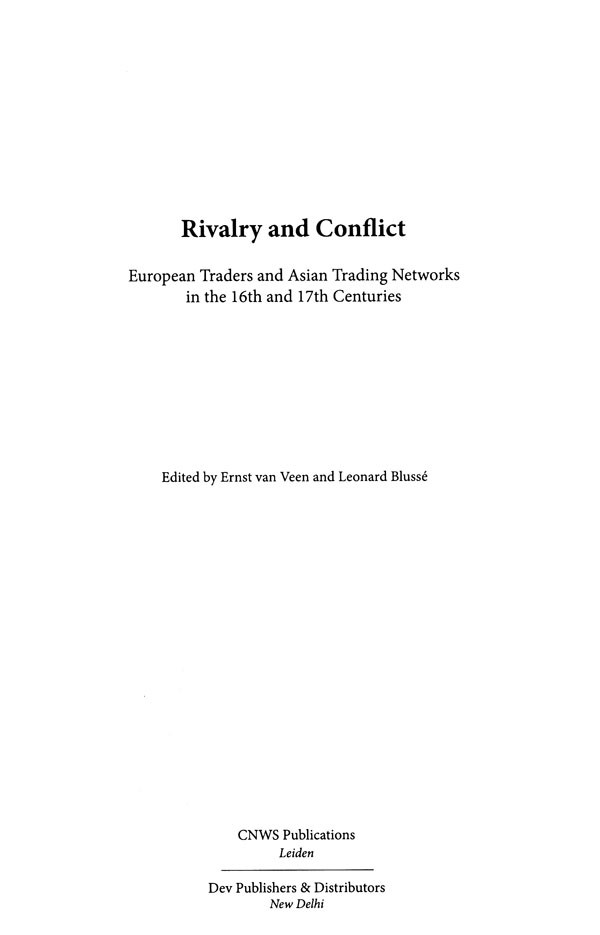
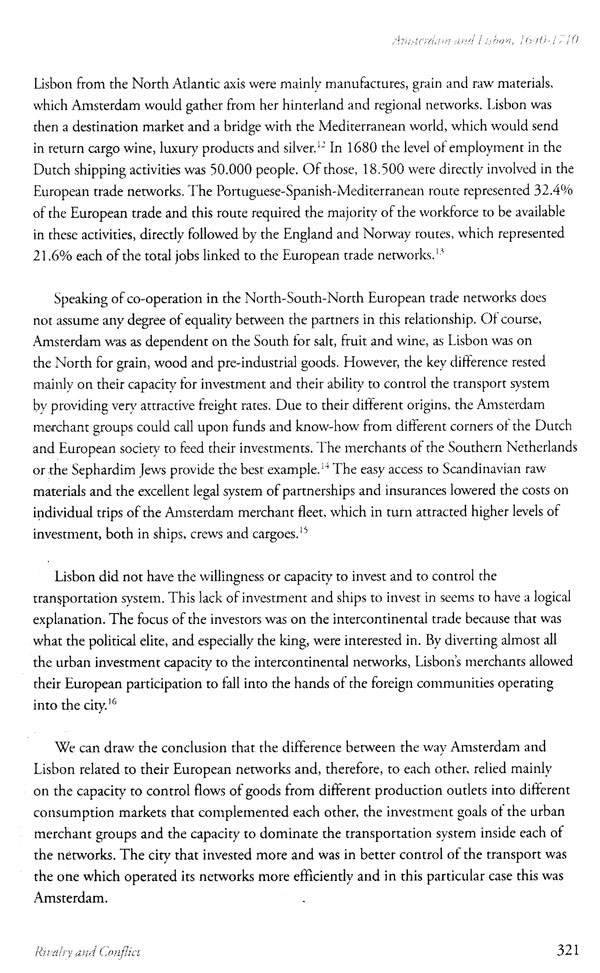
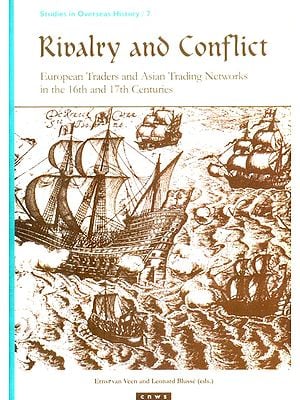
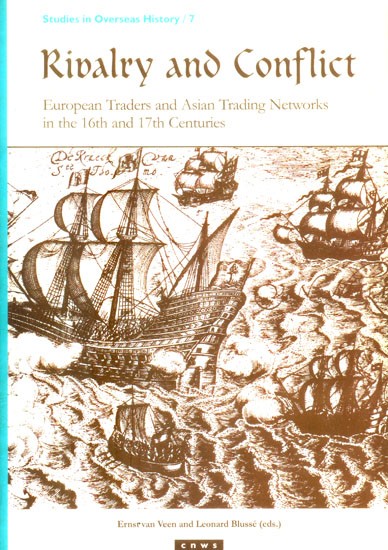
The rivalry between the Dutch and Portuguese in Asia is one of the classic themes of the early history of European expansion overseas. Yet it is often forgotten that until the end of the sixteenth century the seafarers and traders of Portugal and The Netherlands were the best of friends and close trading partners in Europe. This collection of essays seeks to explain the abrupt change in the relationship by analyzing the European interaction with the maritime world of Monsoon Asia. Portuguese as well as Dutch interests, political, commercial and personal, became closely interwoven with those of the indigenous rulers, merchants and financiers. The final outcome of the conflict in Asia was mainly determined by the different ways in which both parties were able to cope with the intricacies of Asian politics. 'European Expansion in the Indian Ocean' was far from a one-sided affair and its history can only be understood in terms of the interaction of both Europeans and Asians involved.
Introduction
Over the past decade the editors of this volume have been invited by Portuguese colleagues, to attend various colloquia about the Age of Vasco da Gama. It struck us that quite often during these meetings Dutch expansion in Asia was portrayed as the main cause of the demise of the widely extended Estado da India. This was not particularly surprising as the goal of some of these conferences was to re-evaluate the history of Portuguese oveneas expansion on the basis of the archival sources of the Estado da India and the Dutch East India Company (VOC), which often give very different views on the same events. In the aftermath of one of those conferences, on the suggestion of Professors Antonio Manuel Hespanha and Arturo Teodoro de Matos, we were even commissioned by the Comino Nacional pans as Comemorações dos Descobrimentos Portugueses to draw up a critical survey of Durch archival documents on the Dutch-Lusitanian encounter in Asia. When it was our turn to invite our Portuguese colleagues to a conference at Leiden University in 2003 we proposed two main questions to the participants. First of all we wondered how and why the long-standing friendly trade relations between Portugal and The Netherlands in Europe turned sour when they met overseas. Secondly we suggested that it might make sense on this occasion to discuss the interaction between Portuguese, Dutchmen and Asians rather than to continue studying Dutch and Portuguese as duellists on an exotic stage. Obviously alliances with the political and commercial interests of various Asian rulers often played 1 decisive role in the violent confrontations between the Portuguese and the Dutch and English trading companies in Asia.
The conference Rivalry and Conflict, held in Leiden from 23rd till 26th June 2003. was attended by a remarkably diverse crowd of young and older scholars. Not all those Invited were able to turn up, but a young and a somewhat older generation of Lusiranianists presented papers in front of a group of some twenty PhD students from twelve different Asian countries who also acted as commentators. The Conference research papers have been horoughly revised by the authors, and the editors of the present volume trust that they indeed reflect the change of focus indicated above.
For obvious reasons much of the historiography on early modern European expansion. written towards the end of the nineteenth century and in the first half of the twentieth century reflected the nationalistic and colonial ideologies of the time of writing.
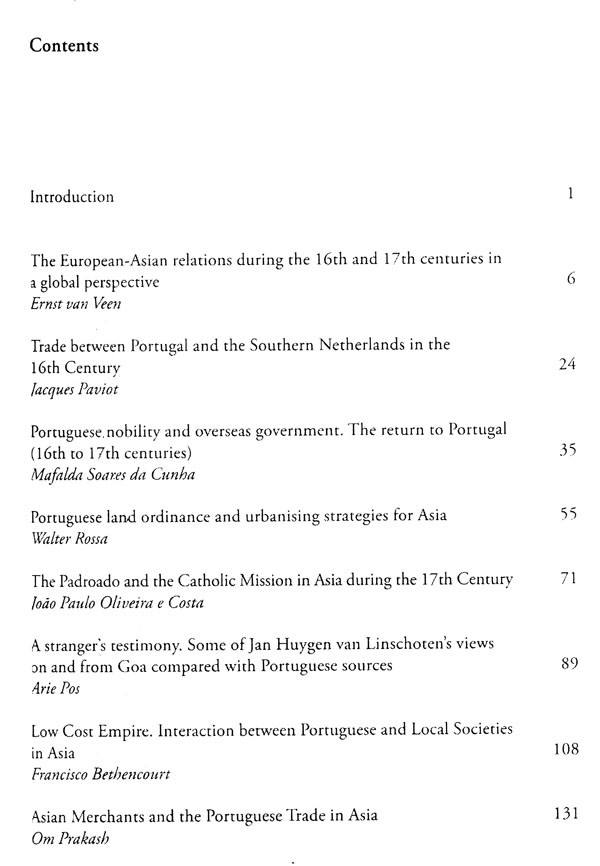
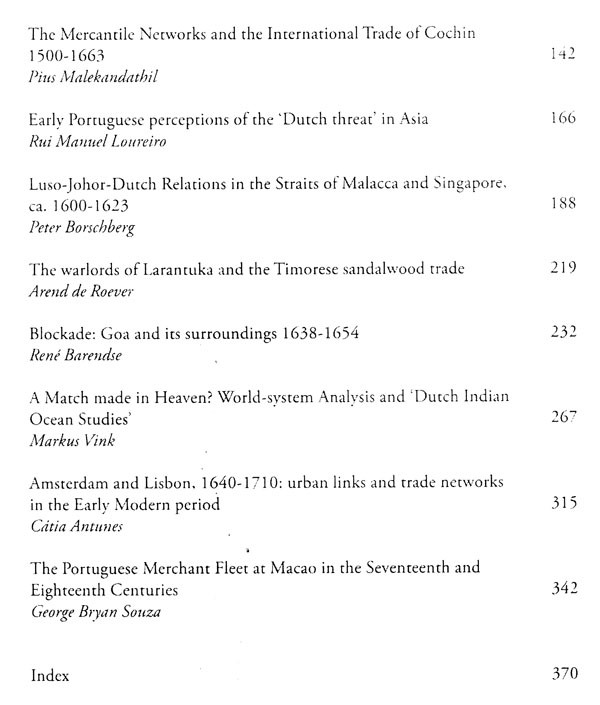
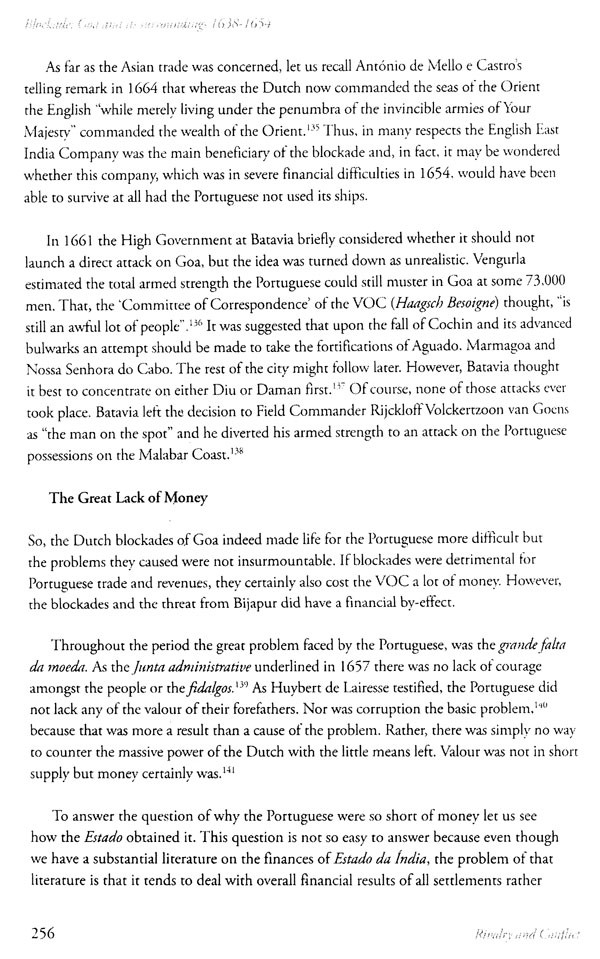
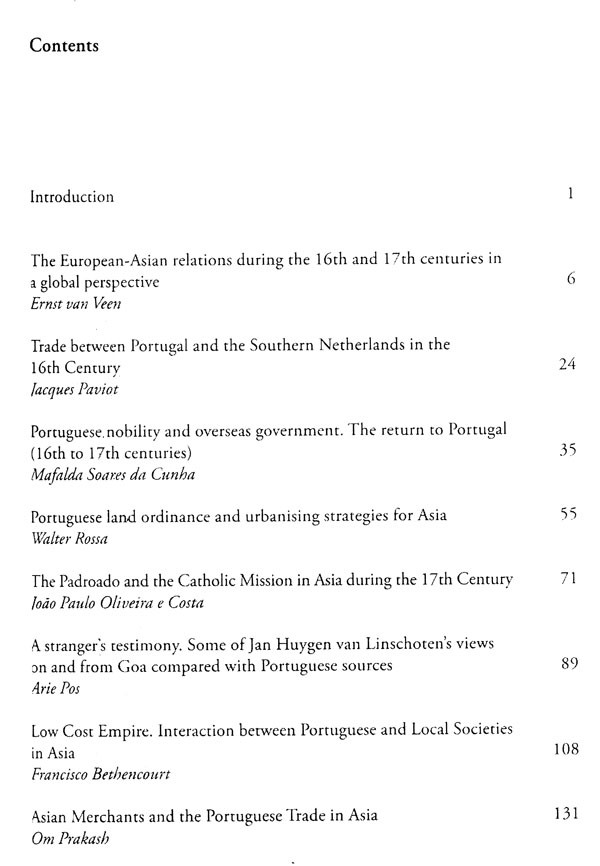
**Contents and Sample Pages**