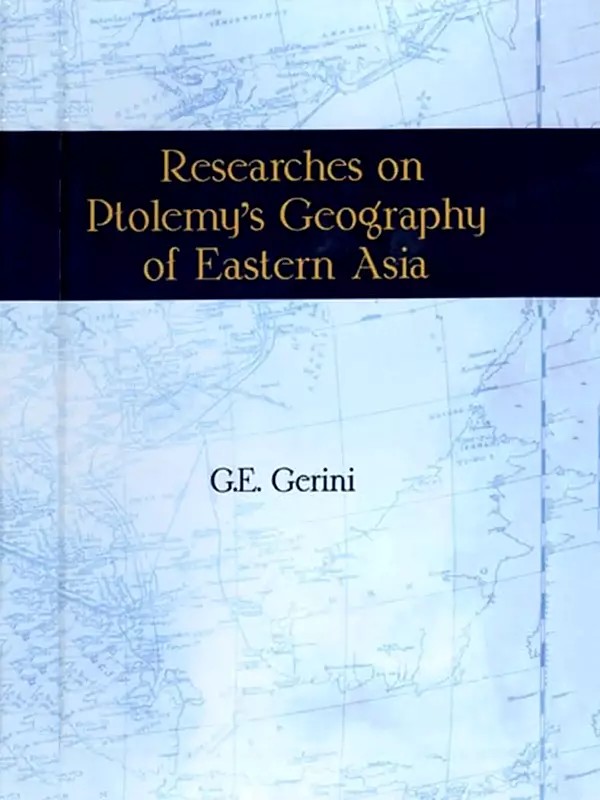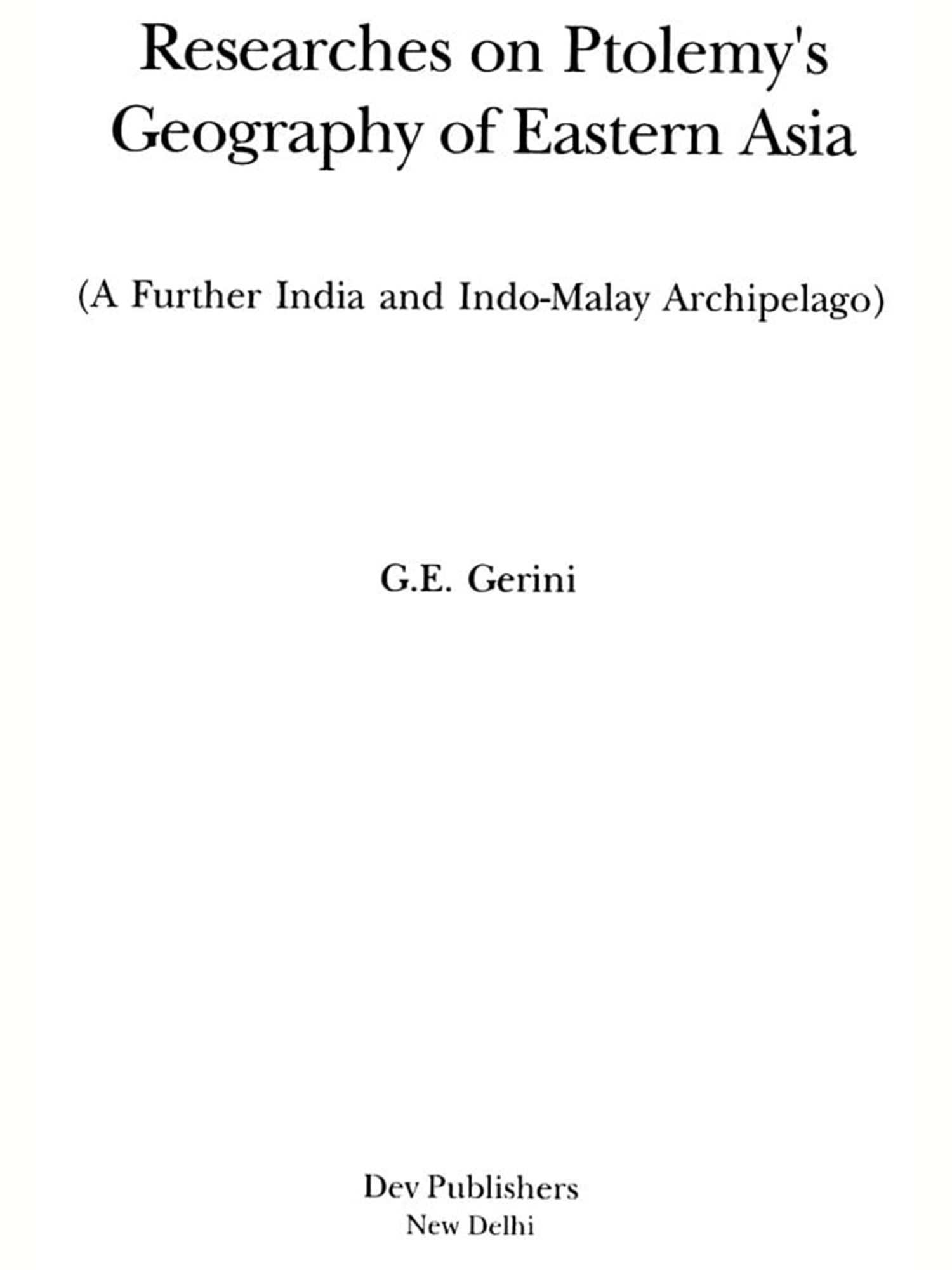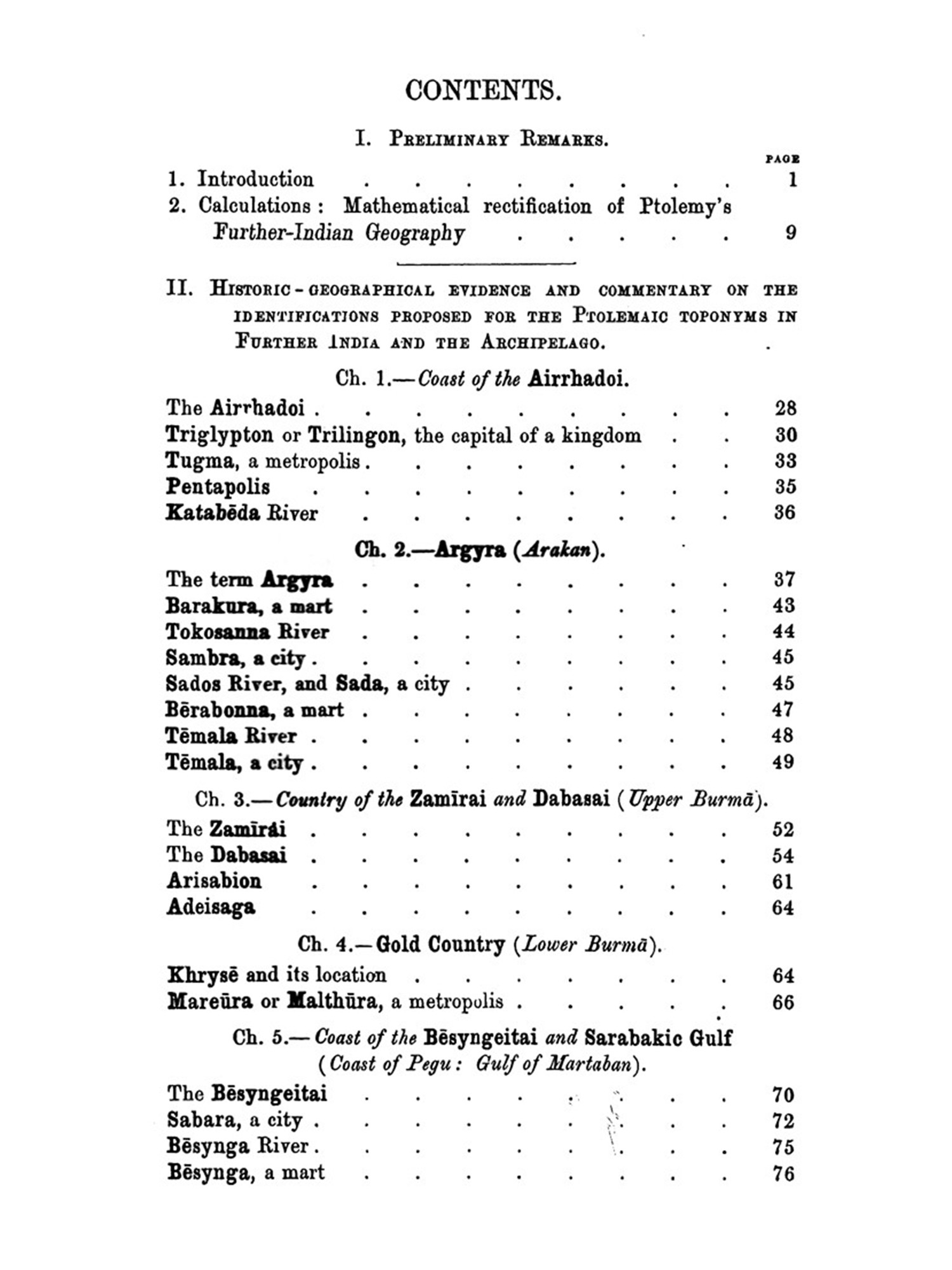

| Specifications |
 |
Publisher: Dev Publishers And Distributors |
| Author G. E. Gerini | |
| Language: English | |
| Pages: 945 | |
| Cover: HARDCOVER | |
 |
9x6 inch |
 |
Weight 1.26 kg |
| Edition: 2025 | |
| ISBN: 9789359448923 | |
 |
HBM577 |
| Delivery and Return Policies |
 |
Usually ships in 3 days |
 |
Returns and Exchanges accepted within 7 days |
 |
Free Delivery |


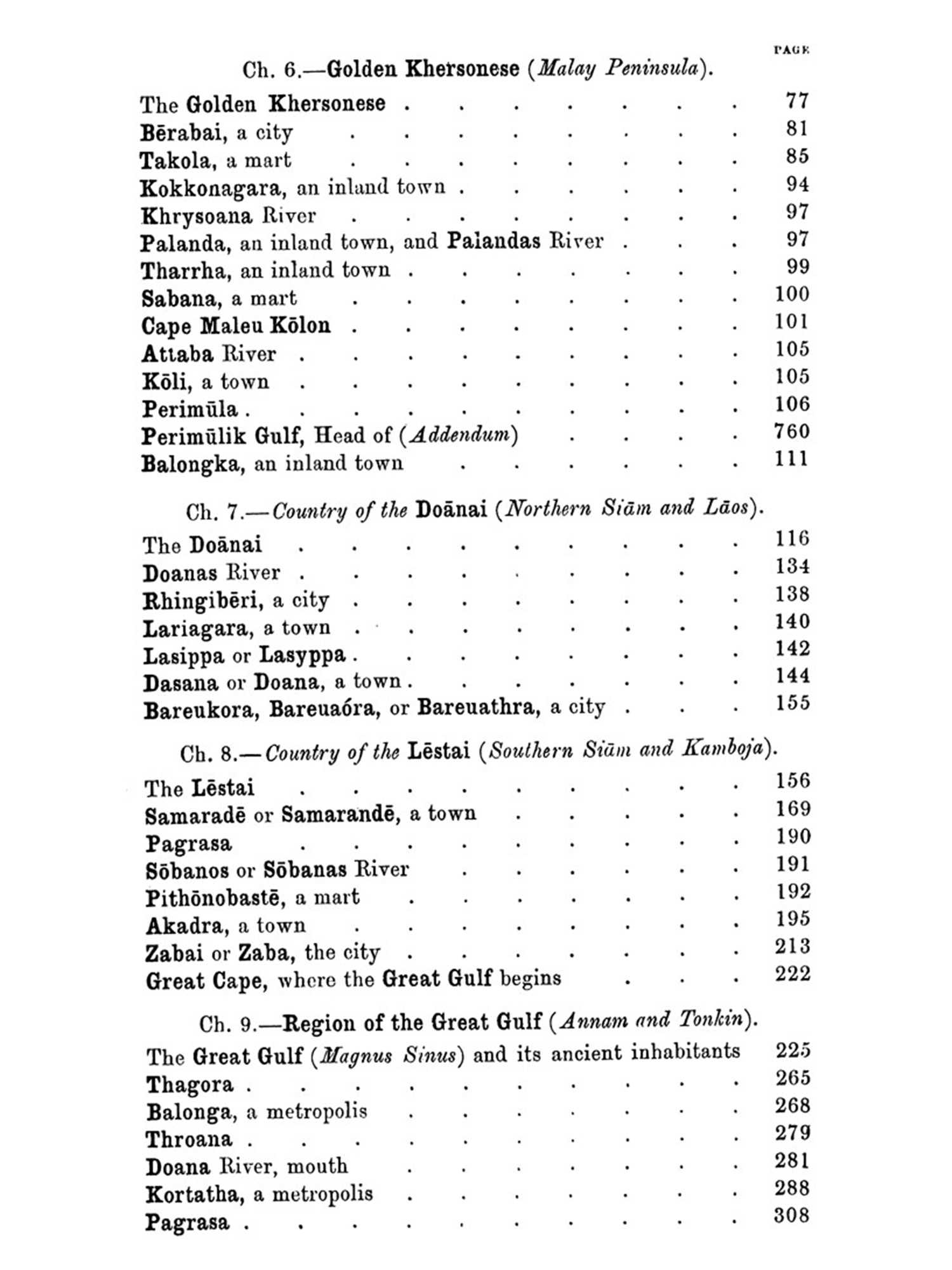
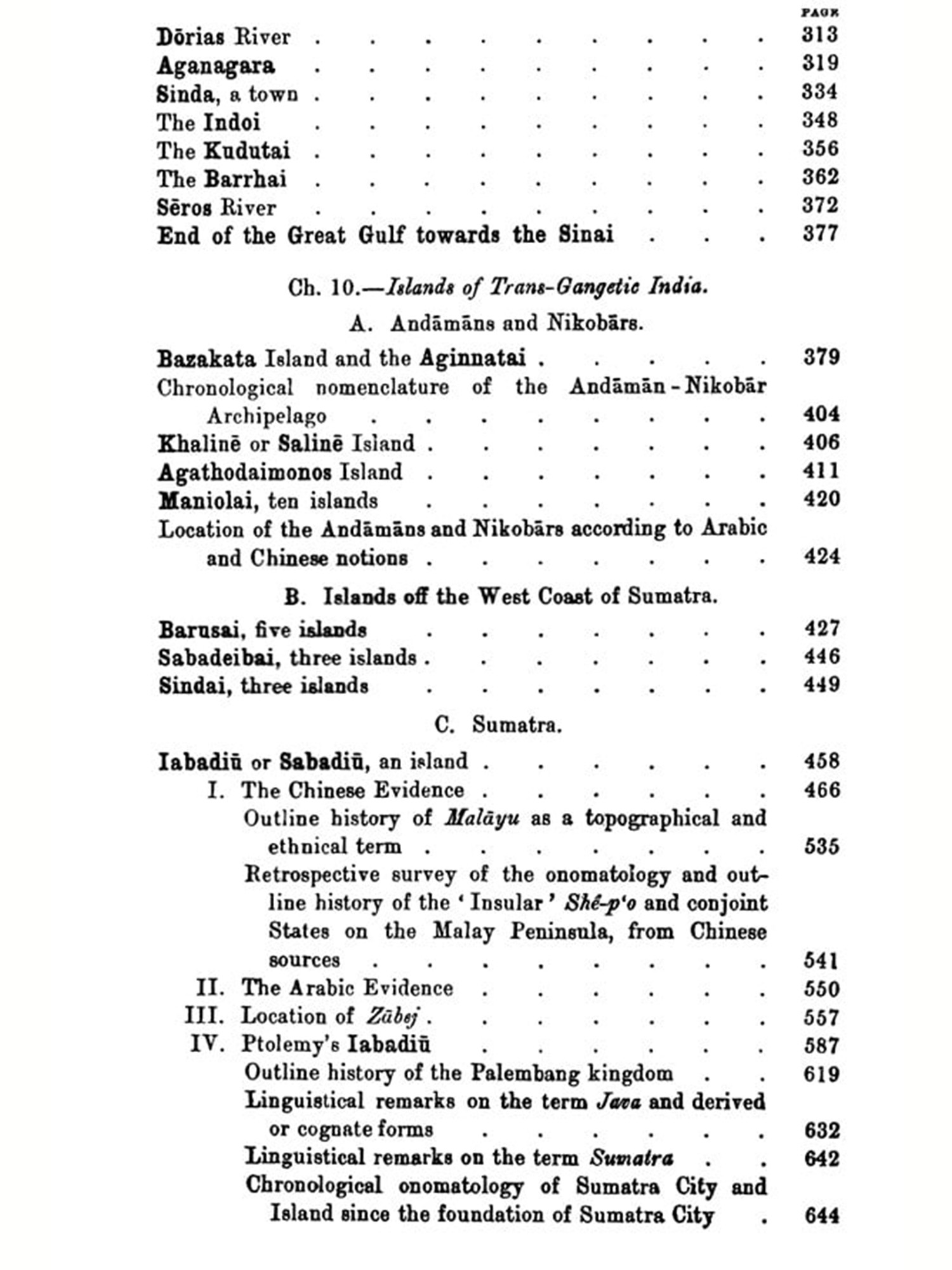
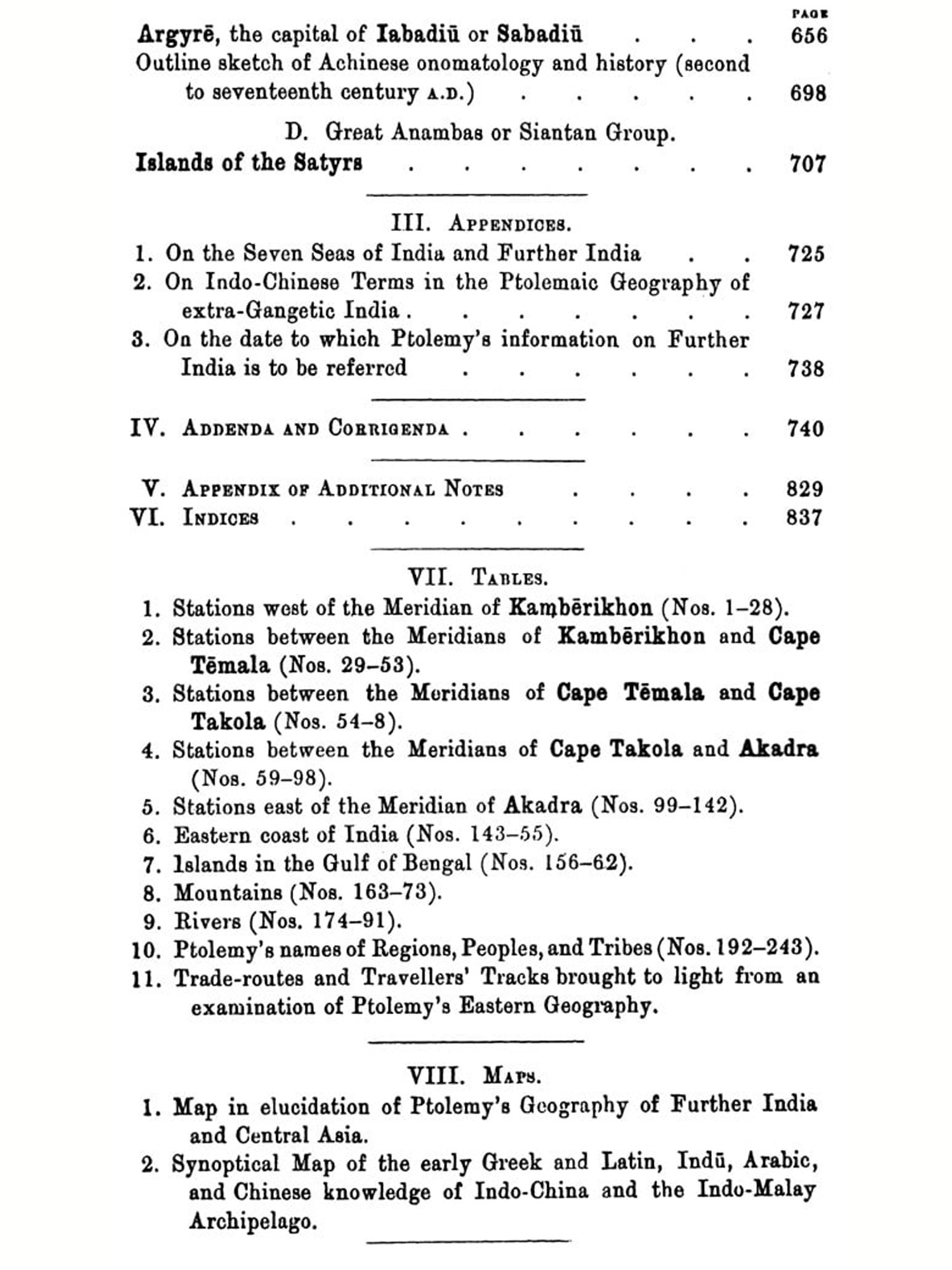
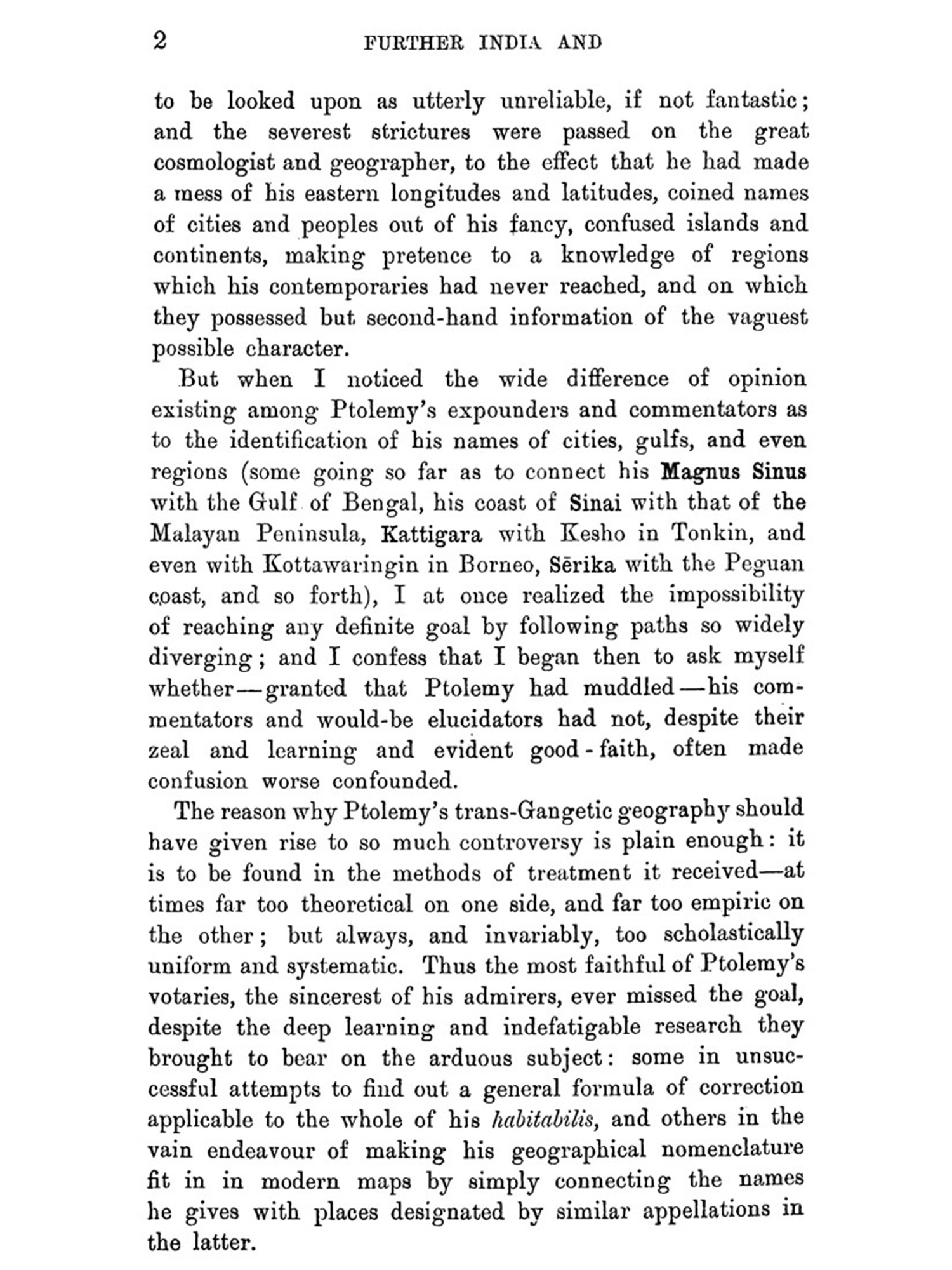
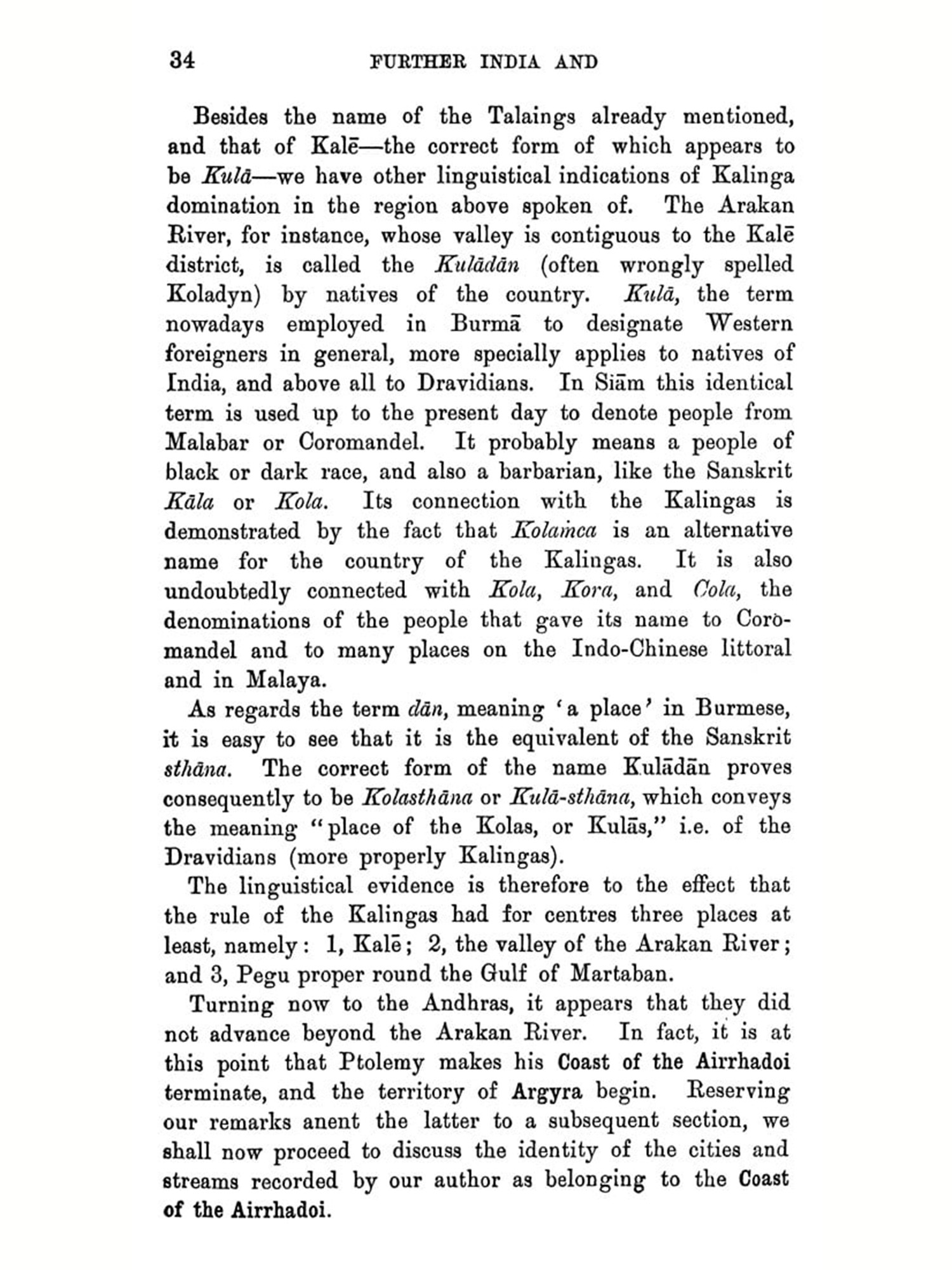
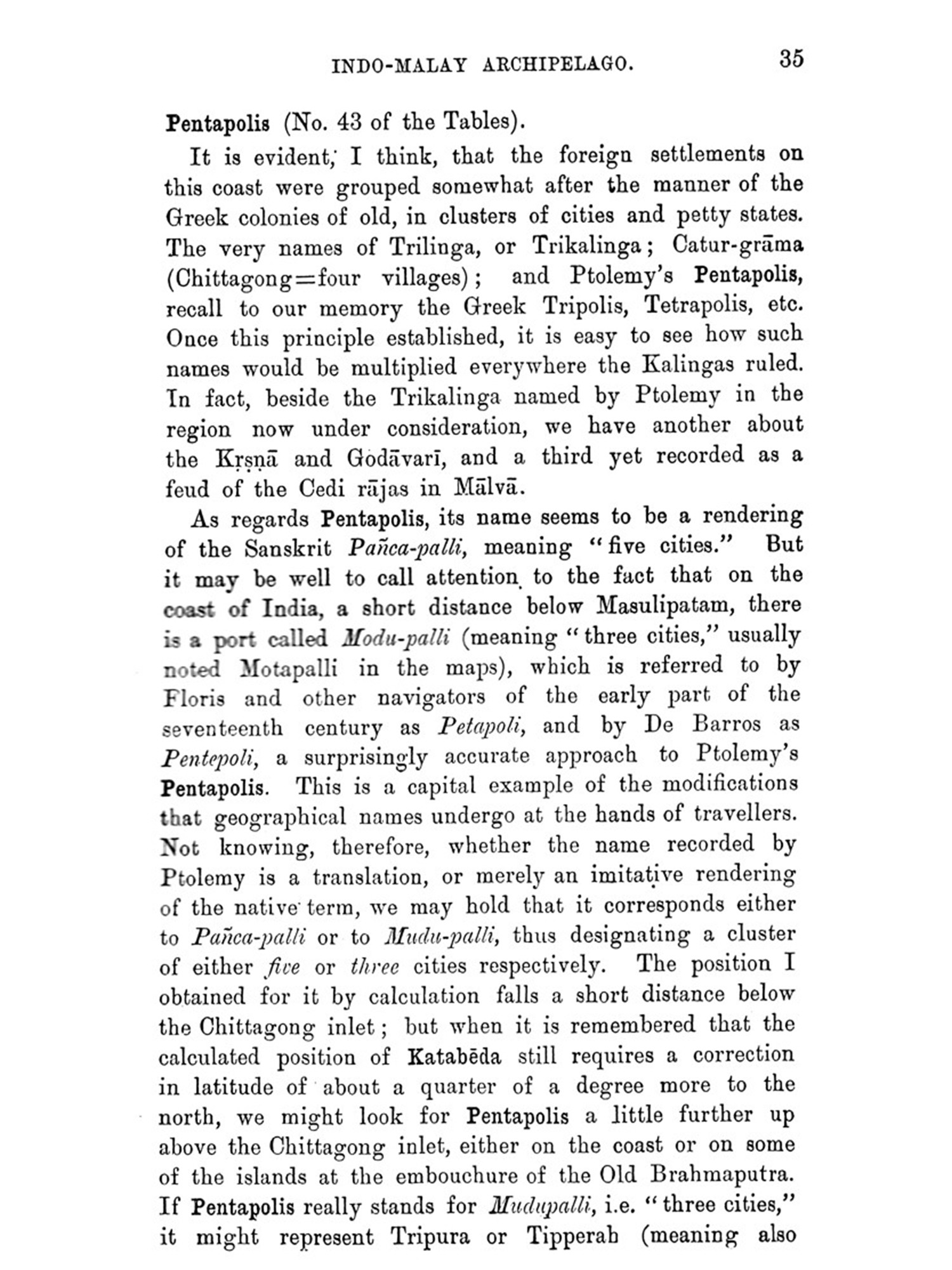
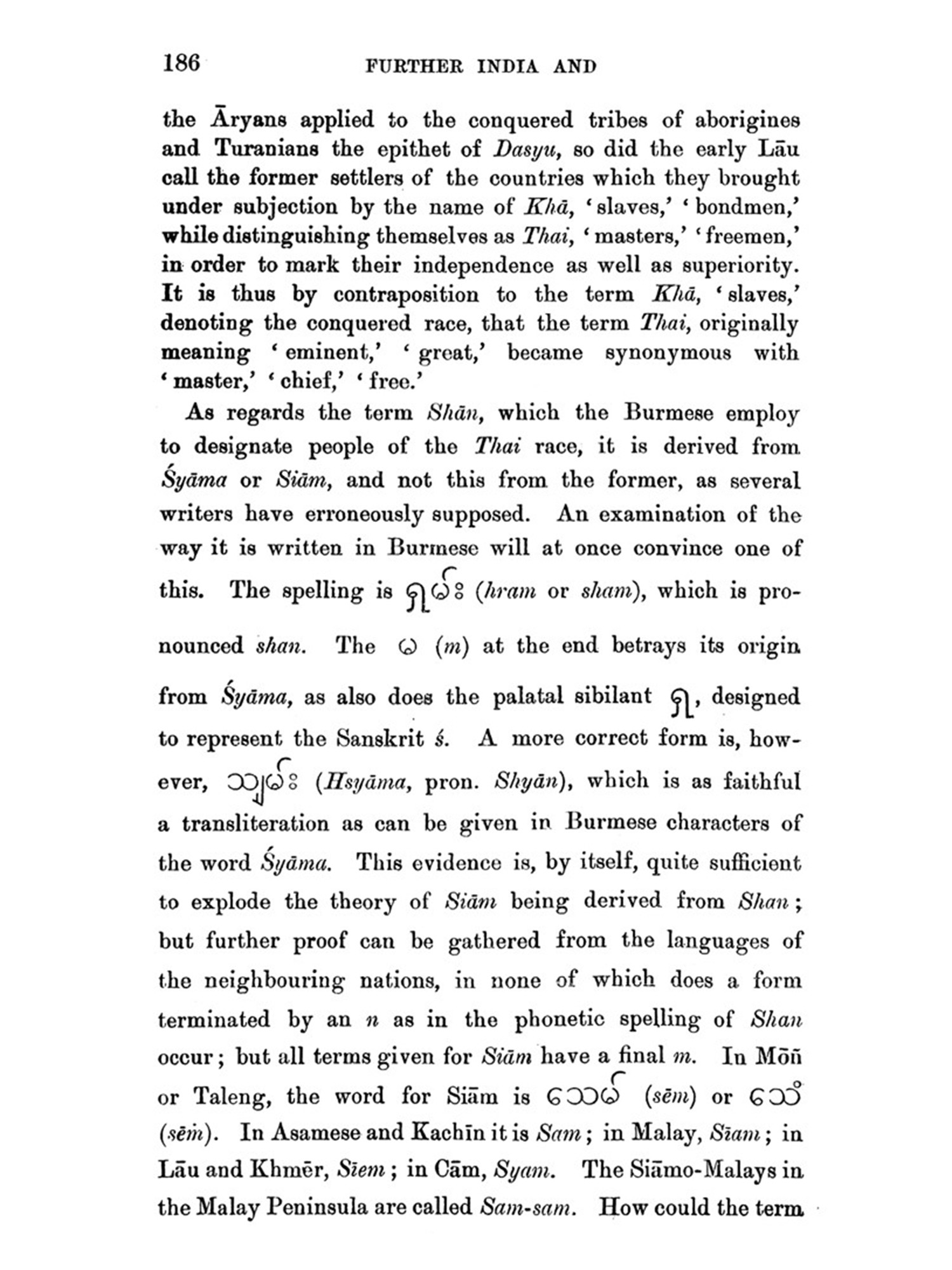
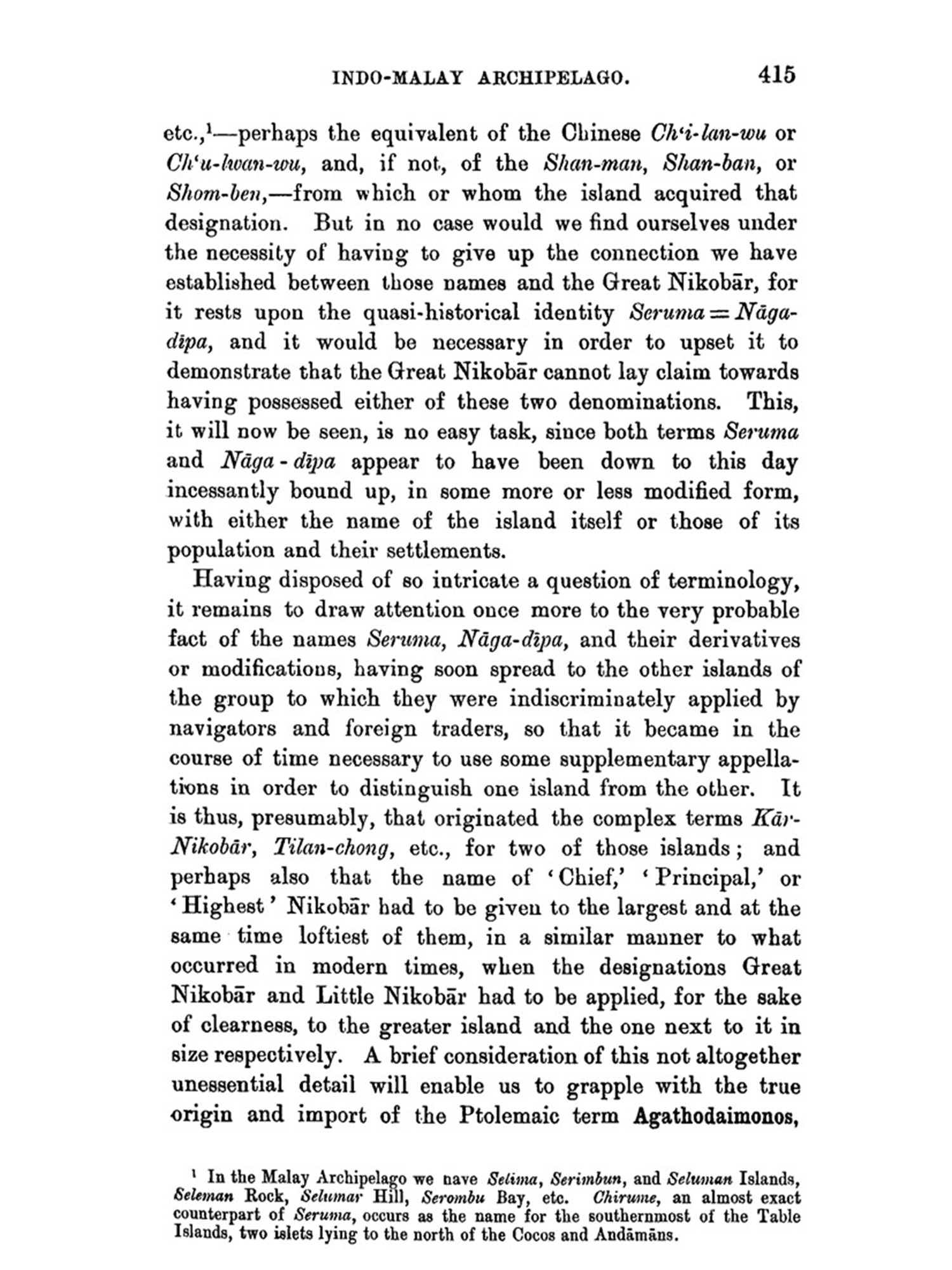
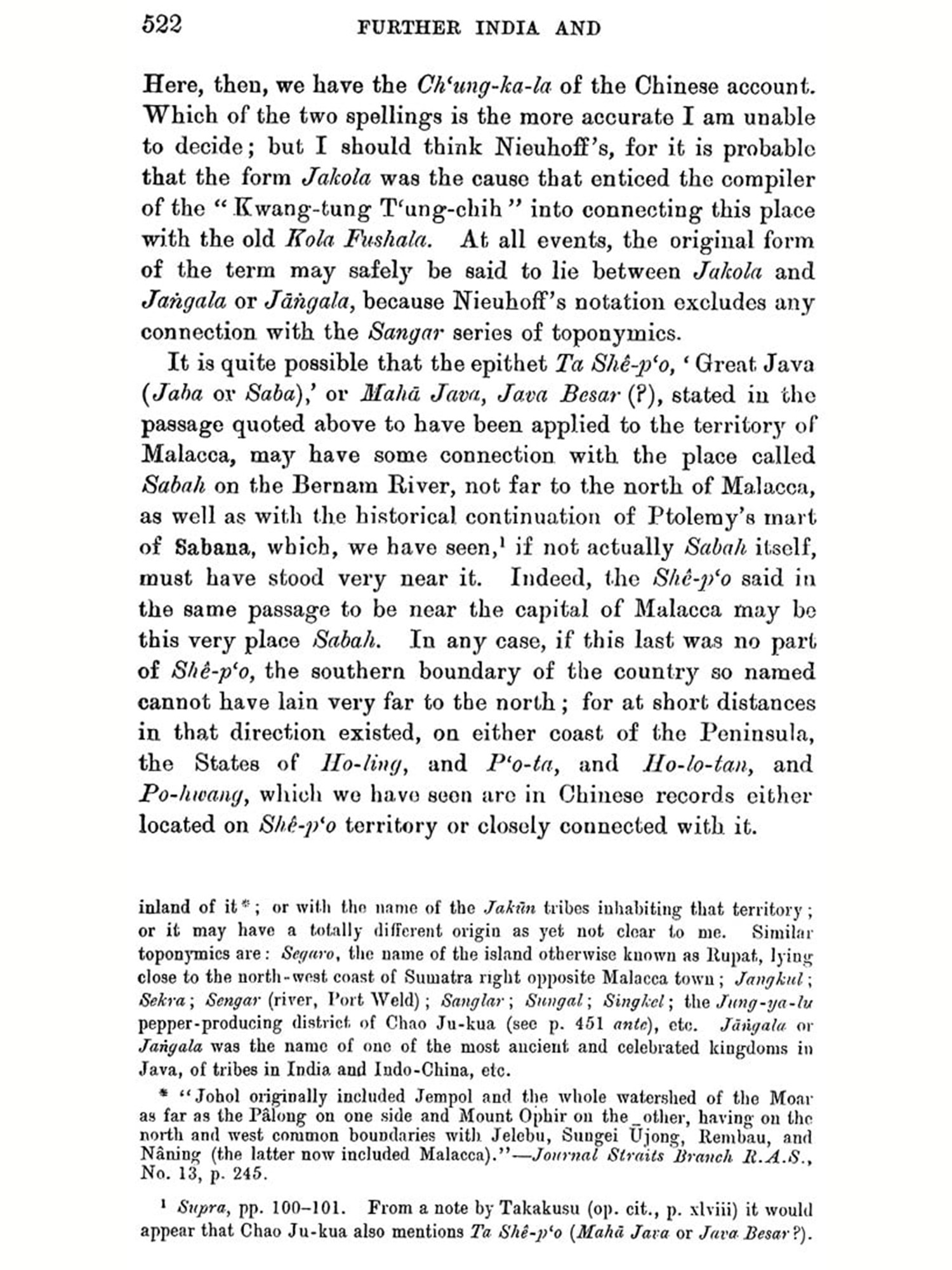
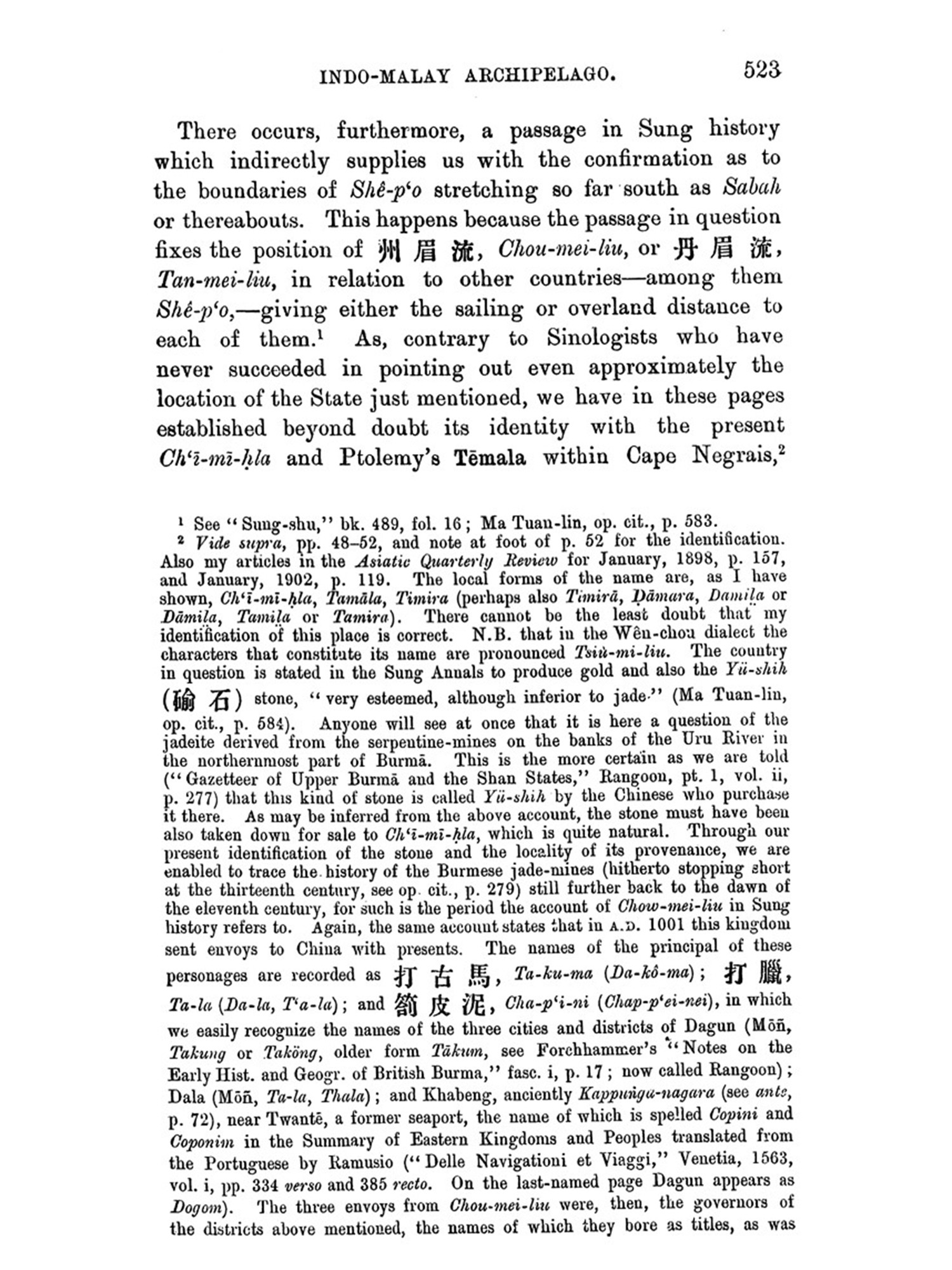
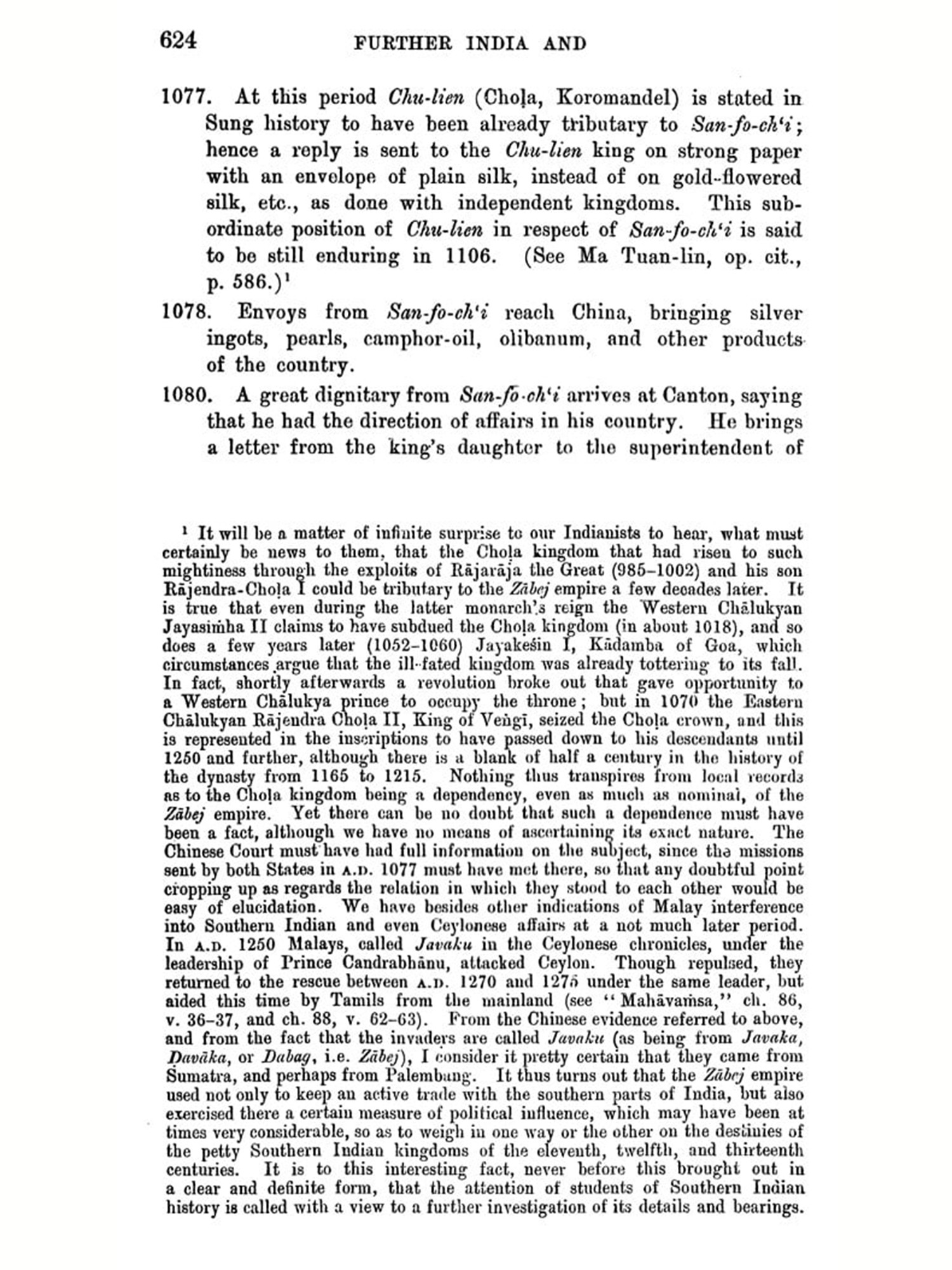
It is entirely due to the initiative of the Royal Asiatic Society in honouring this work with a place among its Asiatic Monographs that the original notes, jotted down in a cursory manner, definitely assumed the present form.
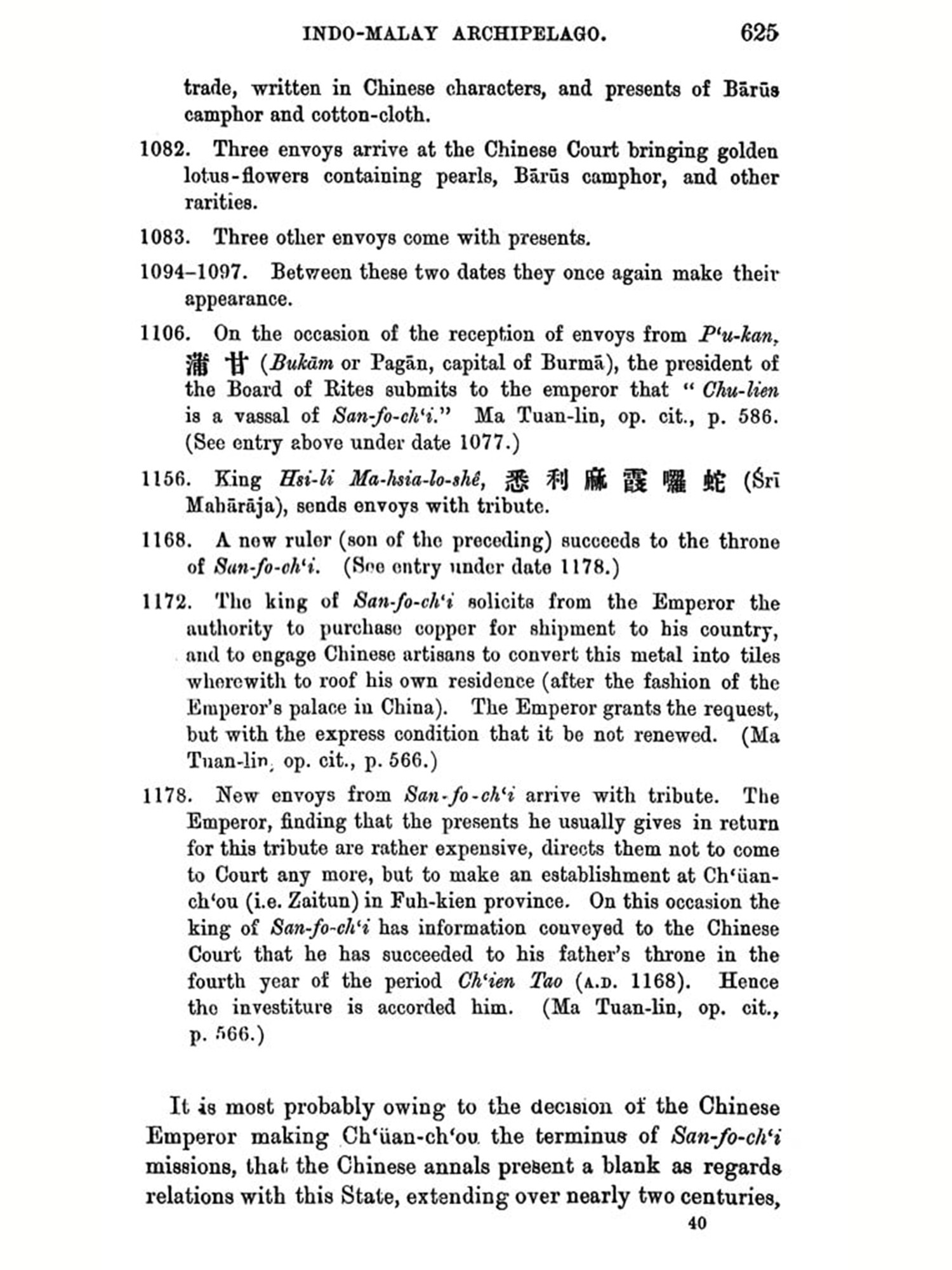
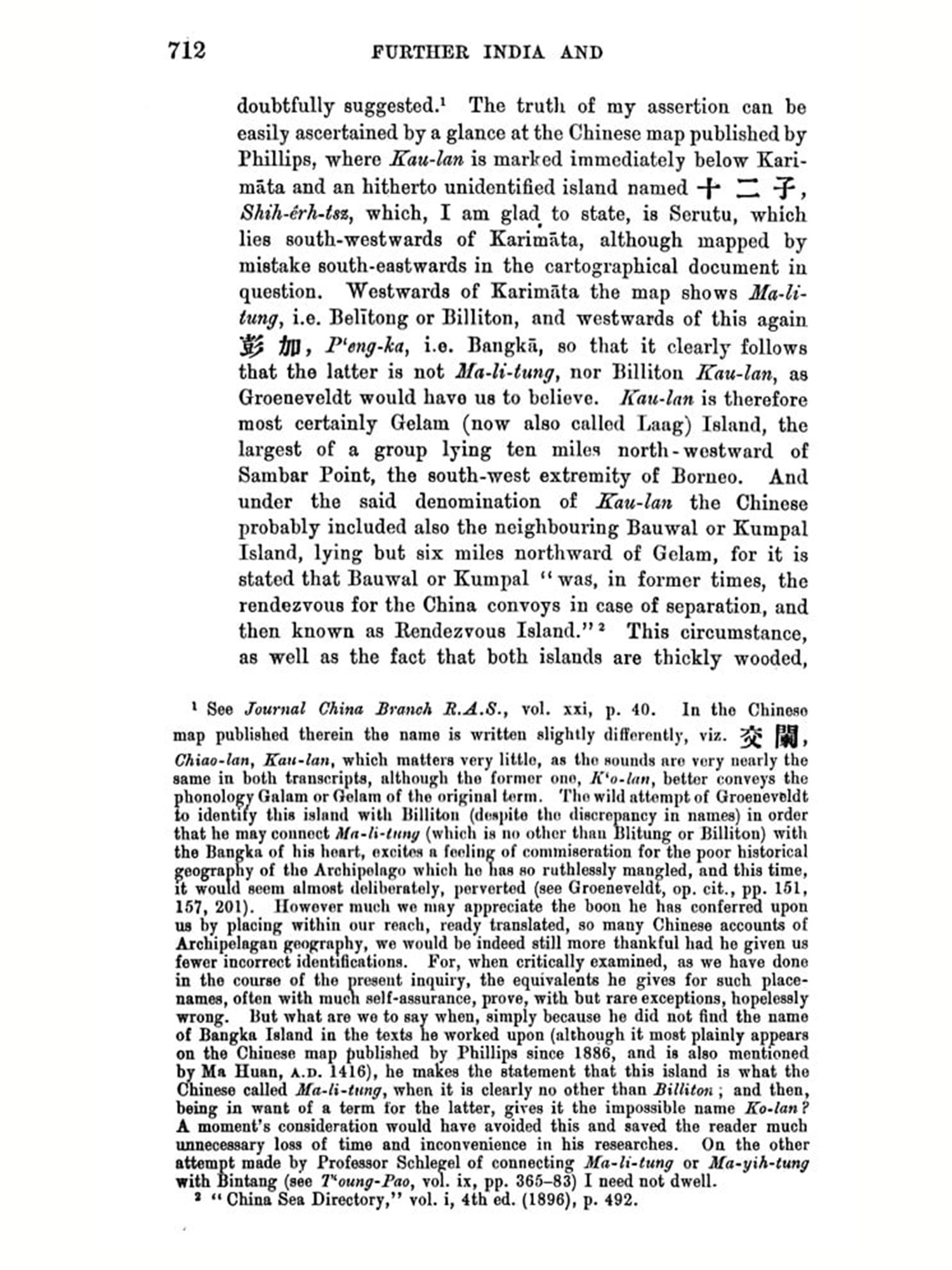
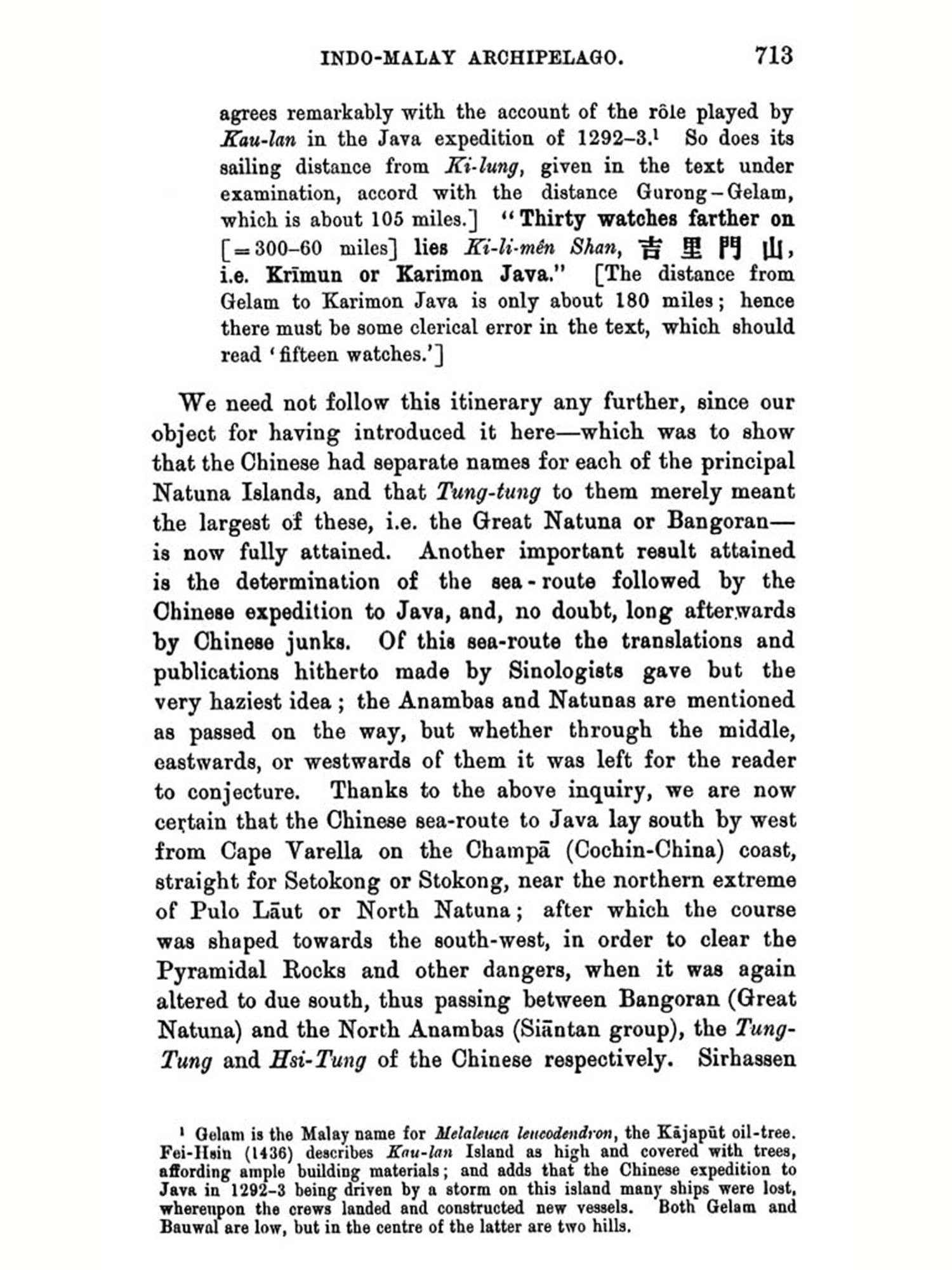
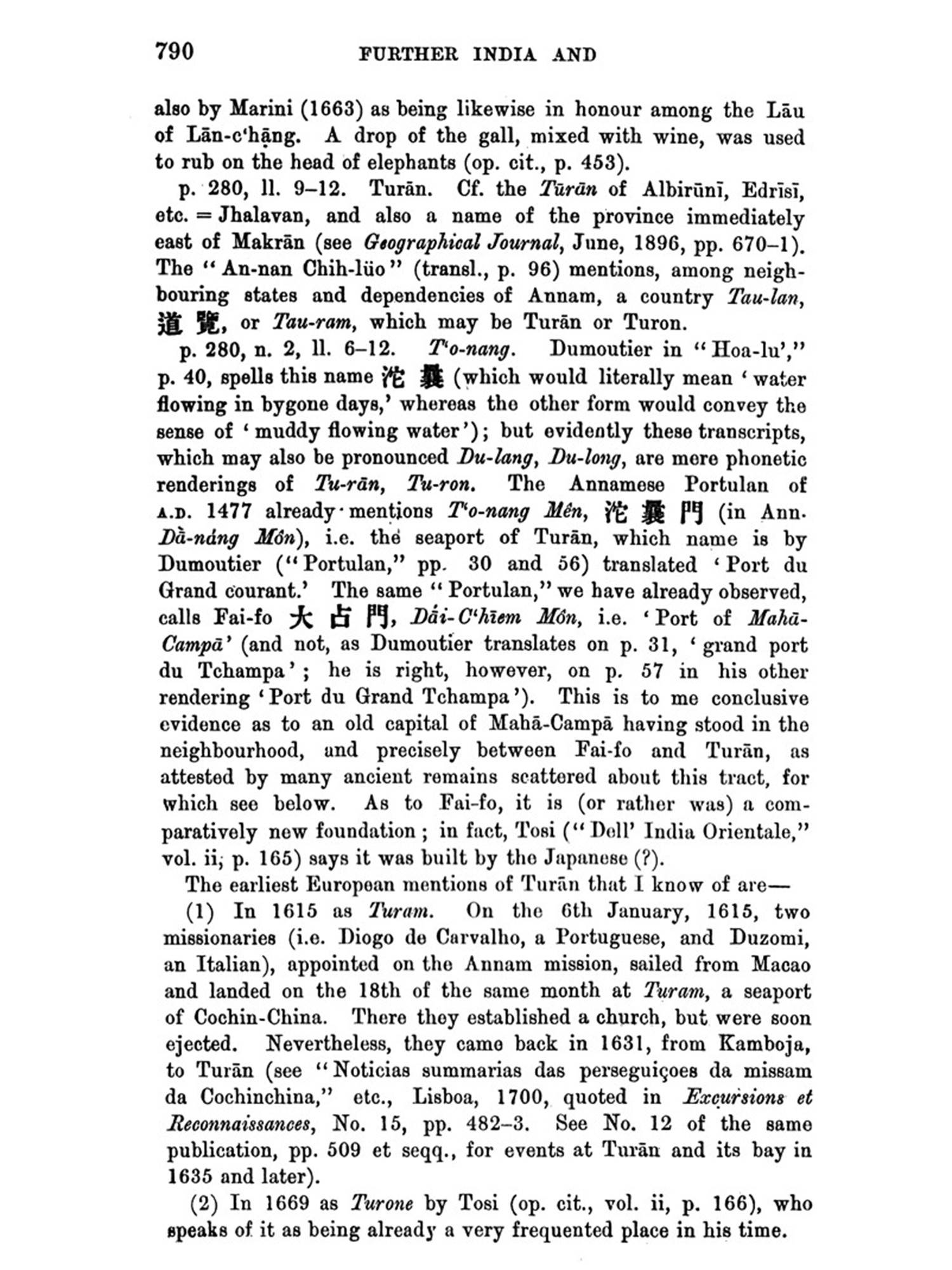
A start was made to put them into type as early as 1899, but the printing and preparation for the press lingered on year after year as the striving after greater comprehensiveness intensified research and disclosed new facts and issues. Thus the subject-matter steadily increased; considerable interpolations and additions suggested themselves and even became necessary in order to bring the work up to date in the light of recent discoveries. This accounts for the far greater length of later chapters and for the more diffused treatment which the subject received after the first hundred pages or so in comparison with the earlier ones.
























Send as free online greeting card