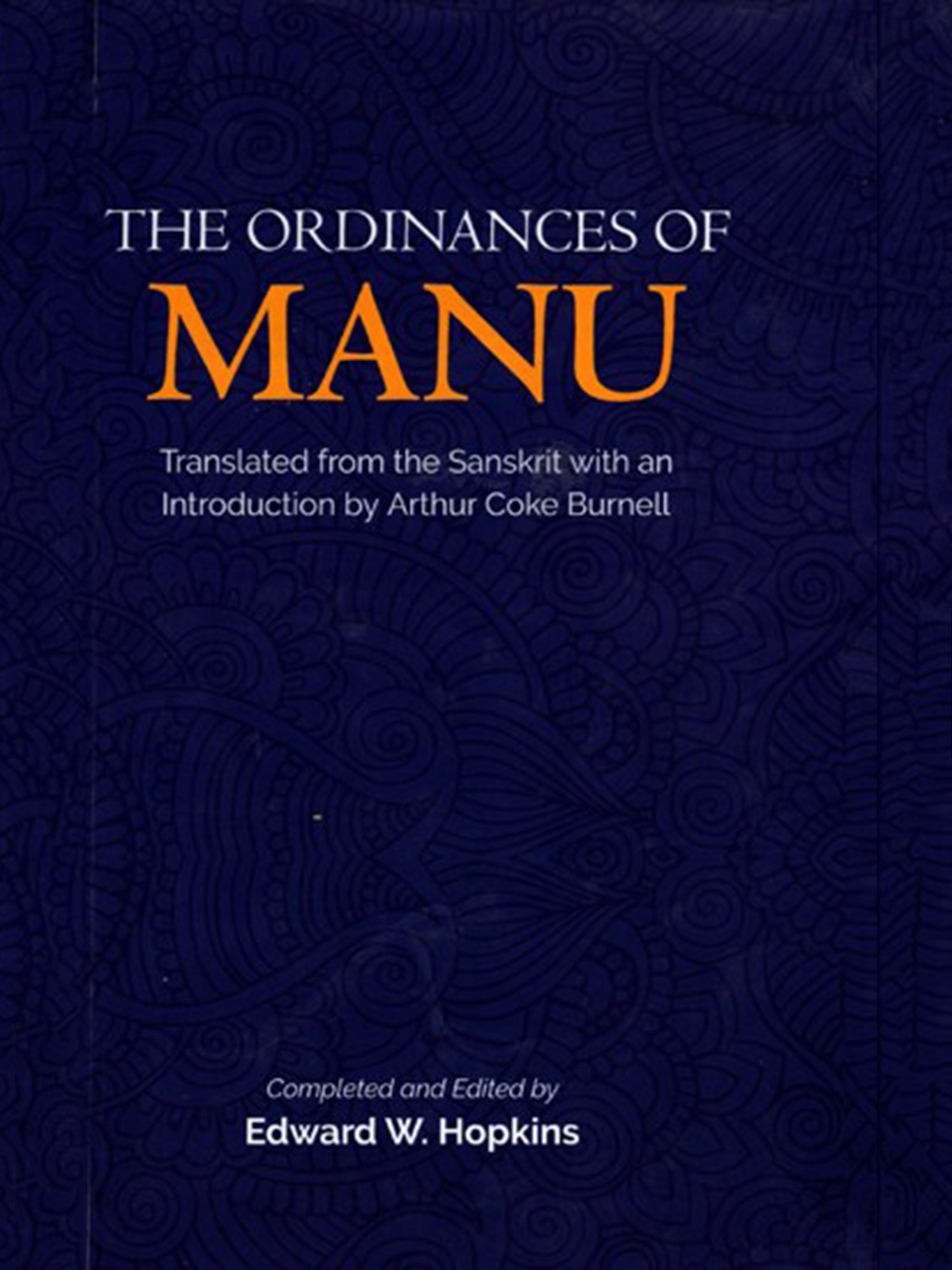

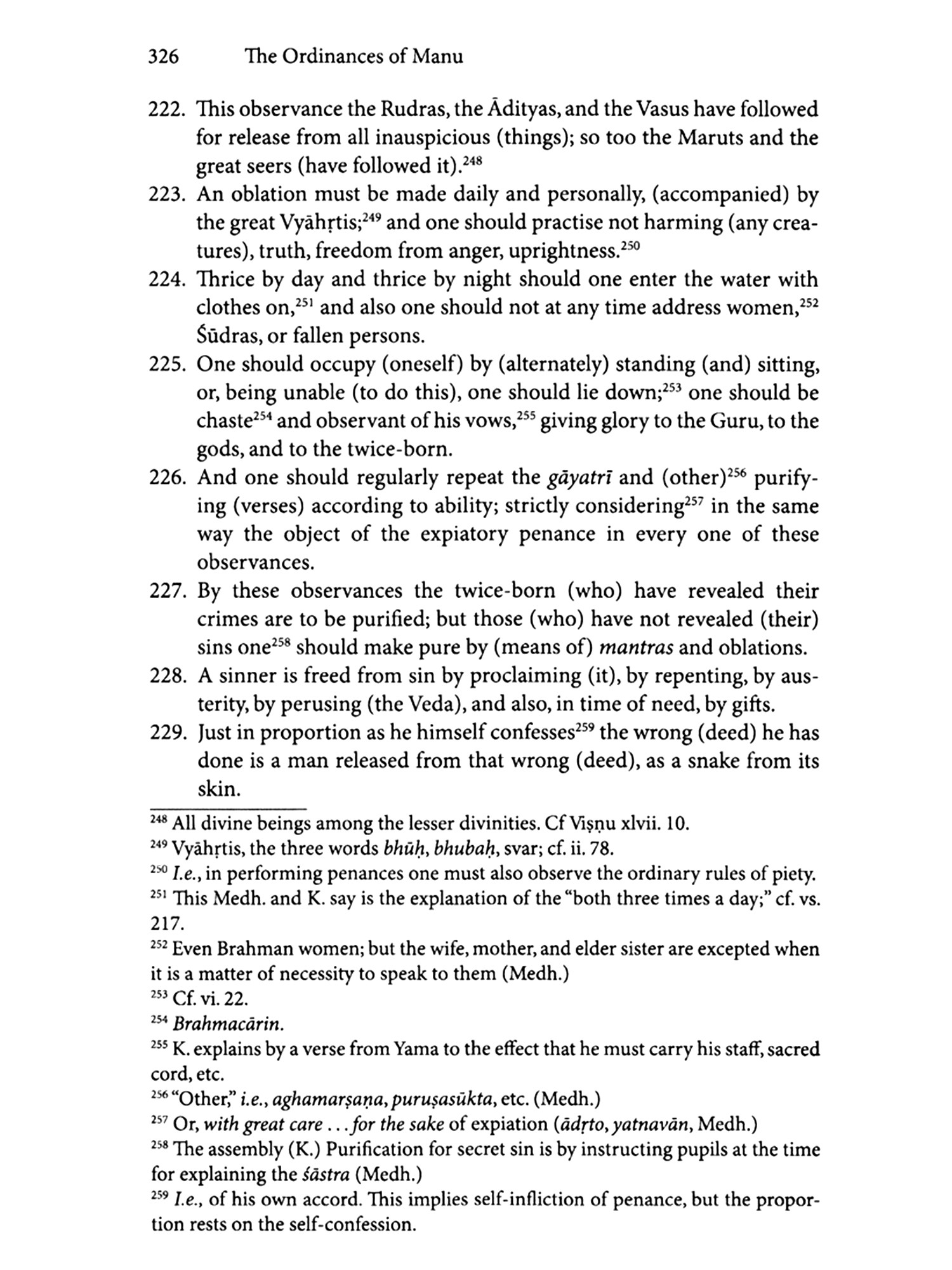
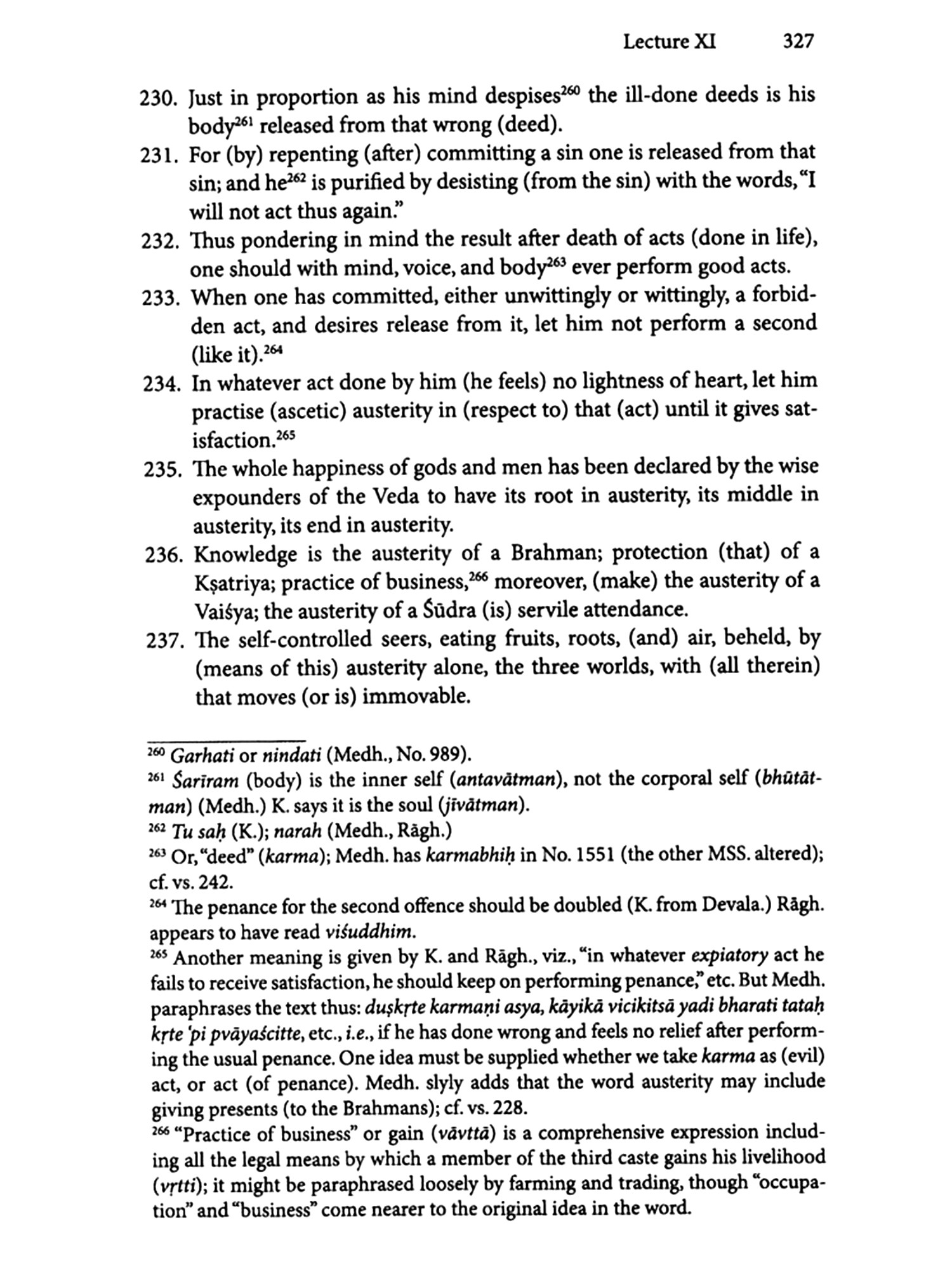
The Ordinances of Manu (Translated from the Sanskrit with an Introduction by Arthur Coke Burnell)

| Specifications |
 |
Publisher: Dev Publishers And Distributors |
| Author Edited By Edward W. Hopkins | |
| Language: English | |
| Pages: 351 | |
| Cover: HARDCOVER | |
 |
9x6 inch |
 |
Weight 568 gm |
| Edition: 2025 | |
| ISBN: 9789359443348 | |
 |
HBM574 |
| Delivery and Return Policies |
 |
Usually ships in 3 days |
 |
Returns and Exchanges accepted within 7 days |
 |
Free Delivery |


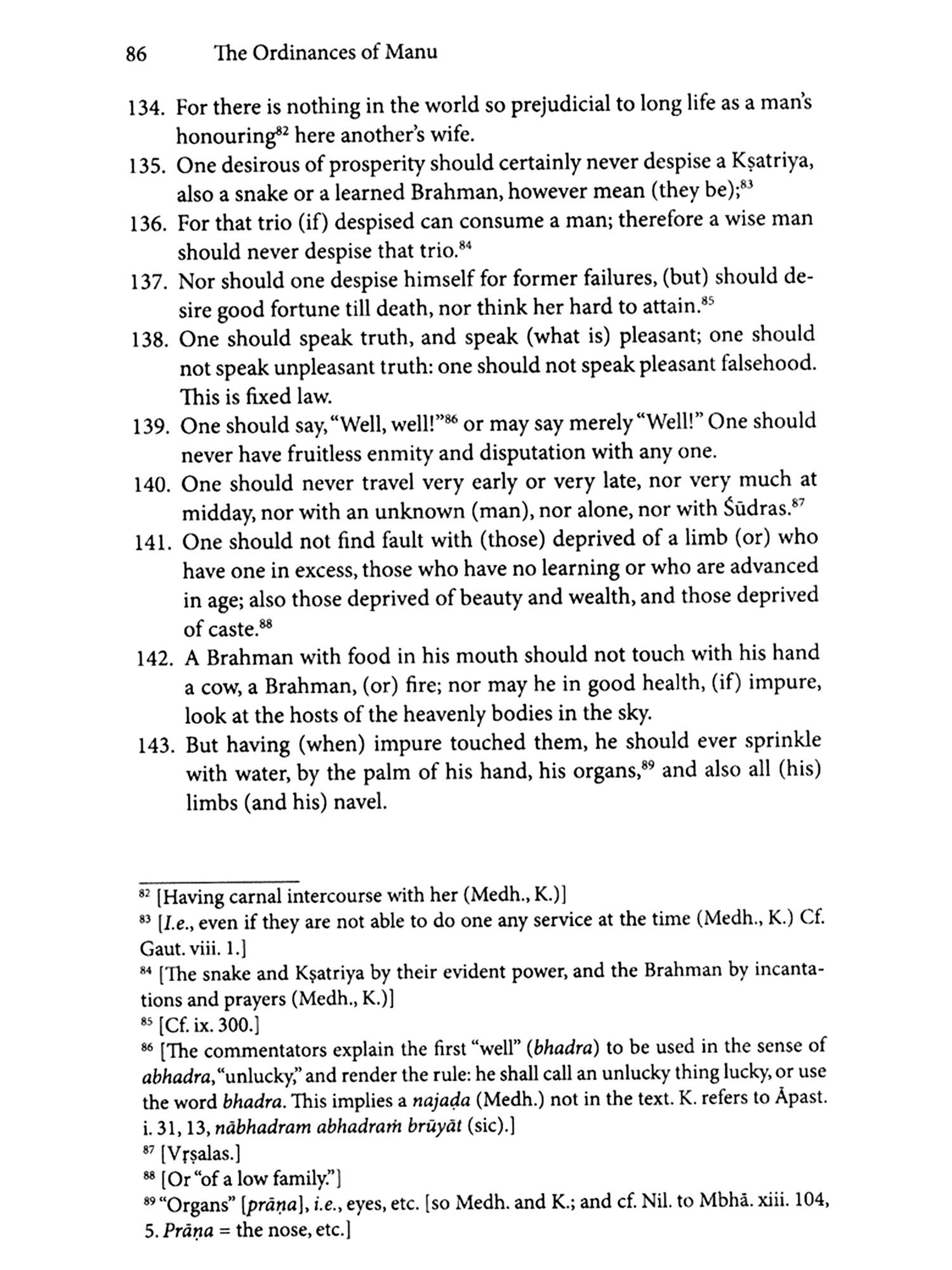
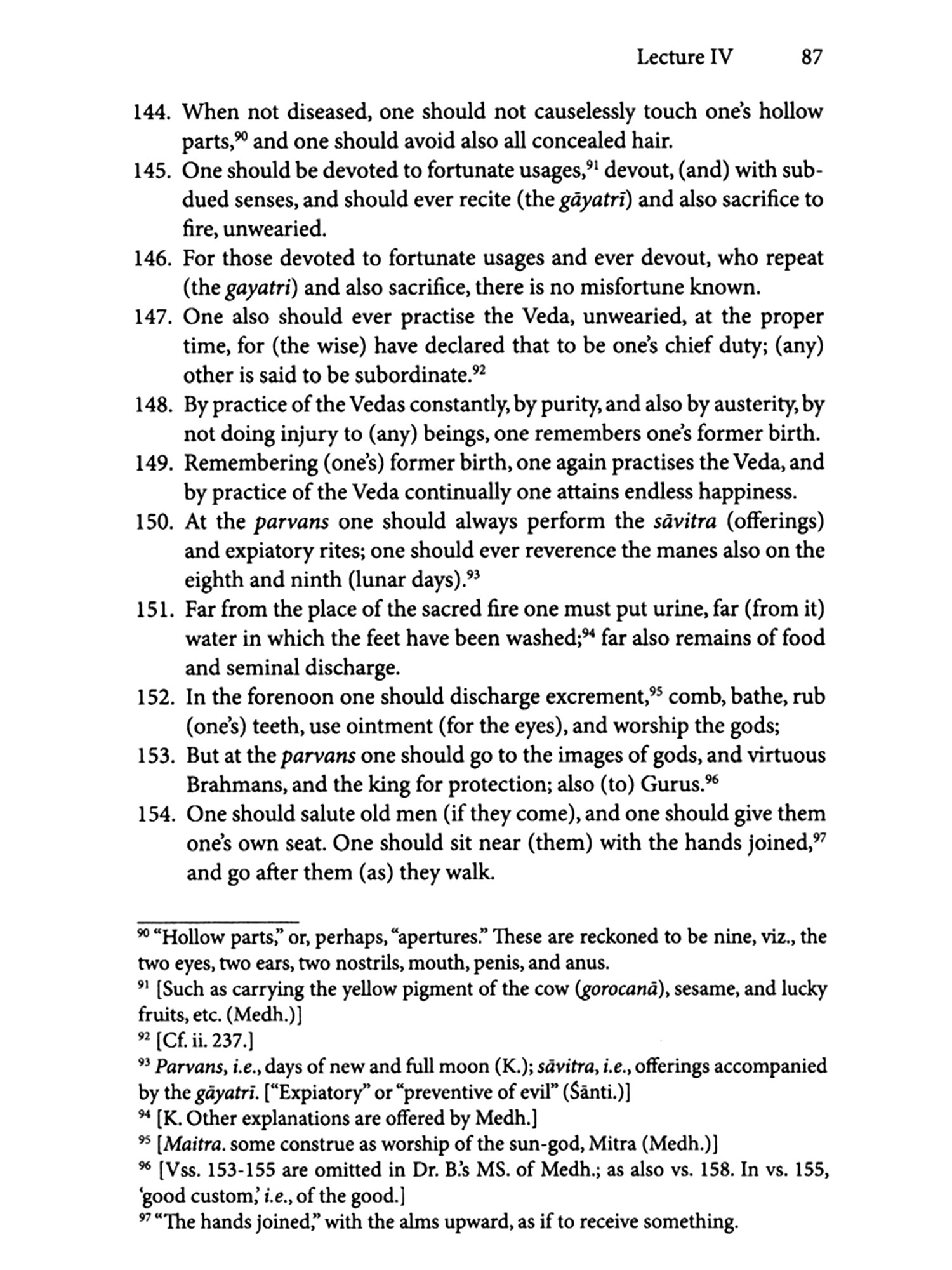
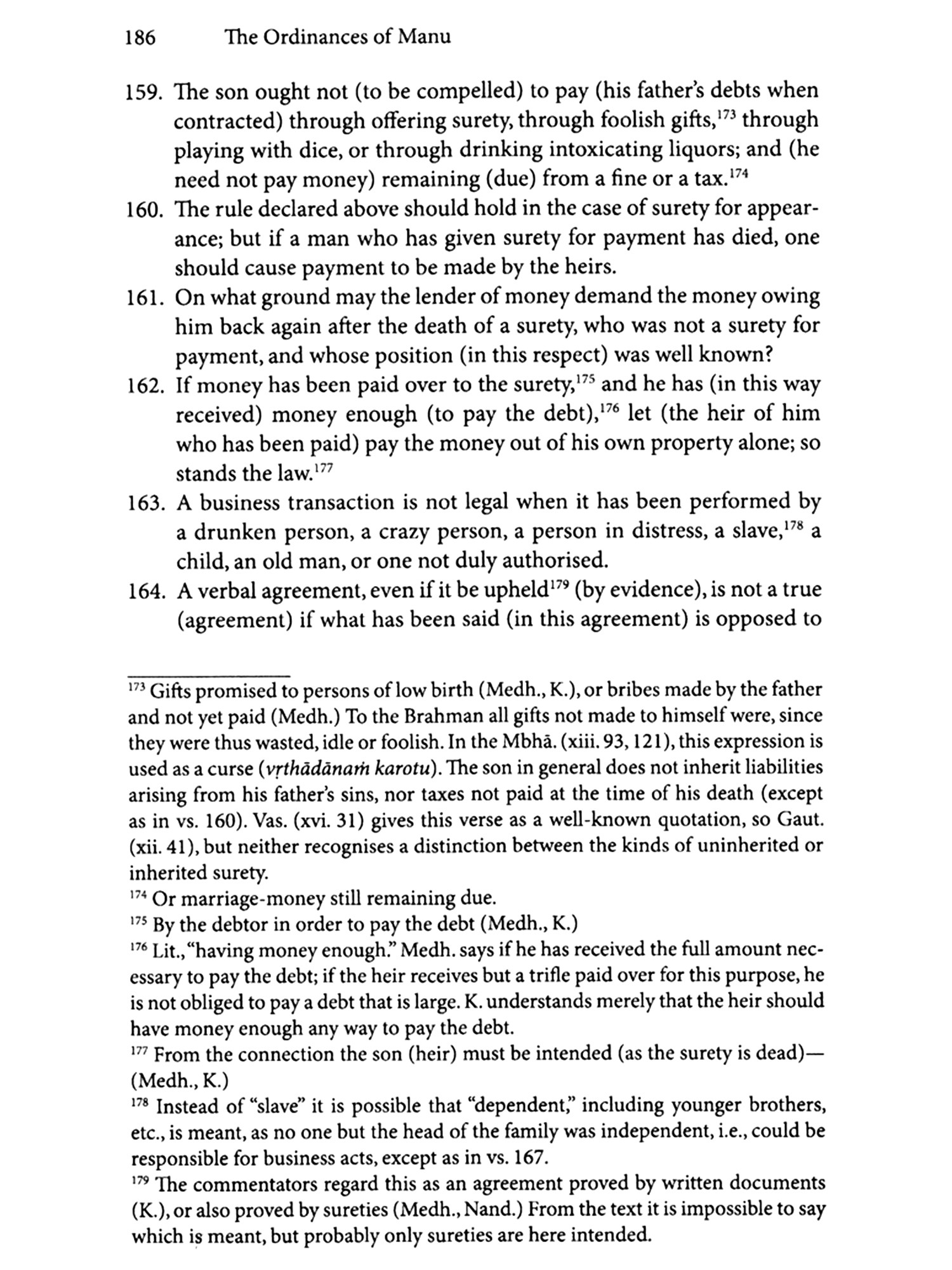
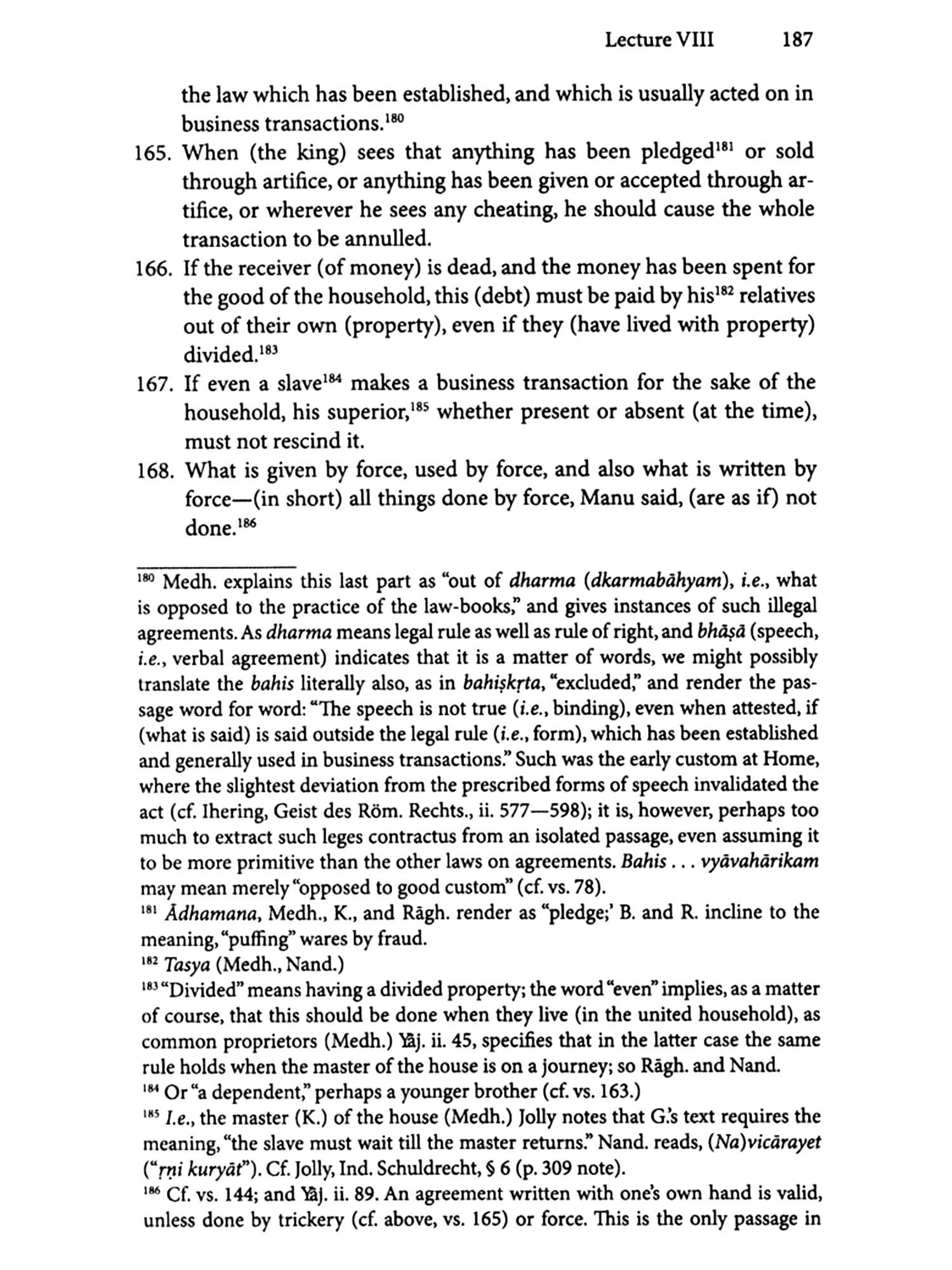
The present volume contains this final memorial of Dr. Burnell, and is now offered to the public with such additions only as appeared to the editor to be absolutely necessary. Of the lessened worth unavoidably arising from the transfer of the work to one lacking the skill and scholarship of the author of the translation, the editor himself is fully aware.
The book's plan and purpose have been sufficiently discussed by Dr. Burnell in the following Introduction, and nothing further is needed on that score except in so far as the editor may have laid himself open to the charge of deviating from the method proposed by the author. On that point he would remark: the author of the translation has defined the line of interpretation as based on the text of Kullūka, over against modifications of that text by acceptance of the varied readings found in Medhätithi.








-
Q. What locations do you deliver to ?A. Exotic India delivers orders to all countries having diplomatic relations with India.
-
Q. Do you offer free shipping ?A. Exotic India offers free shipping on all orders of value of $30 USD or more.
-
Q. Can I return the book?A. All returns must be postmarked within seven (7) days of the delivery date. All returned items must be in new and unused condition, with all original tags and labels attached. To know more please view our return policy
-
Q. Do you offer express shipping ?A. Yes, we do have a chargeable express shipping facility available. You can select express shipping while checking out on the website.
-
Q. I accidentally entered wrong delivery address, can I change the address ?A. Delivery addresses can only be changed only incase the order has not been shipped yet. Incase of an address change, you can reach us at help@exoticindia.com
-
Q. How do I track my order ?A. You can track your orders simply entering your order number through here or through your past orders if you are signed in on the website.
-
Q. How can I cancel an order ?A. An order can only be cancelled if it has not been shipped. To cancel an order, kindly reach out to us through help@exoticindia.com.