
Back of the Book
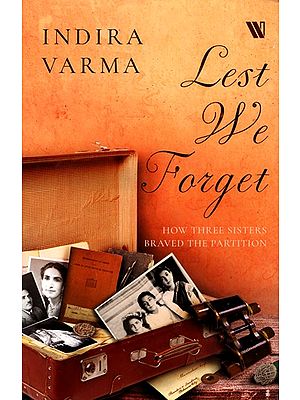
'Lest We Forget is an exceptional memoir that captivates readers with its powerful messages of courage, compassion and conviction. Through meticulous attention to detail and a focus on the everyday lives of those affected, Indira Varma brings forth the immense suffering and bravery that characterised the Partition era. While delving into the pain and trauma endured by individuals, the book also offers glimpses of hope, renewal and the indomitable human spirit that transcended the challenges of that time. It invites readers to engage with a deeply moving narrative that sheds light on the human experiences behind the partition of India.
About the Book
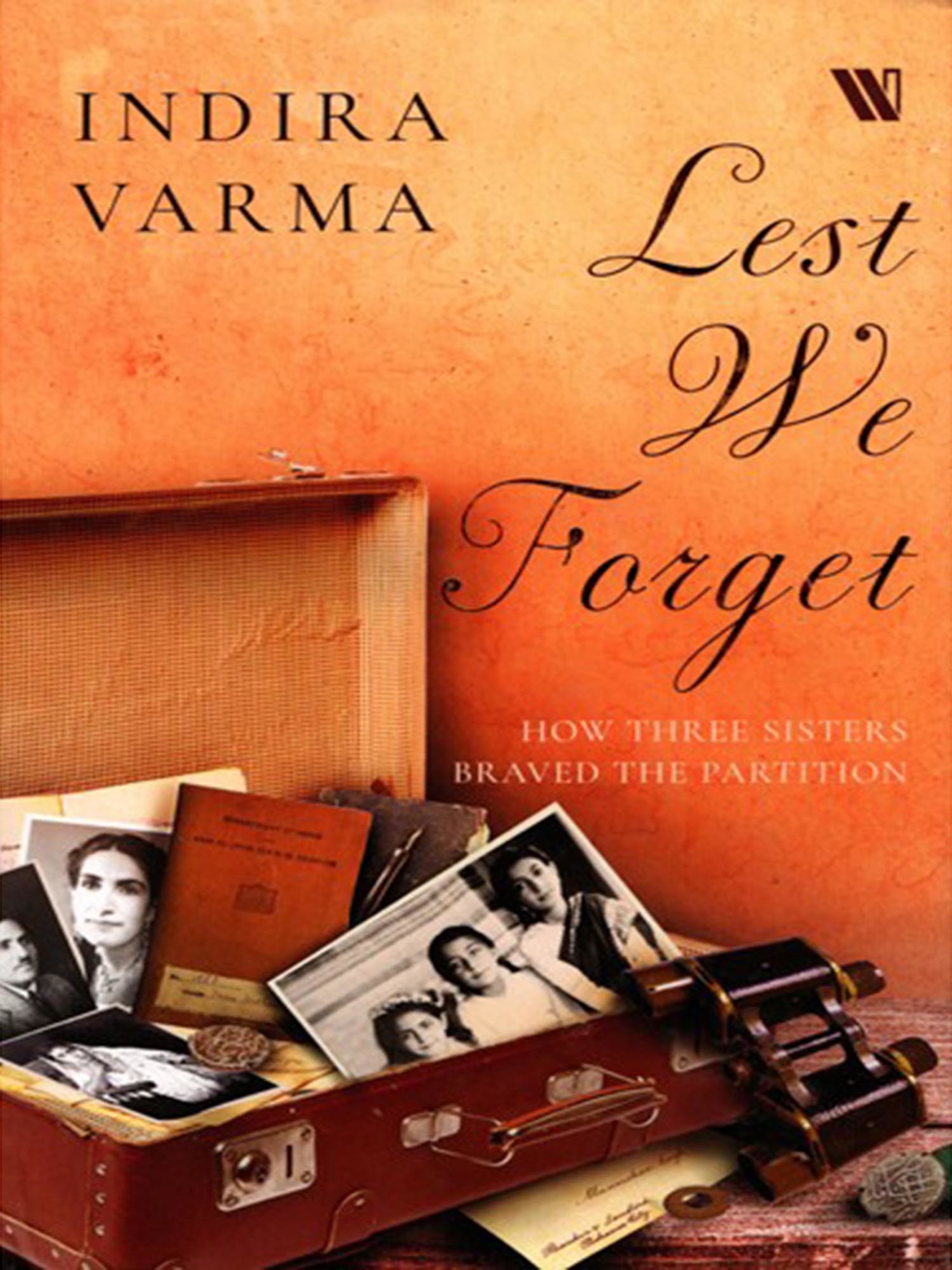
Indira Varma was six years old when she first heard of the impending partition of India. Soon, it would sweep her and her family up in its wake.
They would leave behind in Peshawar a fabulous house and vast lands, their horses and cars, in fact, an entire way of life. A family that had gifted the clock tower in Peshawar to Queen Victoria would go on to live a life of poverty as homeless refugees in India. Like the millions it affected, for Indira Varma too, the Partition was a sear that would remain, even as the wound healed with the passing of time.
In Lest We Forget, Varma lets her memory stretch as far back as it will. She recounts her family's years as refugees, her life shuttling between cities and towns until she finally settles in Delhi, and her journey to building a successful business in travel. Against all odds, Varma weaves for herself a life rich with poetry, family and friendships.
This is the story of lives upturned by the Partition, but it is also an ode to the power of love and that thing called hope.
About the Author
INDIRA VARMA (b. 10 October 1940) retired from active nine-to-five jobs in 1986. After having worked with Citibank. Thomas Cook and a stint as honarary director, Travel, Festival of India, she became an entrepreneur. She launched a much-lauded travel vertical, which included books, the first-ever visa service, IVS, software distribution through the newly arrived global distribution system, outsourcing of visas, and an API website (www.ivsource.com) that is still active and running with a prestigious travel technology company. After fifty years of working, Indira now devotes much of her time to poetry, music and writing. Currently, she is translating her father's poetry, which runs into many volumes, into English. She lives in Delhi.
Foreword
MUCH HAS BEEN WRITTEN ABOUT THE PARTITION OF INDIA THAT claimed the lives of approximately one million people and rendered over 12 million people refugees. This unprecedented exchange of population caused untold trauma and unimaginable horrors. Some of these have been rendered as black-and-white facts by professional historians. Some have been recounted by creative writers in the vast amounts of partition literature in the languages of the people most affected by this human tragedy, namely, Urdu, Hindi, Punjabi and Bangla. Translations into English as well as original writings in English find their fair share amongst these attempts by a generation of survivors who lived through this horrific time. These can be seen as a form of 'narrativising history', that is, providing a supplementary way of understanding history through literature. These forms have an increasing validity at a time when the professional historian is bringing into question the traditional form of telling history.
First-person accounts have a special resonance, an attention to the small, everyday details, an interest in the minutiae of real lives that is often missing in dry, factual chronicles. They contain stories of suffering and endurance, pain and misery, even anger and guilt, as well as vignettes of hope and renewal, of courage and conviction, of rising above the constraints of time and circumstance.