About the Book
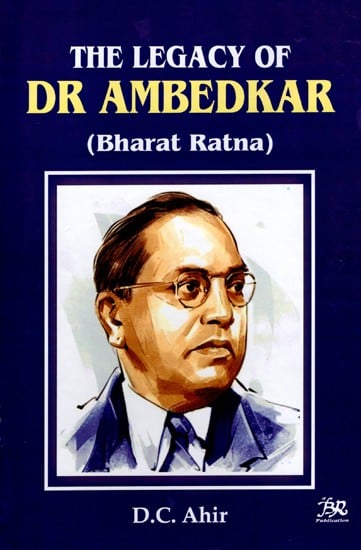
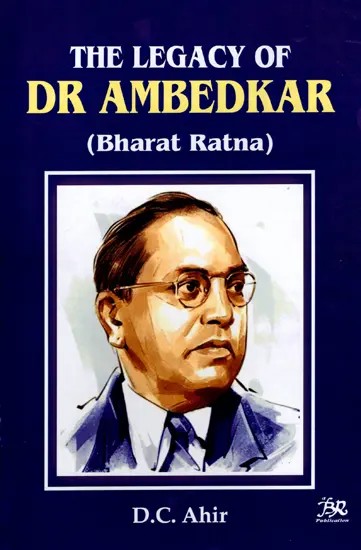
Dr. B.R. Ambedkar (1891-1956) was one of the greatest builders of modern India. He has been hailed as Savior of the Down-trodden, Chief Architect of Indian Constitution, and the greatest Pioneer of Buddhist revival in India. He was also an able administrator, a great parliamentarian, a great educationist, an economist, a statesman, saint and scholar. This pioneer work makes an over-all assessment of his multi-dimensional personality, his mission, his achievements, and the rich and varied legacy left behind by Dr. Ambedkar. The last chapter puts in a summary form what others say about his greatness. Sixty tributes selected for presentation here are from the tributes paid to Dr. Ambedkar by his colleagues, con- temporary leaders, legal luminaries, scholars and other eminent personalities during the period from 1942-1988.
This comprehensive and well-researched study is sure to serve as a handy reference book and a valuable guide to all readers and researchers interested in understanding Ambedkarism and its present status.
About the Author
D.C. Ahir born in Punjab in 1928 had known Dr. Ambedkar for more than a decade and had sat at his feet from time to time from 1946 onwards; his last meeting with that great personality being on 8 October 1956. The author is a reputed scholar of Buddhism and has to his credit over a dozen published works on Buddhism, and Dr. Ambedkar. He retired as Director to the Government of India in 1986, and is devoting his retired life in enriching literature.
Introduction
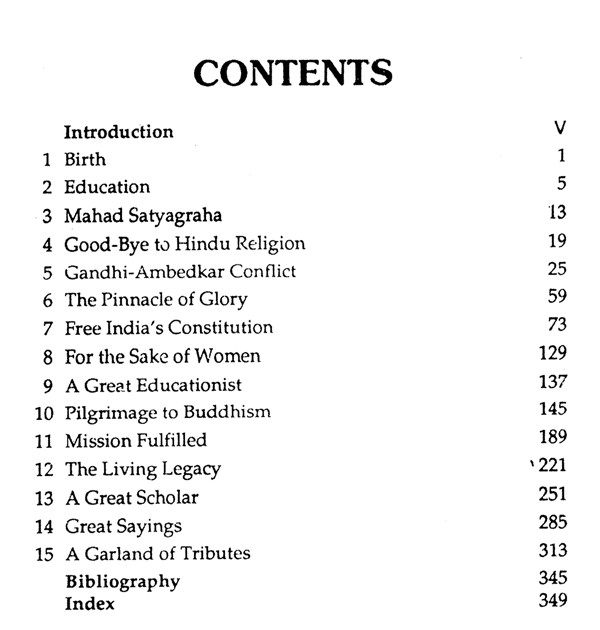
Dr. Bhimrao Ramji Ambedkar (1891-1956) was one of the greatest builders of modern India. He was Saviour of the down-trodden, Chief Architect of India's Constitution, and the greatest Pioneer of Buddhist revival in India. I have already studied different facets of his life in my books-Buddhism and Ambedkar (1968), Gandhi and Ambedkar (1969), Dr. Ambedkar and Indian Constitution (1972), and Dr. Ambedkar on Buddhism (1982). Unlike earlier books, this study is a comprehensive survey of Dr. Ambedkar's multi-dimensional personality, his mission, his achievements, and the rich and varied legacy left behind by him.
Dr. Ambedkar had come to fulfil a mission. His mission was to liberate and emancipate the Untouchables of India from the yoke of Hindu social slavery. In order to achieve this object, he fought relentessly the unjust society on all the fronts-social, religious, economic and political. tical. As a first step, he thought of reforming the Hindu religion. However, the two famous Satyagrahas of Mahad (1927) and Nasik (1930-35) opened his eyes to the stark reality that it was futile to attempt to reform the decadent Hinduism. Therefore, at a Conference at Yeola in October 1935 he announced his intention to renounce Hinduism; which he ultimately did in 1956.











 Upload an Image