
| Specifications |
 |
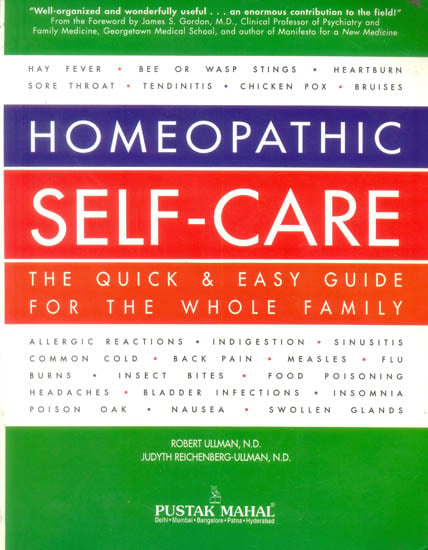
Publisher: PUSTAK MAHAL |
| Author: Robert Ullman | |
| Language: English | |
| Pages: 435 | |
| Cover: Paperback | |
 |
9.5 inch x 7.5 inch |
 |
Weight 740 gm |
| ISBN: 9788122301120 | |
 |
NAI217 |
| Delivery and Return Policies |
 |
Usually ships in 4 days |
 |
Returns and Exchanges accepted within 7 days |
 |
Free Delivery |


There is a powerful popular movement abroad in the land, a movement for a new, and more effective, less toxic, more humane, more people-centered kind of health care. One of its rallying cries is “homeopathy.” Homeopaths tell us that tiny doses of substances that in larger doses can produce symptoms can be used to alleviate those symptoms, that like cures like. Though this concept pervades the thinking and practice of most of the world’s great healing traditions, including our own Greek Hippocratic medicine, it is foreign to most of us. It is qualitative rather than quantitative. It seems “soft” to many, mystical, or, in the words of its critics, even bizarre.
Yet homeopathy works. There are now close to 150 controlled scientific studies on homeopathy, many of which document what Robert Ullman and Judyth Reichenberg- Ullman tell us in this book: homeopathic remedies are effective for common conditions such as asthma, arthritis, allergies.
We in the United States once believed that homeopathy worked. At the turn of the century between fifteen and twenty percent of all M.D.s were homeopaths. Then, intimidated by orthodox medical pressure, homeopathy faded from the American healthcare scene. Now, it is making a powerful comeback. And the reasons area simple. It often works. It’s inexpensive. Its principles are clear and its practice pleasing. And, it has very side effects.
In recent years, there have been a number of books about homeopathy. Some are scholarly and technical. Fortunately, many are popular in the best sense of the word. Homeopathy is a system of medicine that lends itself to self care. One can observe one’s own or a family member’s symptoms without technology and ask simple questions. Are there blisters on the skin, or led bumps? Is the nose running, or just the eyes? Does it hurt more on the right or the left? Is it worse when you get up or go to sleep? One can, based on the answers, prescribe and see the results.
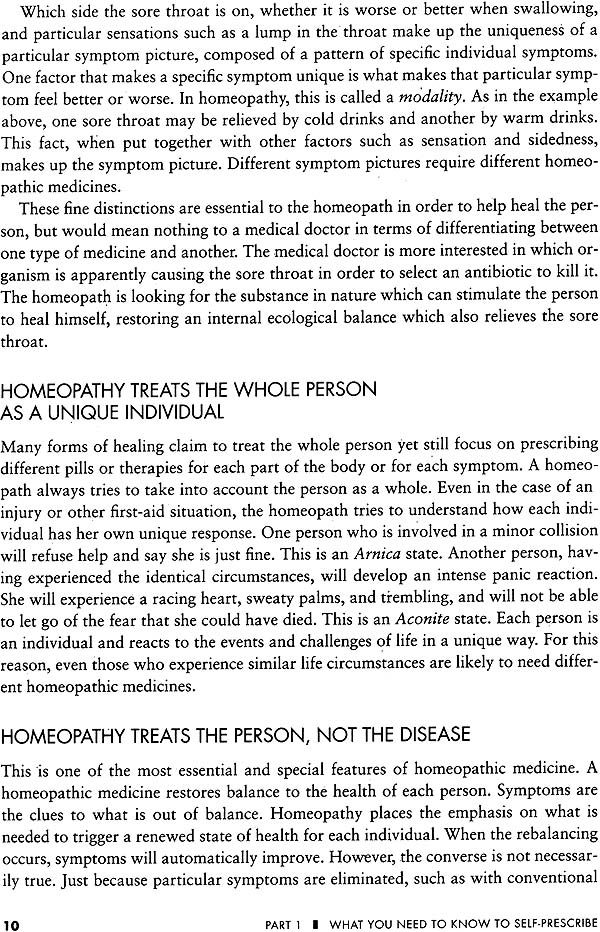
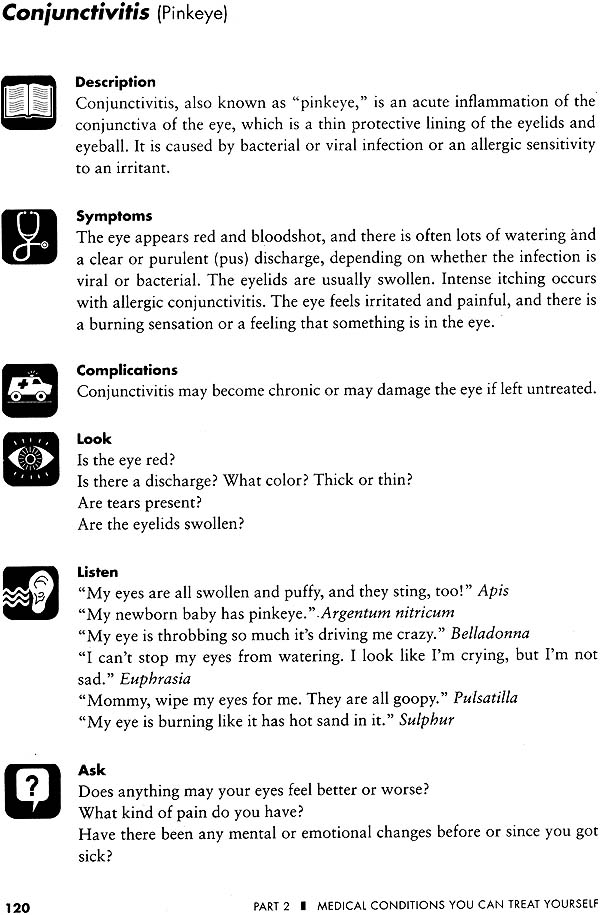
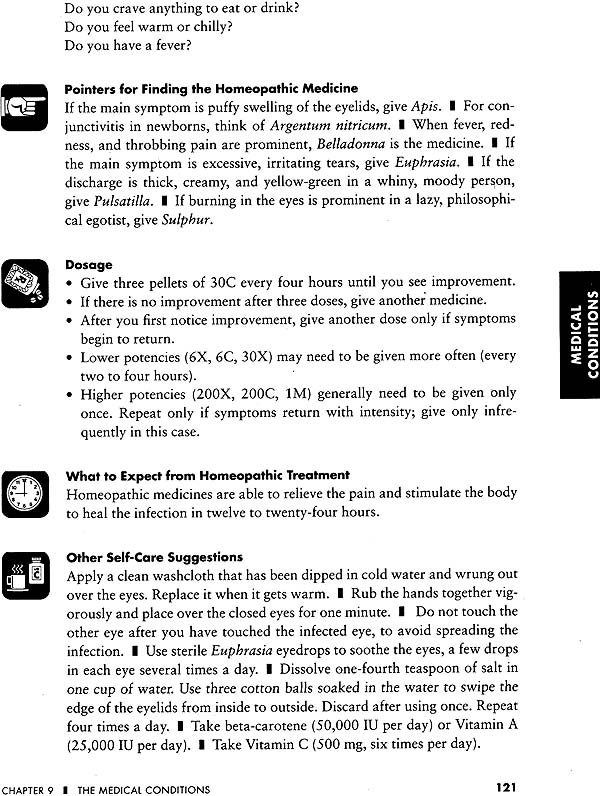
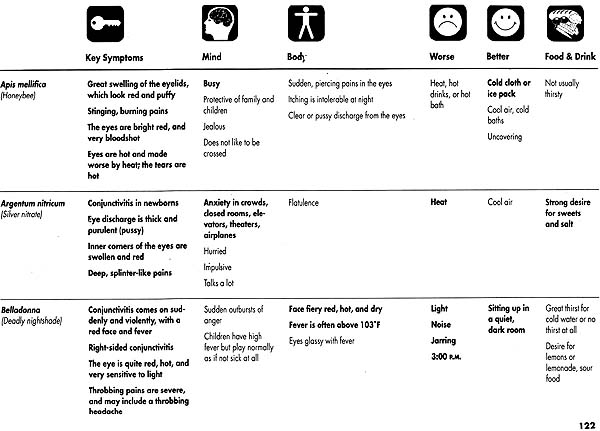
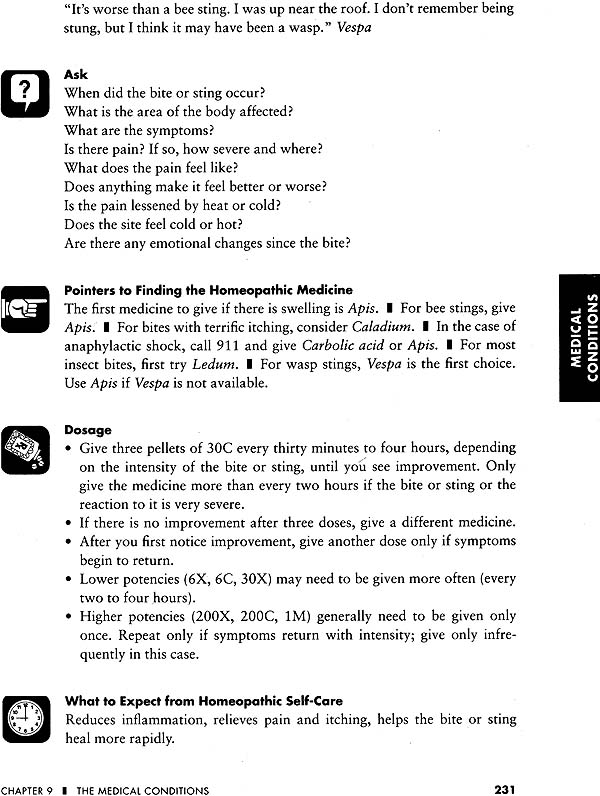
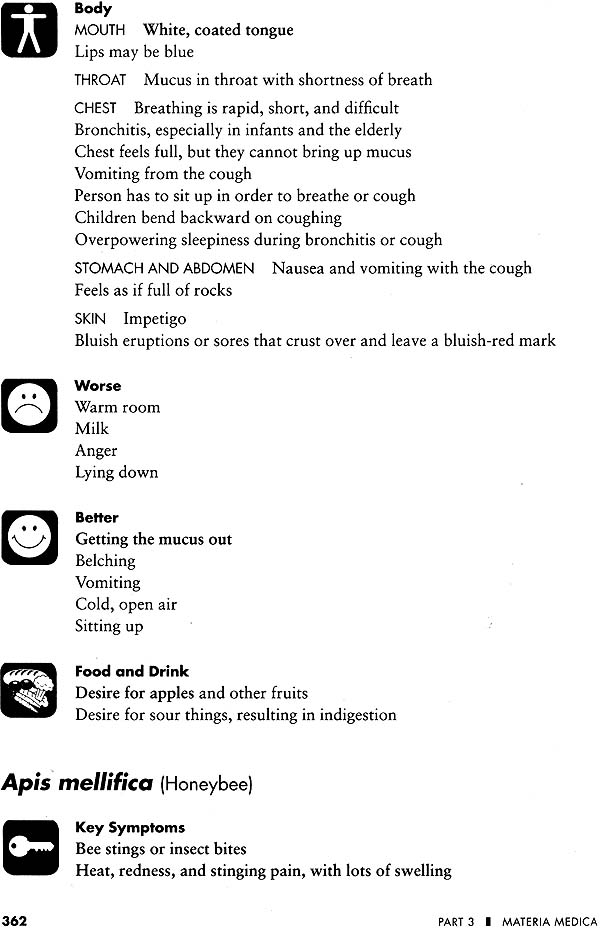
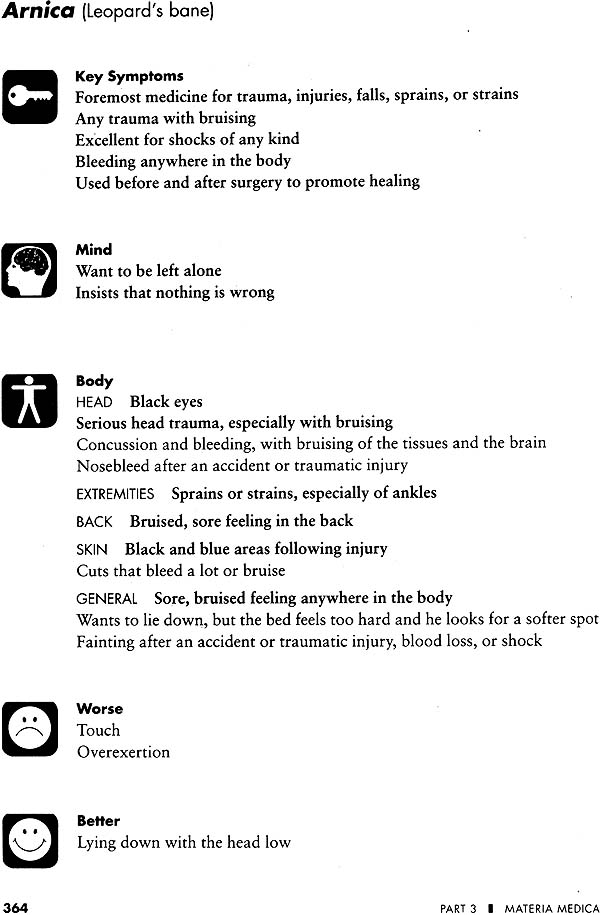
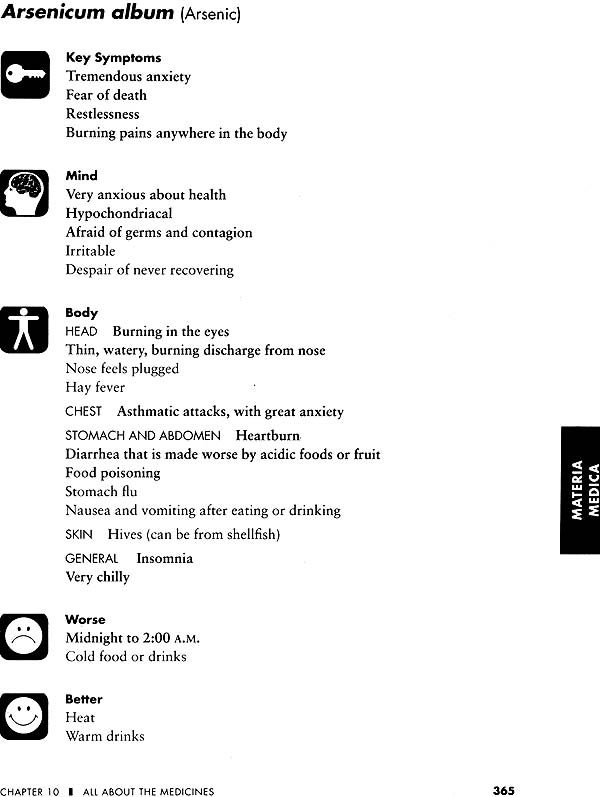
In this book Robert Ullman and Judyth Reichenberg Ullman, naturopathic-physicians, who previously focused on emotional problems, in particular, hyperactivity and attention deflect disorder; give us the guidance we need to successfully treat ourselves with homeopathic remedies. They give us succinct, easily remembered descriptions of commonly used remedies and list “key symptoms” that distinguish one condition from another. They give specific instructions for prescribing homeopathic remedies and how to decide when a remedy is working and what to do if it isn’t.
Homeopathic Self-Care is clear, kindly (as I read, I felt though the authors were at my side, gently helping me to see and think and prescribe), will organized and wonderfully useful. It is a powerful tool for those of us who want to enhance our own health and take back of our health care and an enormous contribution to the field. I will recommend this book to my patients.
James S. Gordon, M.D., Clinical Professor of Psychiatry and Family Medicine, Georgetown Medical School and author of Manifesto for a New Medicine: Your Guide to Healing Partnership and the Wise use of Alternative Therapies.
| Foreword | viii |
| Part I What You Need to Know to Self-Prescribe | |
| 1. As Easy as One, Two, Three: How to Make the Most of This Book | 3 |
| Jenny Needs Your Help | |
| Quick and Easy Homeopathy | |
| What You Will Find in This Book | |
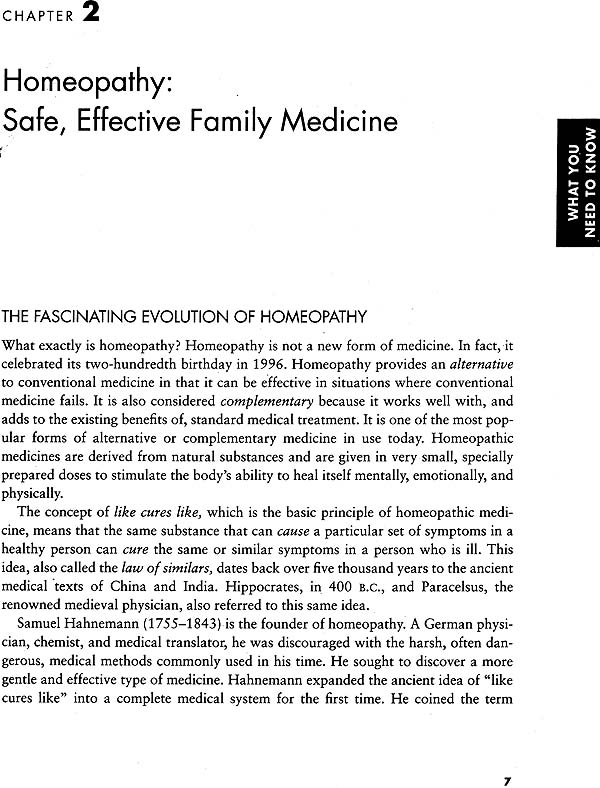
| 2. Homeopathy: Safe, Effective Family Medicine | 7 |
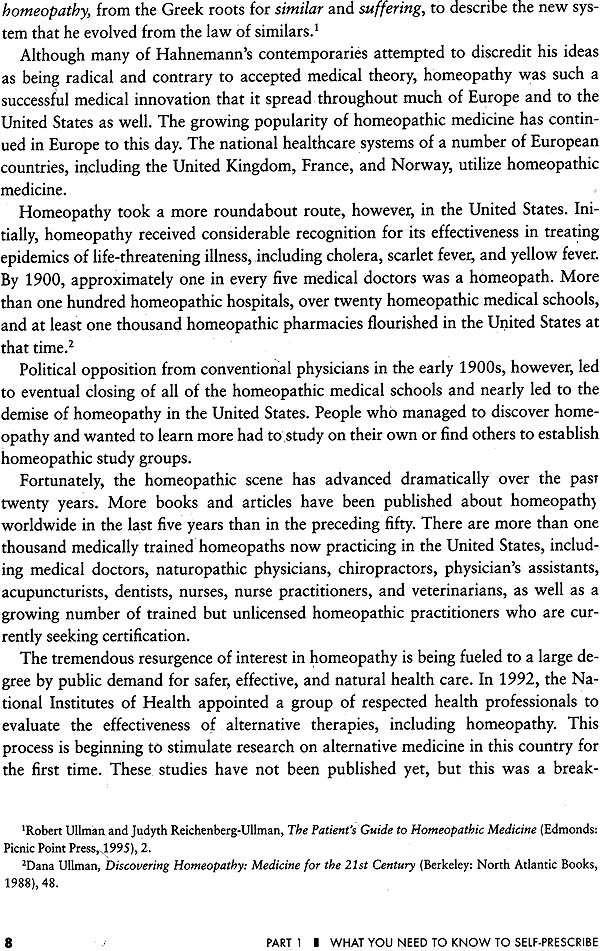
| The Fascinating Evolution of Homeopathy | |
| The Healing Power of the Vital Force | |
| Homeopathy Treats the Whole Person as a Unique Individual | |
| Homeopathy treats the Person, Not the Disease | |
| A Unique Match: One Medicine at a Time | |
| Clinical Success Stories | |
| A Growing Body of Homeopathic Research | |
| Why Choose Homeopathy over Conventional Medicine? | |
| Which Conditions You Can Treat Yourself and Which You Should Not | |
| The Success of Homeopathy in Treating Chronic Disease | |
| 3. The Homeopathic Medicine Chest | 20 |
| What Are the Sources of Homeopathic Medicines? | |
| What Makes a Medicine Homeopathic? | |
| How Does One Take a Homeopathic Medicine? | |
| Where Can One Find Homeopathic Medicine? | |
| Topical Preparations | |
| Storing and Handling homeopathic Medicines | |
| 4. Your Homeopathic Self-care Medicine Kit | 24 |
| Don't Leave Home Without It! | |
| What to include in Your Kit | |
| 5. Taking the Homeopathic Case | 26 |
| Practice Makes Perfect | |
| Using the Medical Conditions Chapter and the look, | |
| Listen, and Ask Sections | |
| The State of the Person | |
| A Model Casetaking | |
| Putting It Down on Paper | |
| Keeping a Permanent Homeopathic Self-Treatment Record | |
| 6. Analyzing the Case and Selecting the Medicine | 35 |
| Analyzing the Case | |
| Choosing the Best Medicine | |
| 7. Administering the Homeopathic Medicine | 38 |
| What to Except from a Homepathic Medicine | |
| Repetition of the Dose | |
| Changing the Medicine | |
| Antidoting Factors | |
| 8. Practice Cases for Homeopathic Self-Care | 45 |
| 9. The Medical Conditions | 53 |
| 10. All About the Medicines | 359 |
| Answers to the Practice Cases | 412 |
| Glossary | 413 |
| Bibliography | 416 |
| Index | 418 |




Send as free online greeting card